




Haircuts for Balding Men: Best Styles for Every Stage of Hair Loss
Discover 60 stylish haircuts for balding men in 2025 that enhance confidence and make you look younger with modern, textured styles.
 Story by:
Editorial Dept.
Story by:
Editorial Dept.
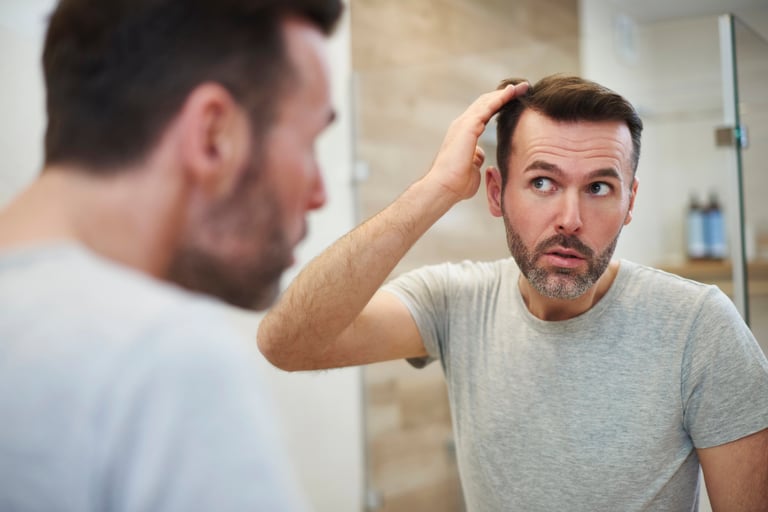
Hair loss doesn’t have to mean the end of your style game. The best haircuts for balding men in 2025 highlight texture, strategic cuts, and confidence-building approaches that can actually make you look years younger than flimsy attempts to hide what’s actually happening up top. From Jason Statham’s iconic buzz cut to The Rock’s power-dome confidence, today’s most stylish men are proving that less hair can mean more style, more sophistication, and definitely more sex appeal.
The secret isn’t fighting your hairline, but rather working with it. Modern barbering techniques, innovative styling products, and a shift toward embracing natural textures have created unprecedented options for men experiencing hair loss. Whether you’re dealing with a receding hairline, crown thinning, or overall hair loss, the right haircuts for balding men can enhance your best features while creating the illusion of fuller, thicker hair. Expert stylists now recommend shorter lengths, textured cuts, and confidence-first approaches that make men look younger, sharper, and more successful than ever before.
The landscape has completely changed from the obvious comb-overs and hair pieces of previous decades. Today’s solutions focus on authenticity, modern grooming standards, and cuts that work with your face shape and lifestyle. With the right approach, hair loss becomes just another canvas for expressing your personal style and commanding presence.
The psychology of confidence and hair
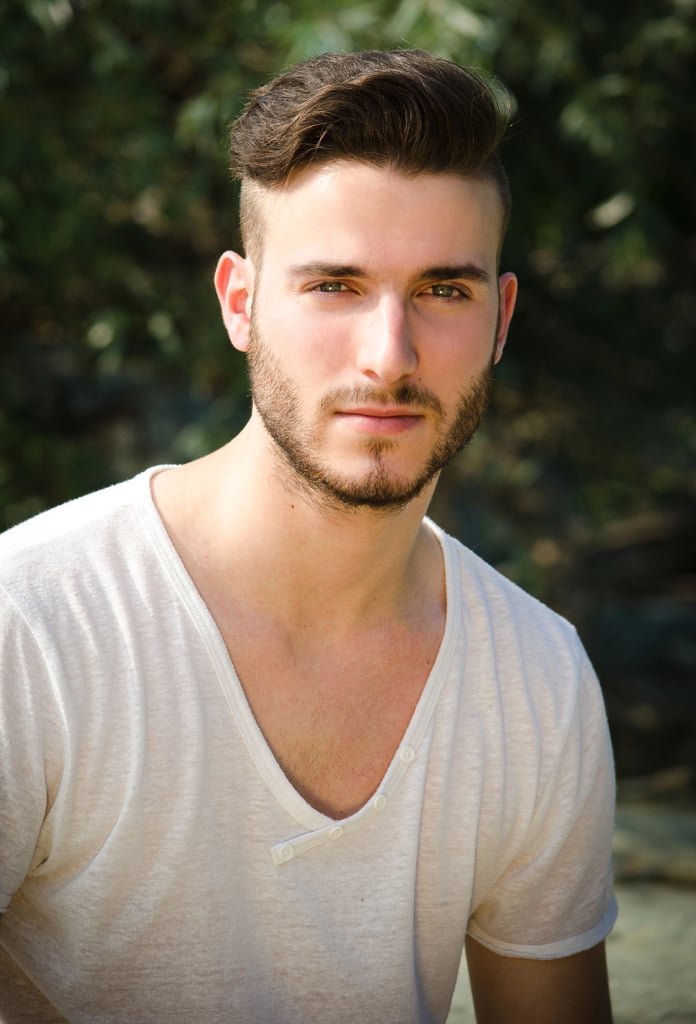
Your relationship with your reflection matters more than follicle count. Men who prioritize their hair loss early and choose strategic styles consistently rate higher in confidence, professional success, and dating appeal according to recent grooming surveys. The difference isn’t in the amount of hair, it’s in the intentionality of the style choice.
Celebrity examples prove this point repeatedly. Bruce Willis built an action-hero empire after embracing baldness. Jason Statham’s career took off when he stopped fighting his receding hairline and leaned into ultra-short hair. The Rock famously tweeted that his natural hair texture was “a cross between an afro and hair from a Llama’s ball sac,” then turned his bald head into a billion-dollar brand. These men didn’t succeed despite their hair loss; they succeeded because they owned it completely.
The psychological shift from hiding to showcasing changes everything. Professional barbers report that men who come in asking to “work with what I have” leave looking sharper, feeling better, and booking regular appointments. Those who arrive demanding impossible coverage often remain unsatisfied regardless of the technical skill involved. The mindset switch from concealment to enhancement is the foundation of great style for balding men.
Power isn’t in your hairline, it’s in how you carry yourself. Explore these alpha male quotes to build a stronger mindset.
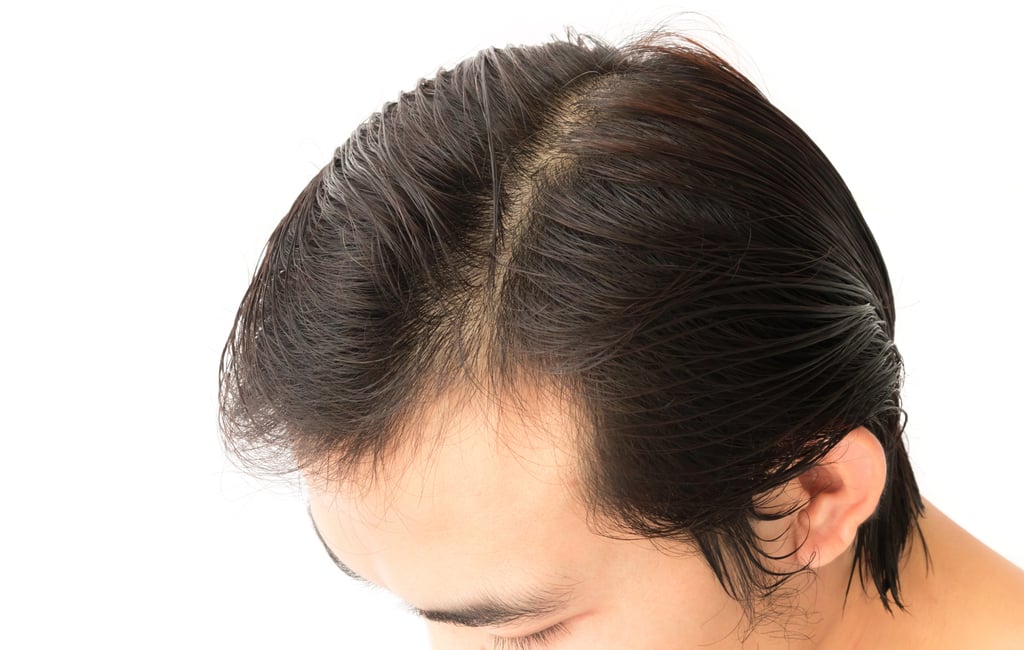
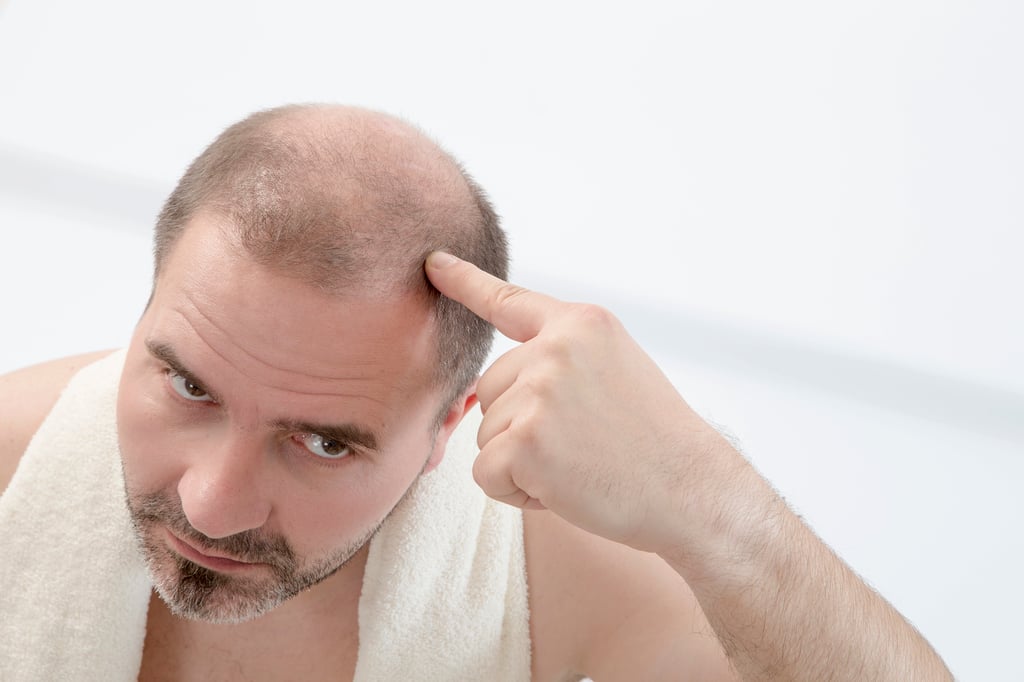
Understanding your hair loss pattern
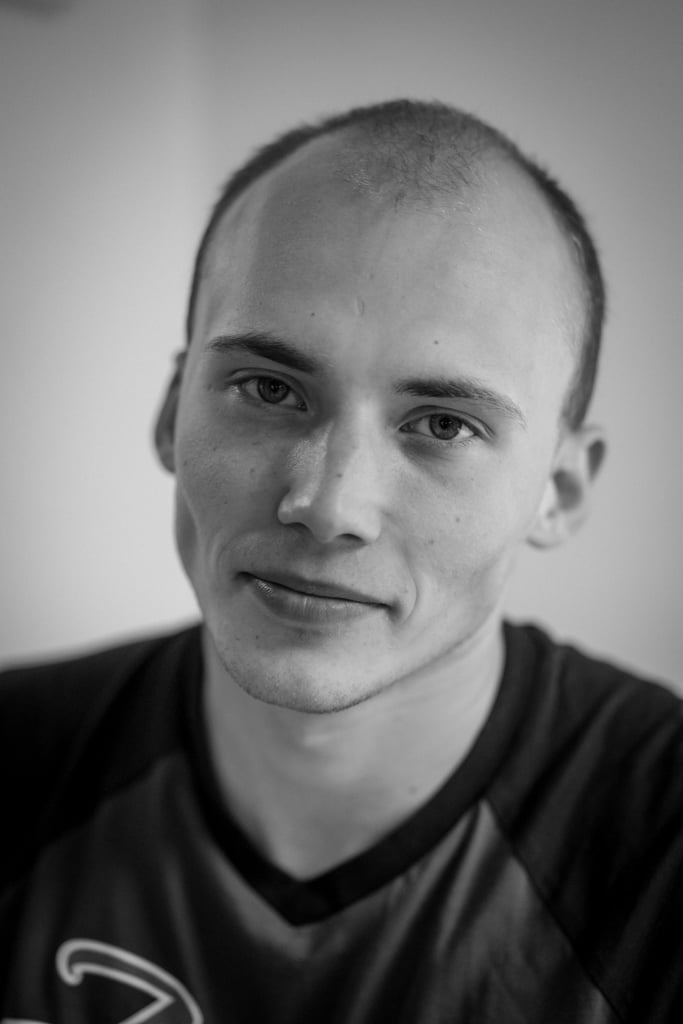
Different patterns of hair loss require completely different strategic approaches. Getting your pattern right determines which of these 60 haircuts for balding men will look natural, professional, and age-defying on you. Most men fall into one of four categories, each with specific advantages and limitations.
Receding hairline
Receding hairline creates the classic M-shaped pattern starting at the temples. This pattern actually offers some of the most versatile styling options since you typically retain good density in other areas. Temple recession responds excellently to Caesar cuts, textured crops, and strategic side-swept styles that redirect attention while providing natural-looking coverage. The key is working with the new hairline rather than fighting it.
Crown thinning
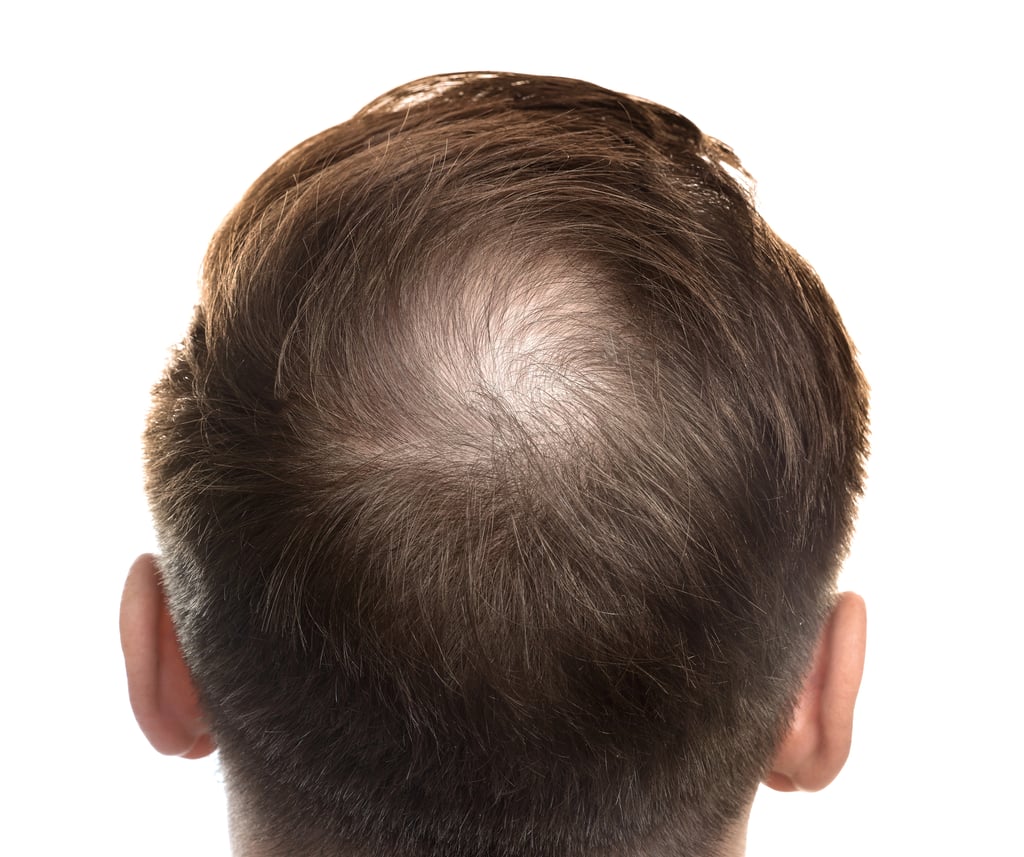
Crown thinning presents as a circular balding area at the back of the head, often called the “monk spot.” This pattern benefits from cuts that add height and forward direction to remaining hair. Crew cuts, forward-brushed textures, and slicked-back styles work exceptionally well because you can use your frontal hair density to create coverage and visual balance. Many men don’t even realize they have crown thinning until it’s advanced because it’s not immediately visible in mirrors.
Overall thinning
Overall thinning affects hair density across the entire scalp without creating dramatic bald spots. This diffuse pattern actually responds best to very short cuts that create uniform appearance. Buzz cuts, tight crops, and clean-shaven approaches eliminate the thin-versus-thick contrast that makes thinning so obvious in longer styles. The goal becomes creating intentional, uniform coverage rather than maximizing what’s left.
Advanced male pattern baldness
Advanced male pattern baldness combines receding temples with crown loss, eventually creating a horseshoe pattern of remaining hair. For this pattern, the most successful approaches are clean-shaven heads, tight buzz cuts, or strategic shaving that creates complete uniformity. Fighting advanced balding with comb-overs or strategic styling usually backfires because the contrast between thick sides and thin top becomes impossible to disguise.
But what about the hairstyles that can mask your thinning hair? Read on to explore them.
Ultra-short powerhouse styles
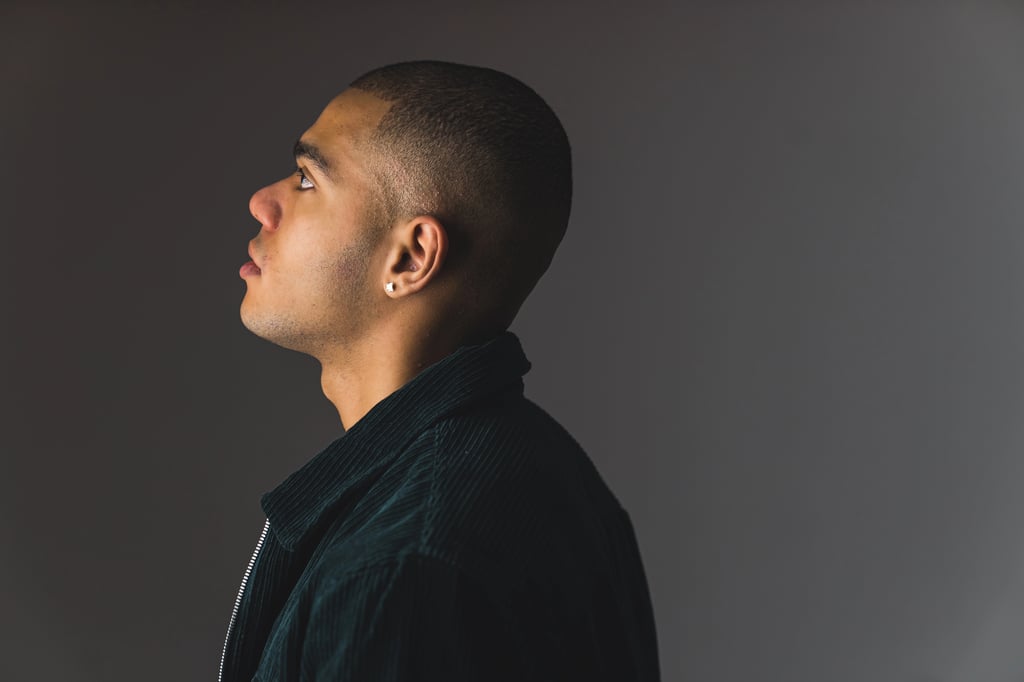
These cuts highlight the “less is more” philosophy that’s dominating men’s grooming in 2025. Ultra-short styles create the illusion of thicker hair because there’s no length variation to reveal density differences. They’re also incredibly low-maintenance, professionally appropriate, and work with virtually any face shape or lifestyle.
Modern Buzz Cut
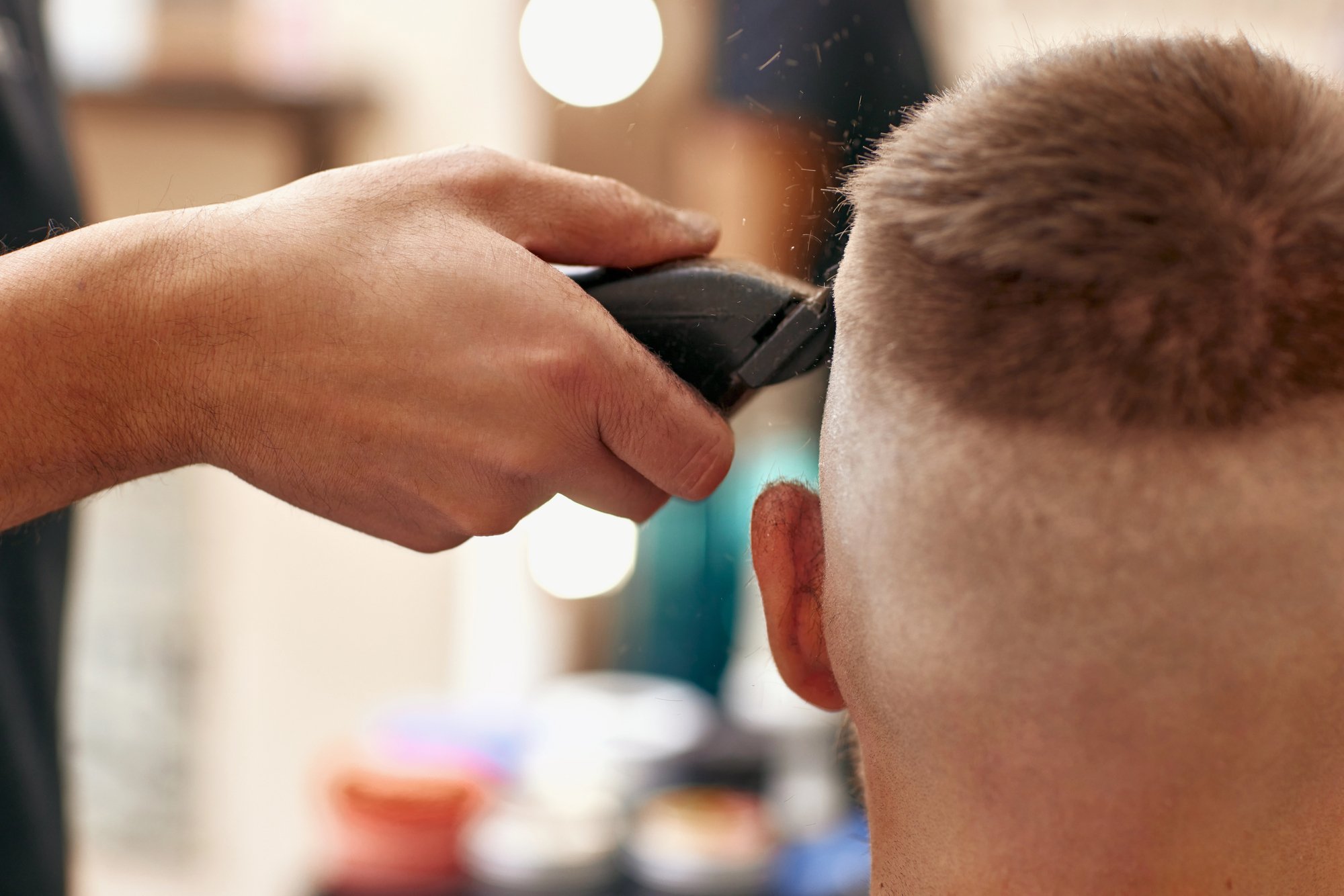
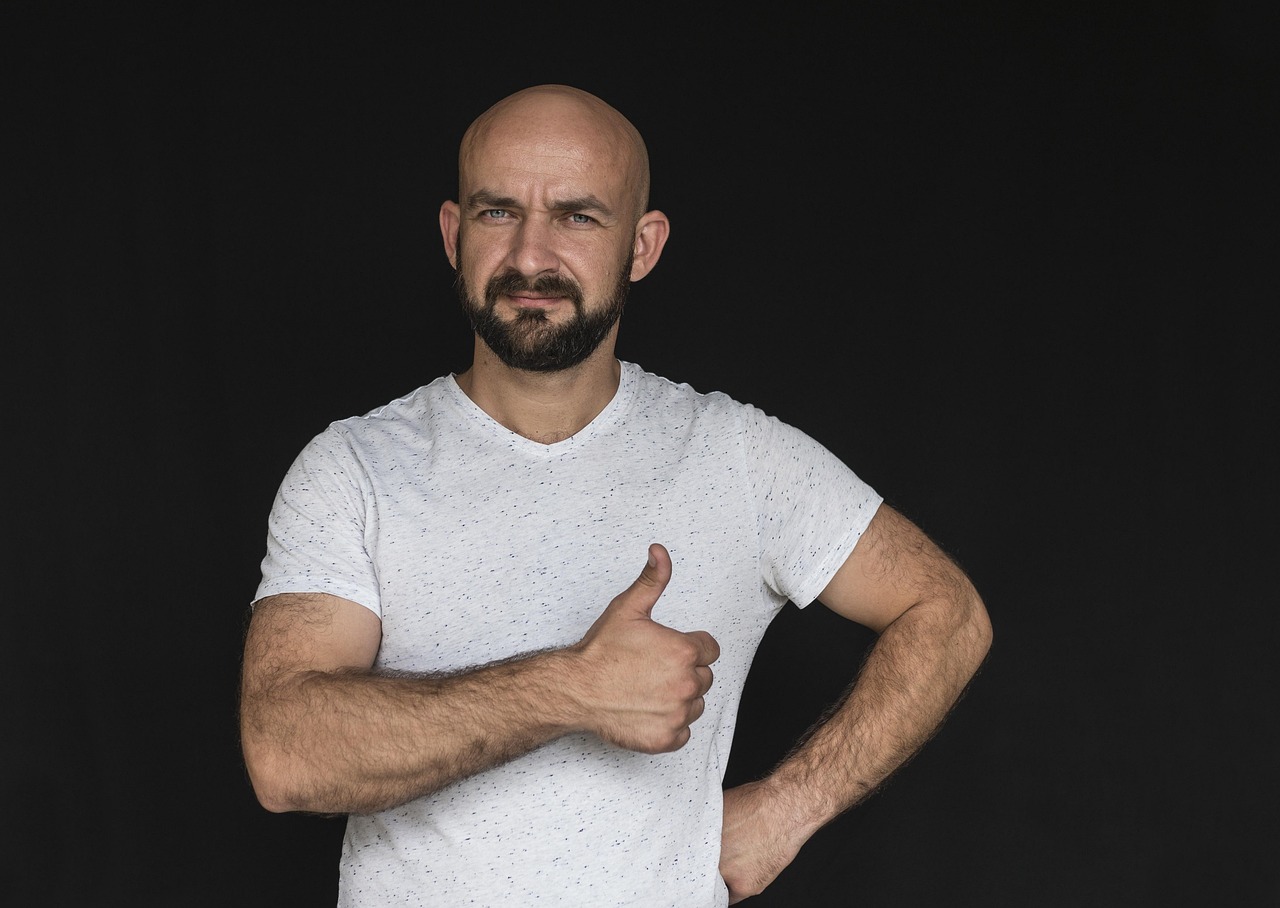
The Modern Buzz Cut remains the gold standard for men with any pattern of hair loss. Using a #3 or #4 guard creates enough length to maintain some texture while ensuring uniformity across your entire head. Jason Statham built his entire action-hero brand on this cut, and it works because it suggests intentional style choice rather than hair loss accommodation. The modern version incorporates subtle fades at the temples and neckline for a more refined finish than traditional military cuts. Maintenance requires trimming every 2-3 weeks (perhaps with a Wahl® Hair Clipper) and takes literally zero daily styling time.
High and Tight Military Cut
The High and Tight Military Cut takes the buzz cut concept and adds strategic contrast. The sides and back are buzzed very short (#1 or #2 guard) while the top maintains slightly more length (#3 or #4). This cut works exceptionally well for crown thinning because the longer top section provides coverage while the tight sides create clean, masculine lines. It’s the go-to choice for professionals who need to look sharp every day with minimal effort. The geometric precision suggests discipline and attention to detail.
Completely Shaved Head
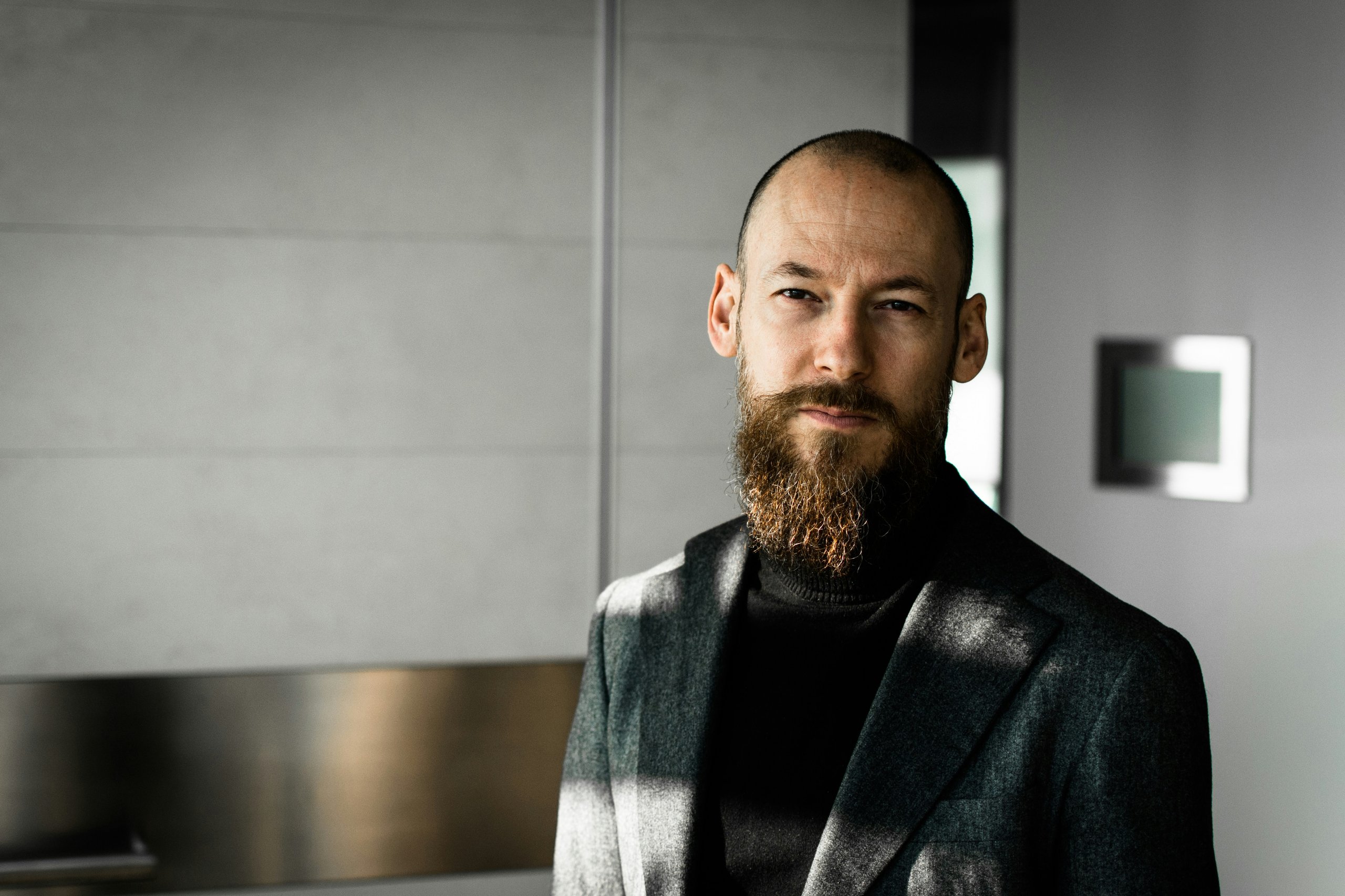
Completely Shaved Head represents the most confident choice for men with advanced hair loss. This isn’t “giving up,” it’s making a power move that puts you in control of your appearance. A properly maintained shaved head requires daily or every-other-day shaving, quality razors, and excellent scalp care including sunscreen and moisturizer. The results speak for themselves: think Dwayne Johnson’s commanding presence or Vin Diesel’s tough-guy sophistication. The clean-shaven approach works best with strong facial features and pairs excellently with any type of facial hair.
Stubble Cut with Coordinated Facial Hair
Stubble Cut with Coordinated Facial Hair creates a unified grooming approach where your hair and beard work together as a complete styling system. Keep head hair at stubble length (#1 guard) and maintain beard stubble at the same length for visual continuity. This rugged, masculine approach suggests intentional style rather than hair loss response. It’s perfect for men who want to maintain some hair texture while embracing a more mature, sophisticated appearance.
Power Fade
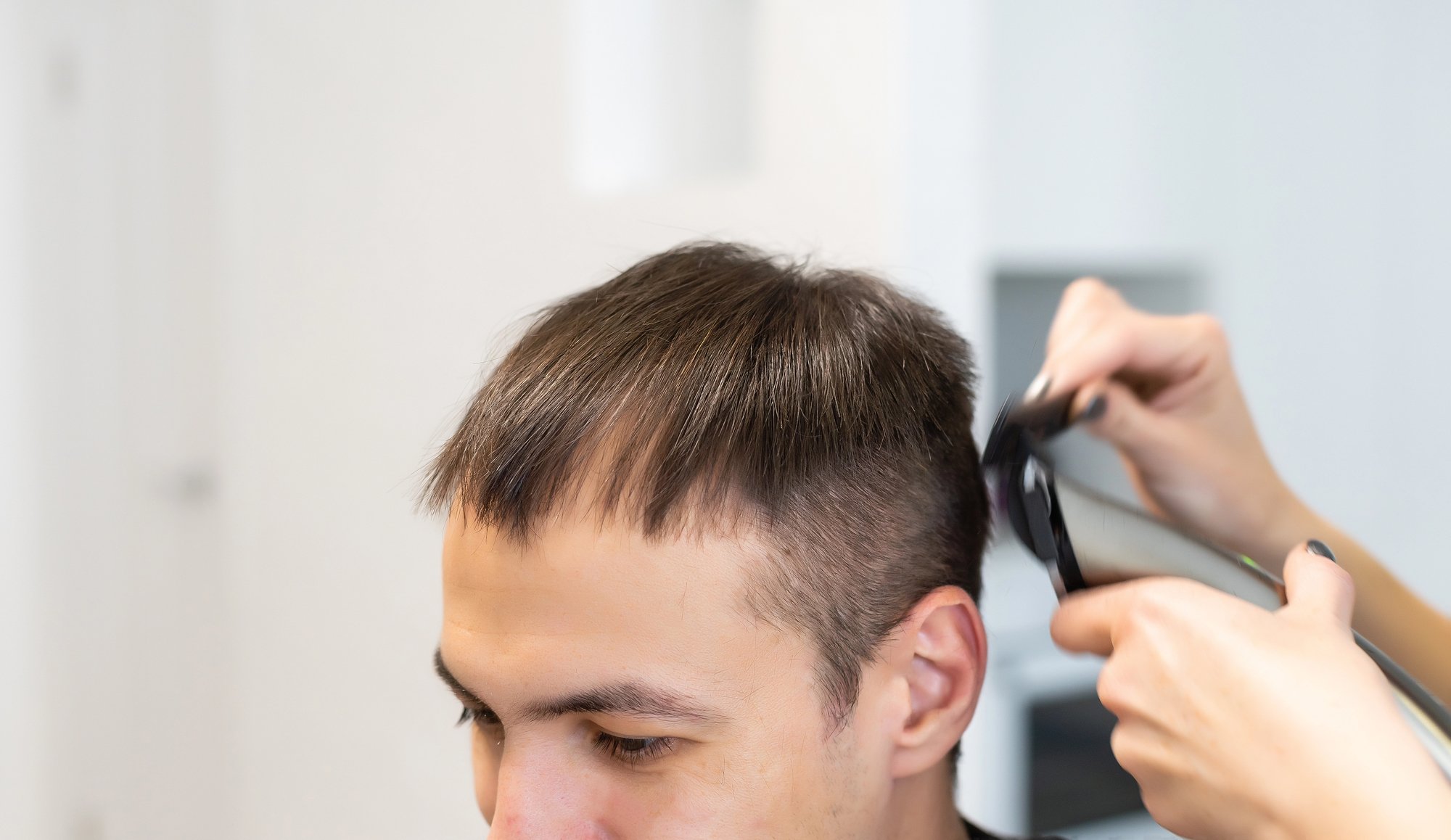
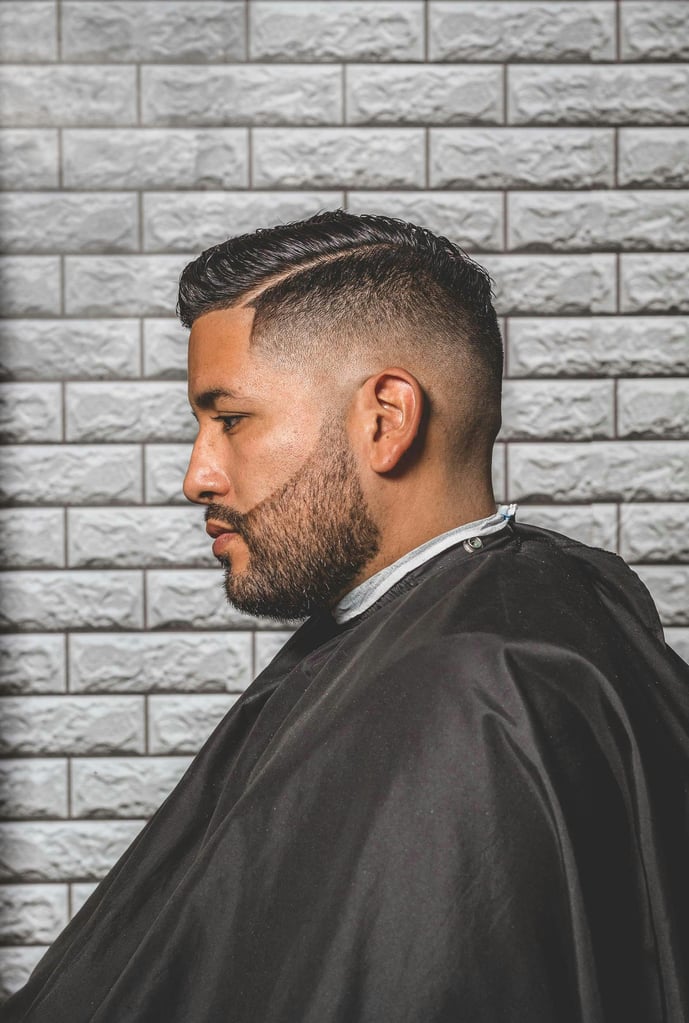
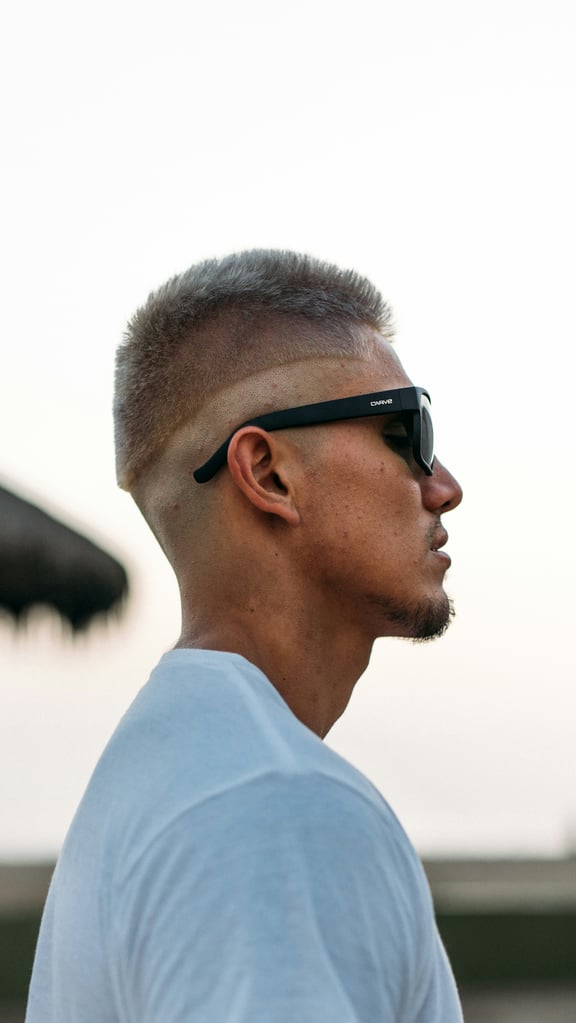
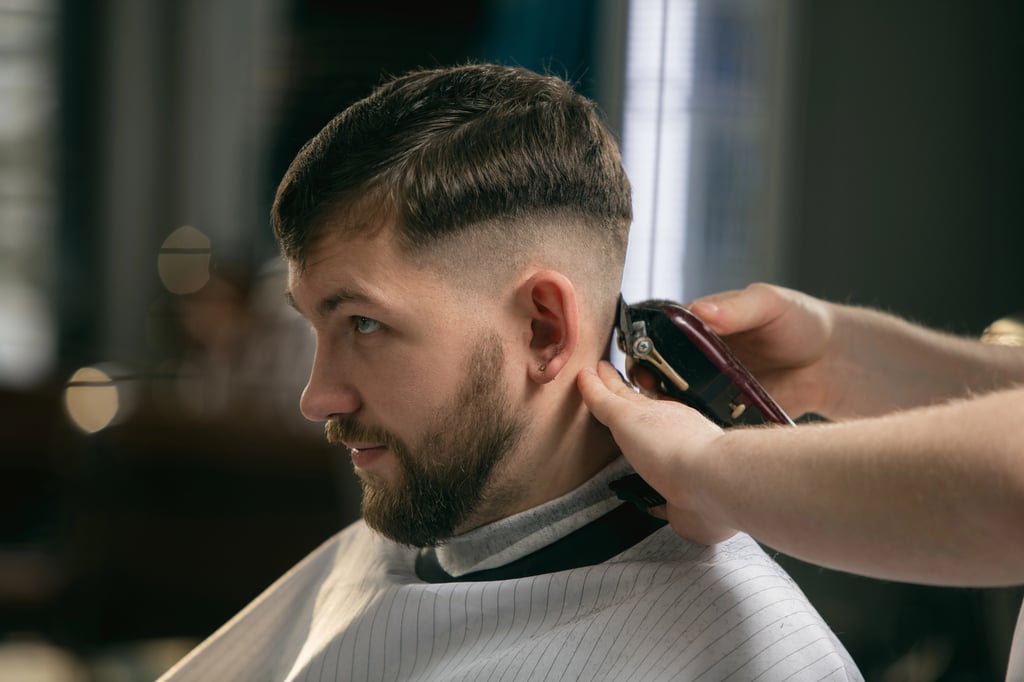
The Power Fade incorporates professional barbering techniques into ultra-short cuts. The fade starts high at the temples and blends seamlessly into slightly longer hair on top. This technical precision creates visual interest and suggests expensive, intentional grooming. Choose from low fades (starting just above the ears), mid fades (starting at temple level), or high fades (starting well above the temples) based on your face shape and personal preference.
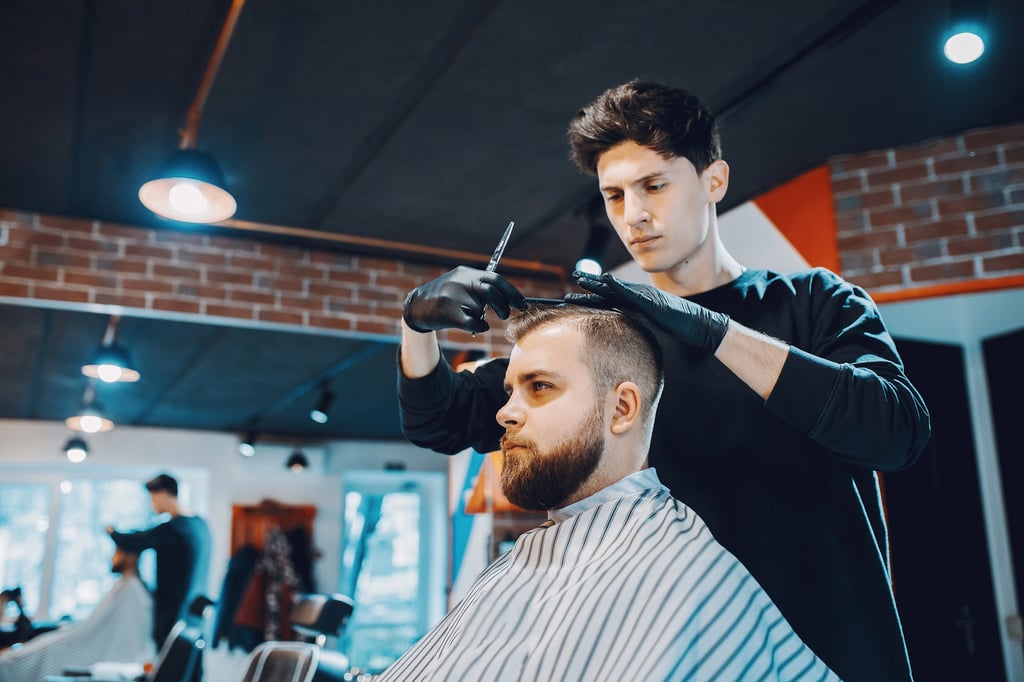
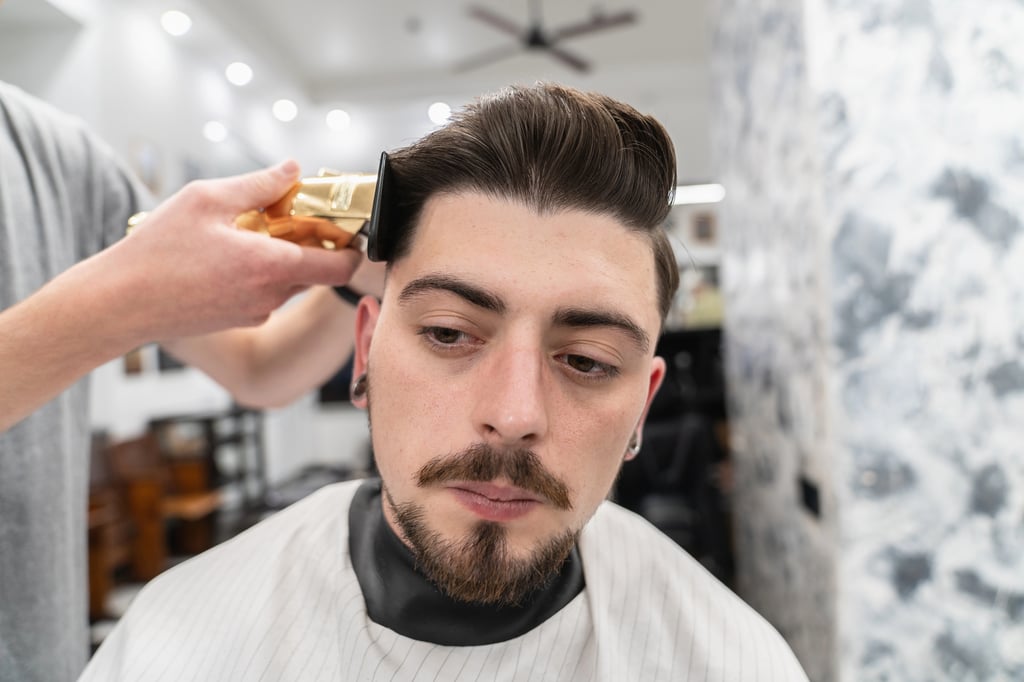
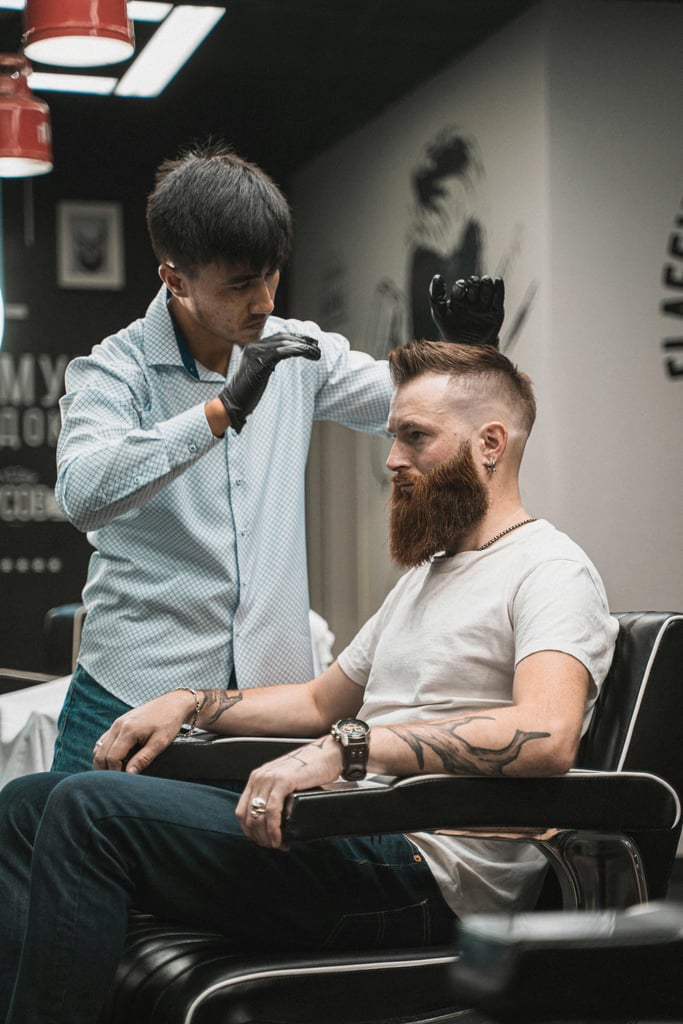
Short textured game-changers
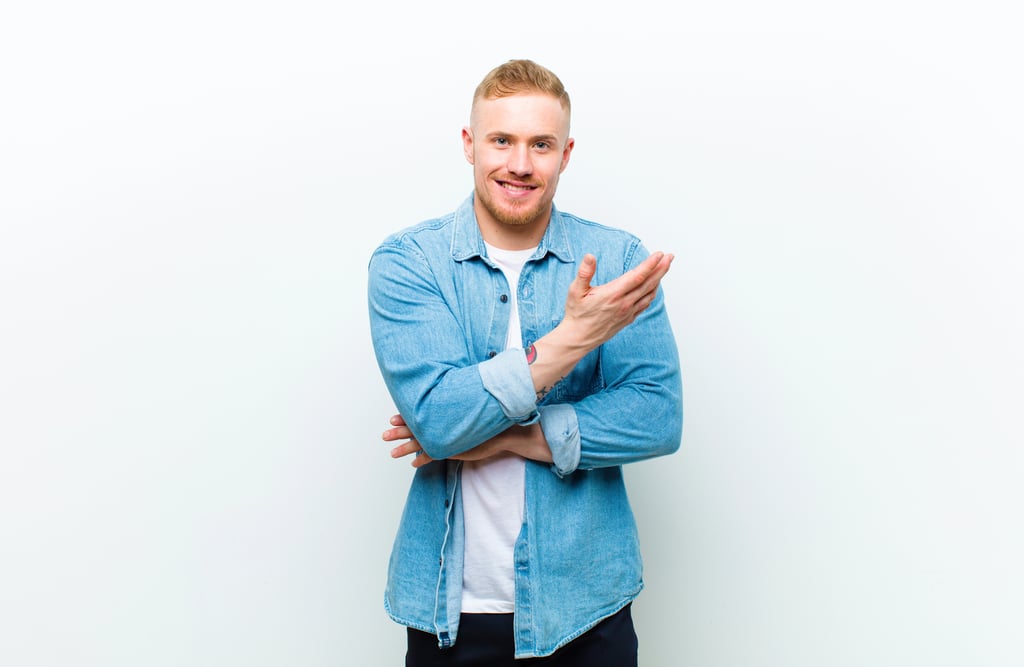
These styles prove that short doesn’t mean boring. Textured cuts use strategic layering, modern products, and cutting-edge techniques to create apparent fullness and movement even with limited hair density. They’re perfect for men who want more styling versatility than ultra-short options provide.
Textured Crop
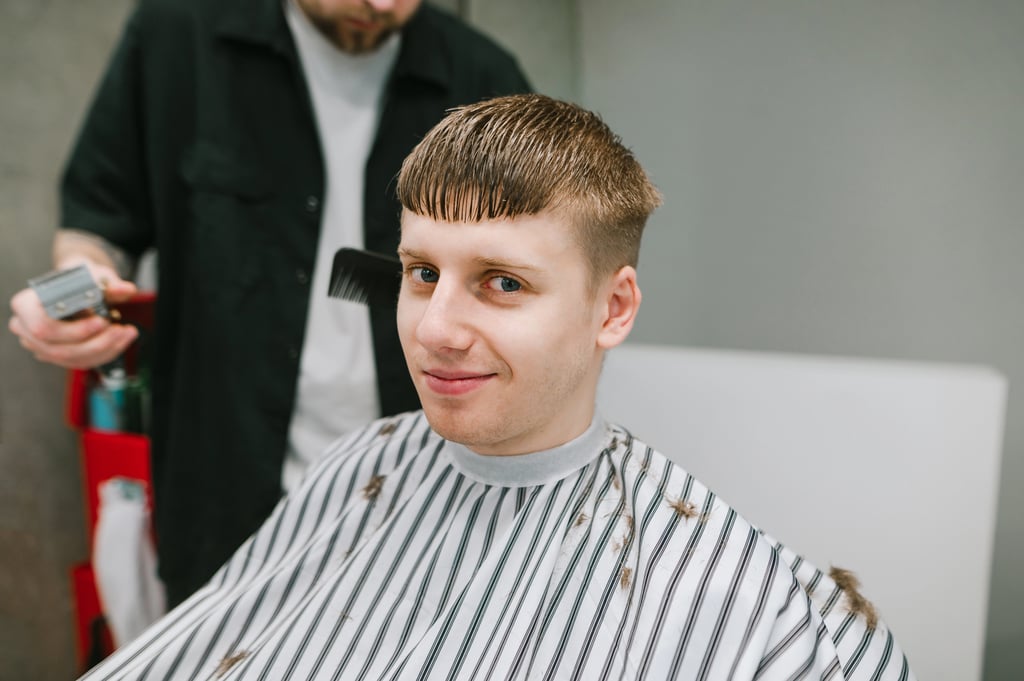
Textured Crop dominates 2025 trend reports as the most requested cut for men with hair loss. Choppy, uneven layers on top create visual density while tapered sides maintain clean, professional lines. The key is the intentional messiness – hair that looks too perfect actually draws attention to thin spots, while strategic texture disguises density variations. Style with sea salt spray or texture paste for a natural, effortless finish that adds years of youthful appeal.
Caesar Cut 2025
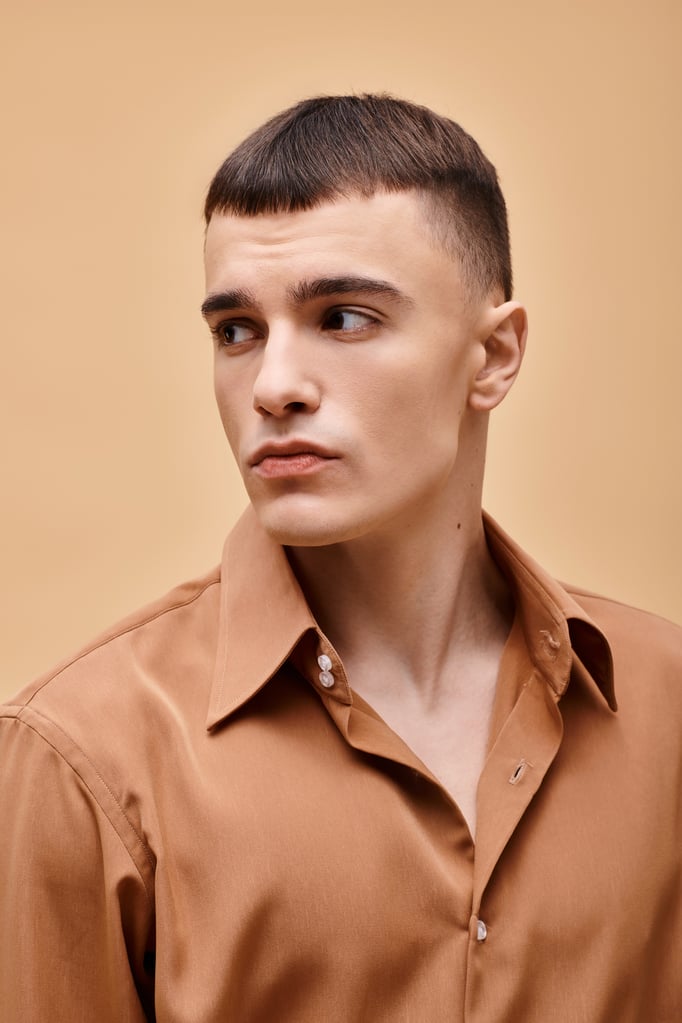
Caesar Cut 2025 updates the classical Roman style with modern barbering techniques. The signature forward-swept fringe conceals frontal balding while current interpretations add subtle fades and texture work. Unlike the blunt cuts of previous decades, today’s Caesar incorporates choppy, piece-y textures that look natural and contemporary. It’s particularly effective for men with receding hairlines because the forward direction creates coverage while the structured cut maintains professional appeal.
French Crop
French Crop offers European sophistication with practical American functionality. Short sides blend into textured top hair that’s styled forward and slightly to one side. The cut works by redirecting attention from temple recession toward the styled top section. Modern versions incorporate subtle disconnects between the top and sides for added visual interest. This cut consistently makes the “most requested” lists at high-end barbershops because it flatters most face shapes while requiring minimal daily maintenance.
Choppy Textured Cut
Choppy Textured Cut features intentional imperfection to create apparent fullness. Uneven lengths throughout the top section make individual thin spots less noticeable while creating movement and visual interest. The technique involves point-cutting and razor work to create irregular edges that catch light differently. Style with texture powder or matte paste, working product through with fingers rather than combs for maximum natural appeal.
Spiky Textured Style
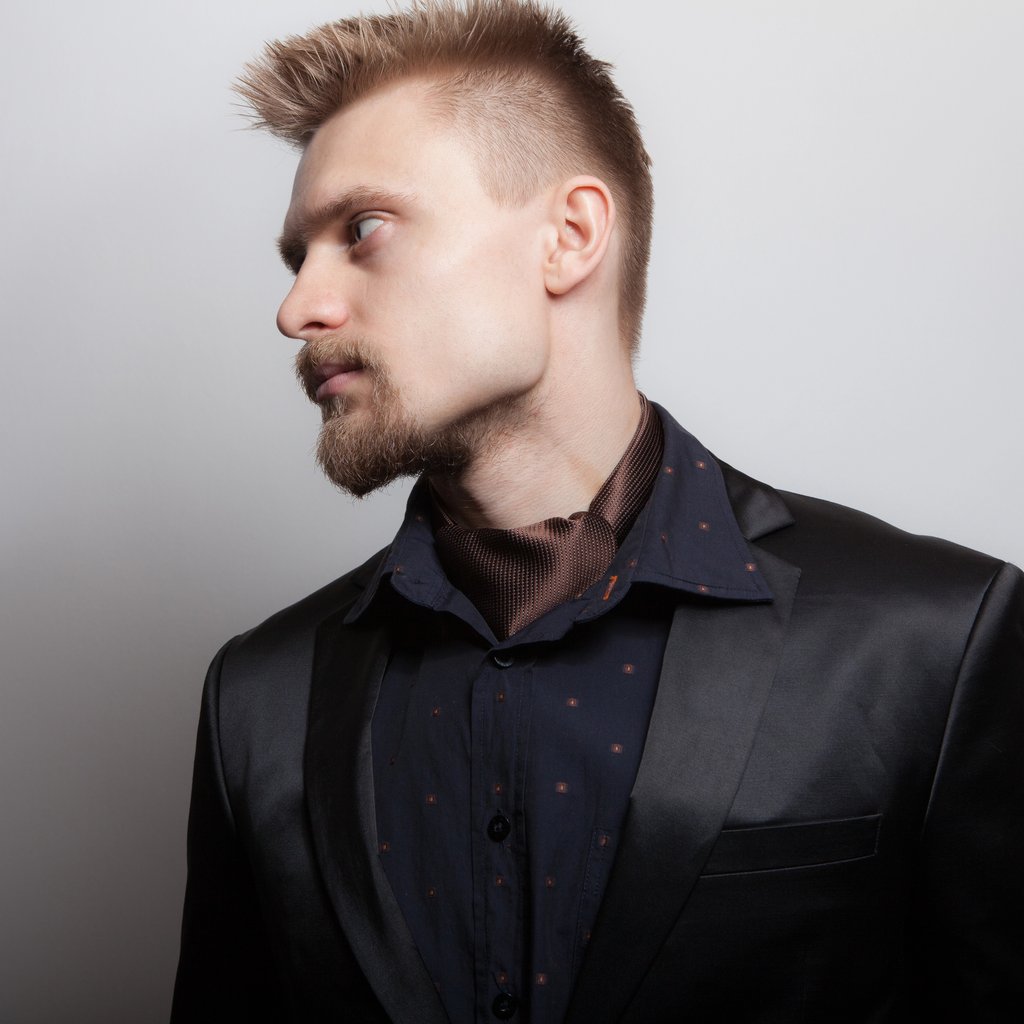
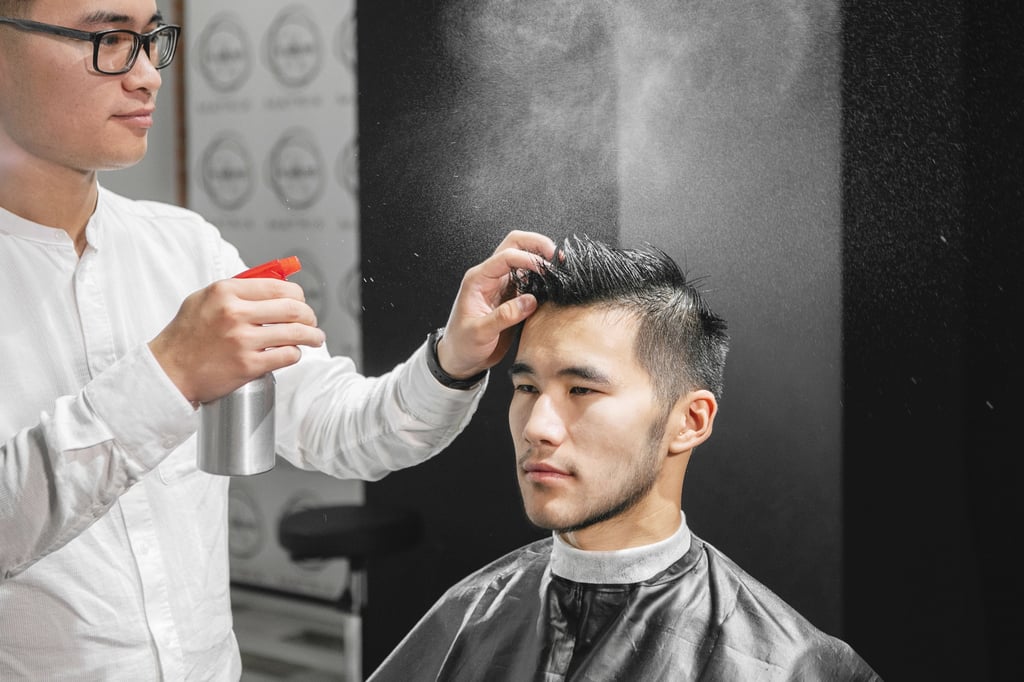
Spiky Textured Style brings back structured texture with modern sophistication. Hair is cut short but left long enough to create upward direction and strategic spikes. This technique works particularly well for crown coverage because the upward styling creates height and apparent density. Use strong-hold gel or paste to create separation between hair sections, which actually makes thin areas less visible than slicked-down styles.
Asymmetrical Crop
Asymmetrical Crop provides creative coverage through strategic imbalance. One side is cut shorter than the other, creating visual interest while allowing longer sections to cover specific balding areas. This artistic approach works best for men in creative professions who can feature non-traditional styling. The asymmetry draws attention to the intentional design rather than any hair loss patterns.
Mini Pompadour
Mini Pompadour scales down the classic rockabilly style for modern wear and thinning hair. Requires reasonable frontal density but creates dramatic height and vintage appeal when executed properly. The sides are faded or undercut while the front is styled upward and back with pomade. This style adds significant height to your overall silhouette, making you appear taller and more commanding. Modern versions use matte rather than shiny products for contemporary appeal.
Textured Undercut
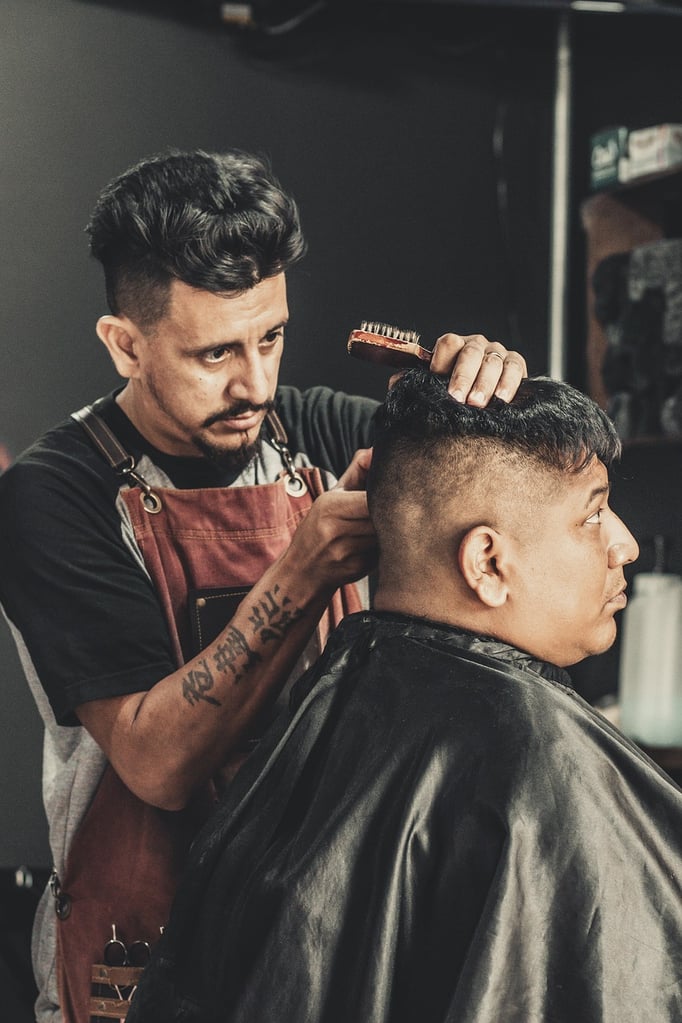
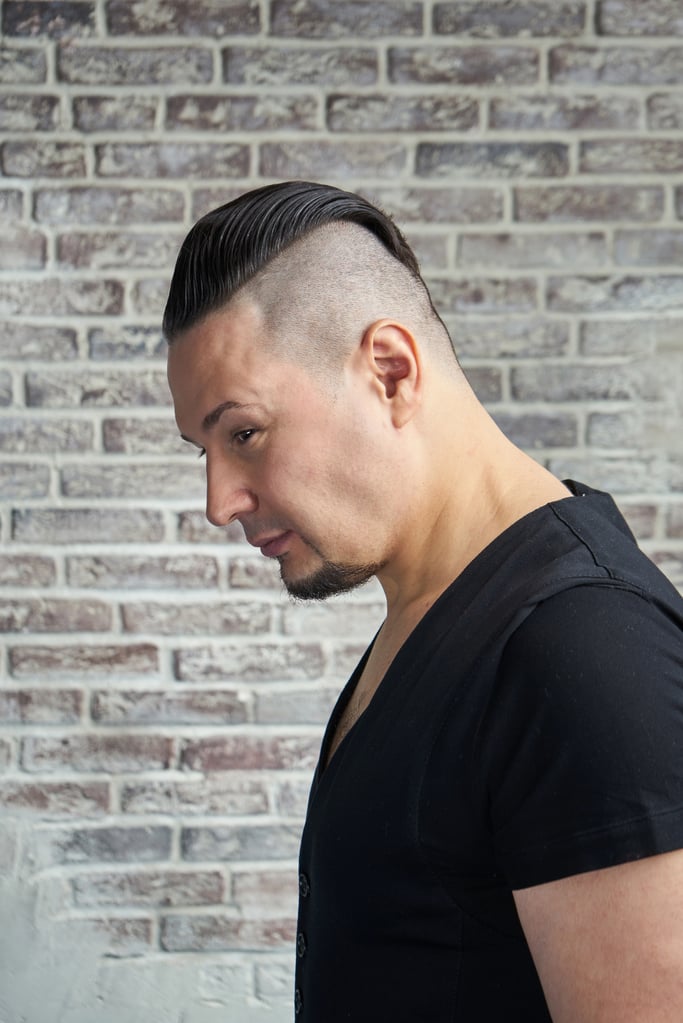
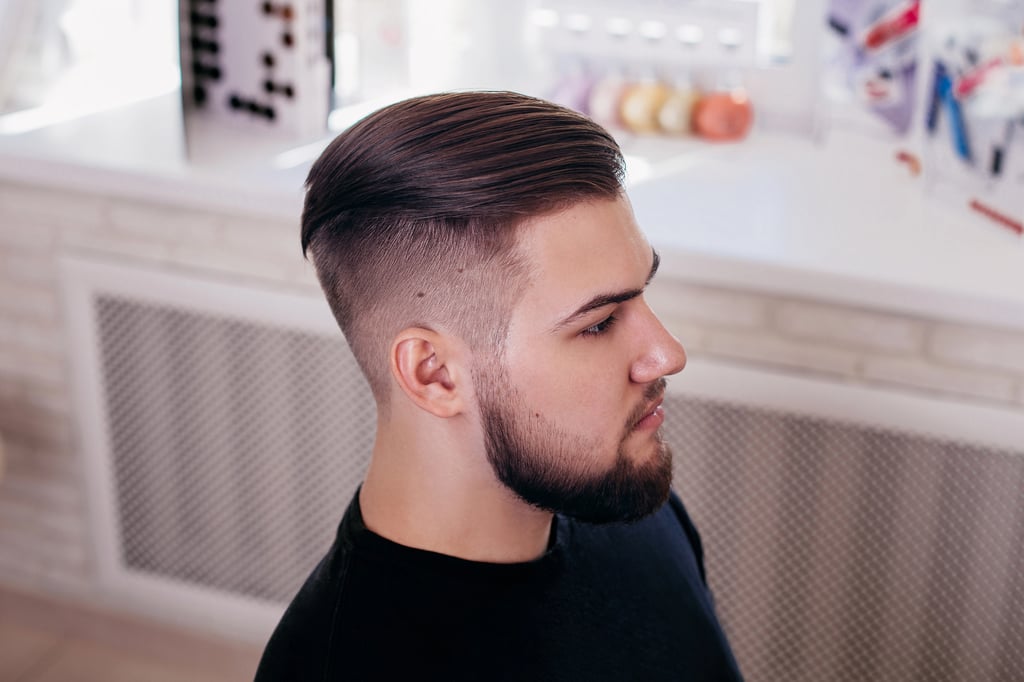
Textured Undercut creates maximum contrast between long textured top and very short sides. This cut works when you have good density on top but want to minimize side hair that might emphasize balding patterns. The undercut can be subtle (blended) or dramatic (disconnected) depending on your professional requirements and personal style. The textured top section allows for multiple styling options from messy and casual to sleek and professional.
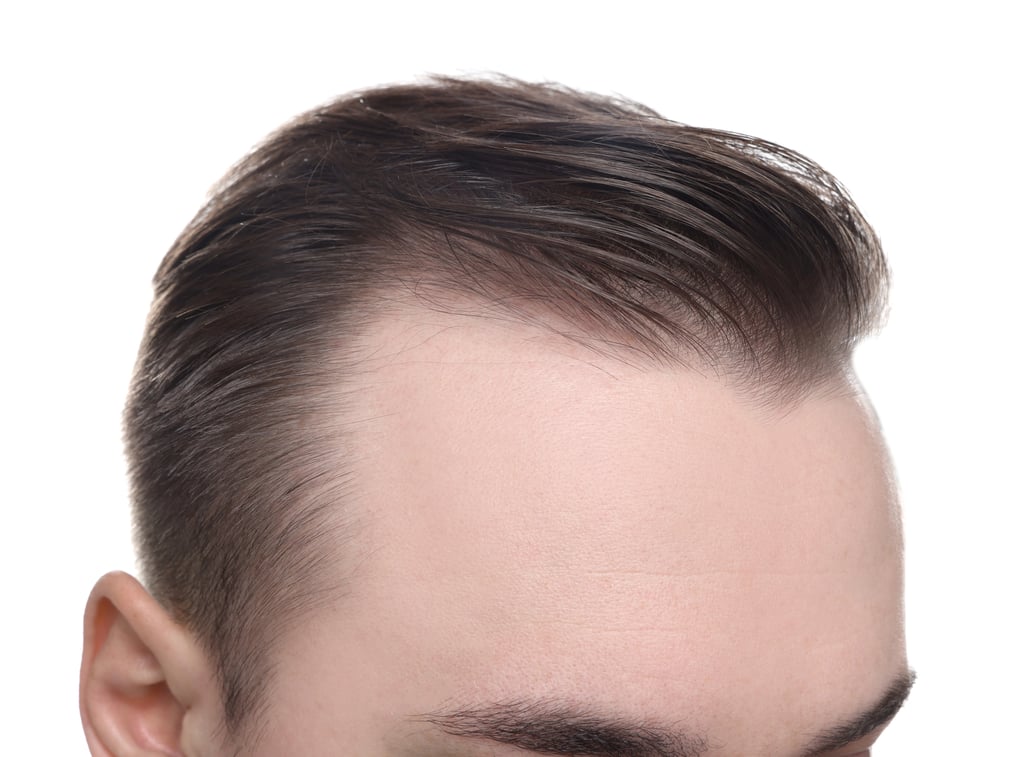
Strategic coverage specialists
These cuts use advanced barbering techniques and strategic styling to maximize coverage and minimize the appearance of hair loss. They’re designed for men who have workable hair density in some areas and want to optimize their existing hair rather than employ ultra-short options.
Modern Comb Over
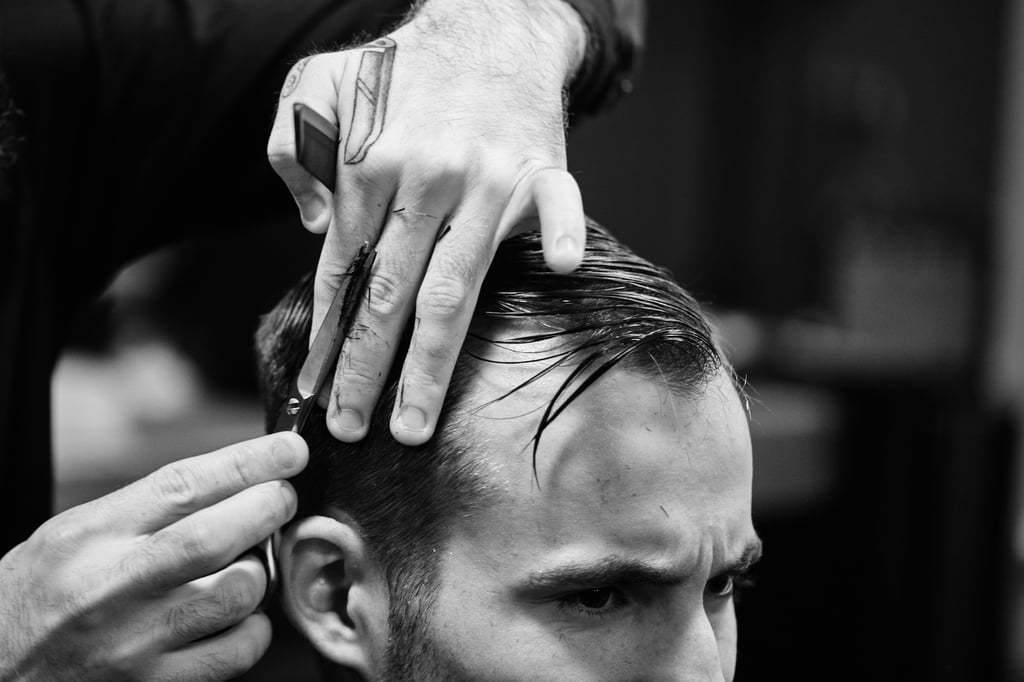
Modern Comb Over revolutionizes the traditional approach with contemporary techniques and natural styling. The key difference is subtlety, as modern comb overs look like intentional side-swept styles rather than obvious coverage attempts. Hair is cut shorter overall, the part is less dramatic, and styling uses matte products for natural rather than slicked appearance. When executed properly by a skilled barber, this cut is completely undetectable as a coverage technique.
Deep Side Part
Deep Side Part creates dramatic styling that naturally conceals temple recession. The part starts well to one side of the head, allowing longer hair to sweep across and cover thinning areas. Modern versions incorporate texture work so the swept hair doesn’t look flat or obviously placed. Use medium-hold pomade for flexible styling that maintains the sweep without appearing artificial. This classic technique works in professional environments and ages gracefully.
Slicked Back Style
Slicked Back Style works when you have sufficient hair density to support the styling direction. Hair is combed straight back with high-shine pomade or gel, creating sophisticated 1940s Hollywood appeal. The technique works for crown balding by using frontal hair to create backward coverage. Choose matte pomades for contemporary appeal or traditional high-shine products for vintage sophistication. This style pairs excellently with professional attire and formal occasions.
Side-Swept Texture
Side-Swept Texture provides natural-looking coverage through casual styling direction. Hair is cut to allow natural fall to one side while incorporating enough texture to avoid flat, obvious placement. The swept direction conceals temple recession while the textured cut prevents the style from looking too structured or artificial. This approach works excellently for men who want coverage without obvious styling effort. Use light-hold products that allow natural movement.
Forward Brush Style
Forward Brush Style maximizes crown coverage by directing all available hair toward the front of the head. This technique works best for men with crown thinning but good frontal and temple density. Hair is cut and styled to flow forward, creating coverage over the crown while maintaining natural appearance. The key is keeping overall length short enough that the forward direction looks intentional rather than compensatory.
Diagonal Sweep
Diagonal Sweep creates coverage through creative directional styling. Hair is swept at a diagonal angle across the head, providing partial coverage while creating visual interest. This modern technique works when traditional forward or side-swept approaches don’t provide adequate coverage. The diagonal direction suggests contemporary styling choice rather than hair loss accommodation.

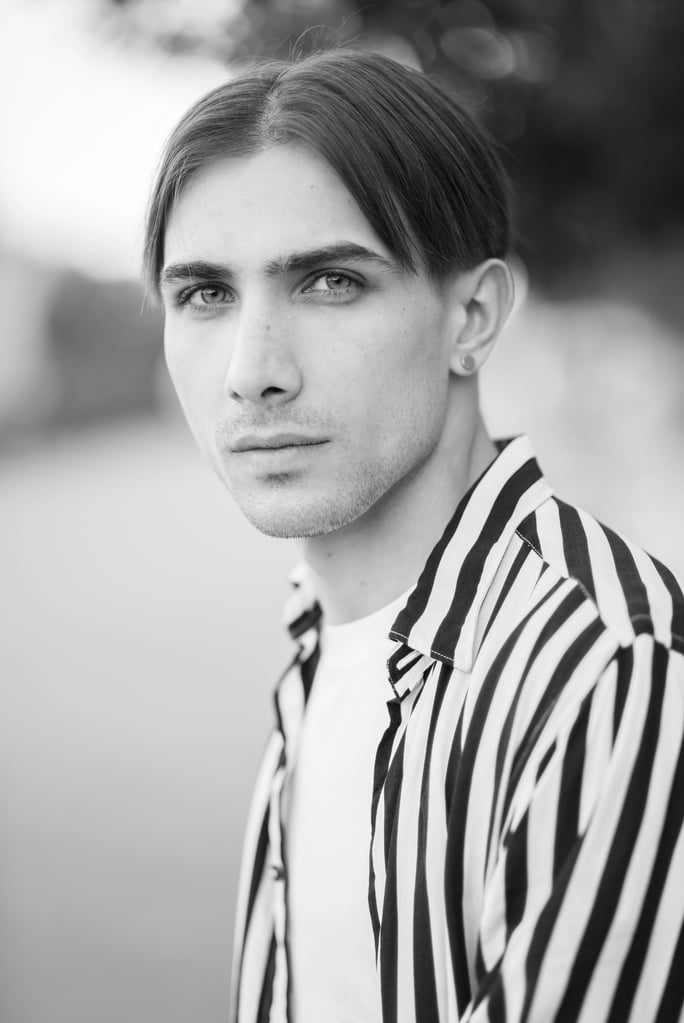
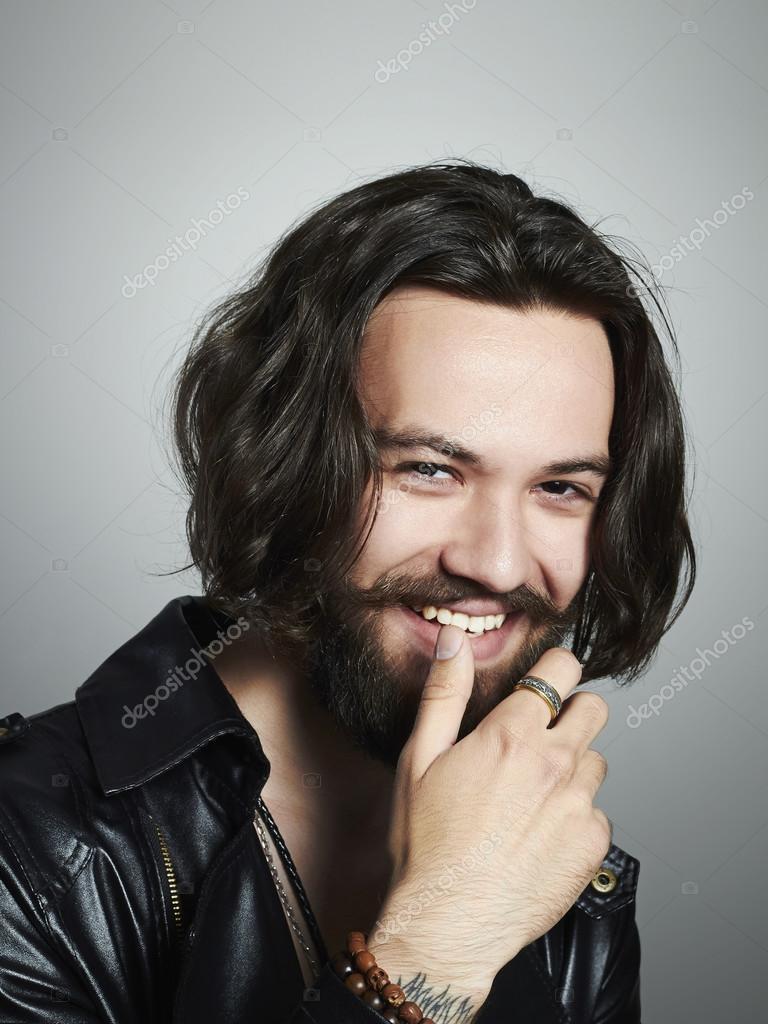
Medium-Length Sophistication
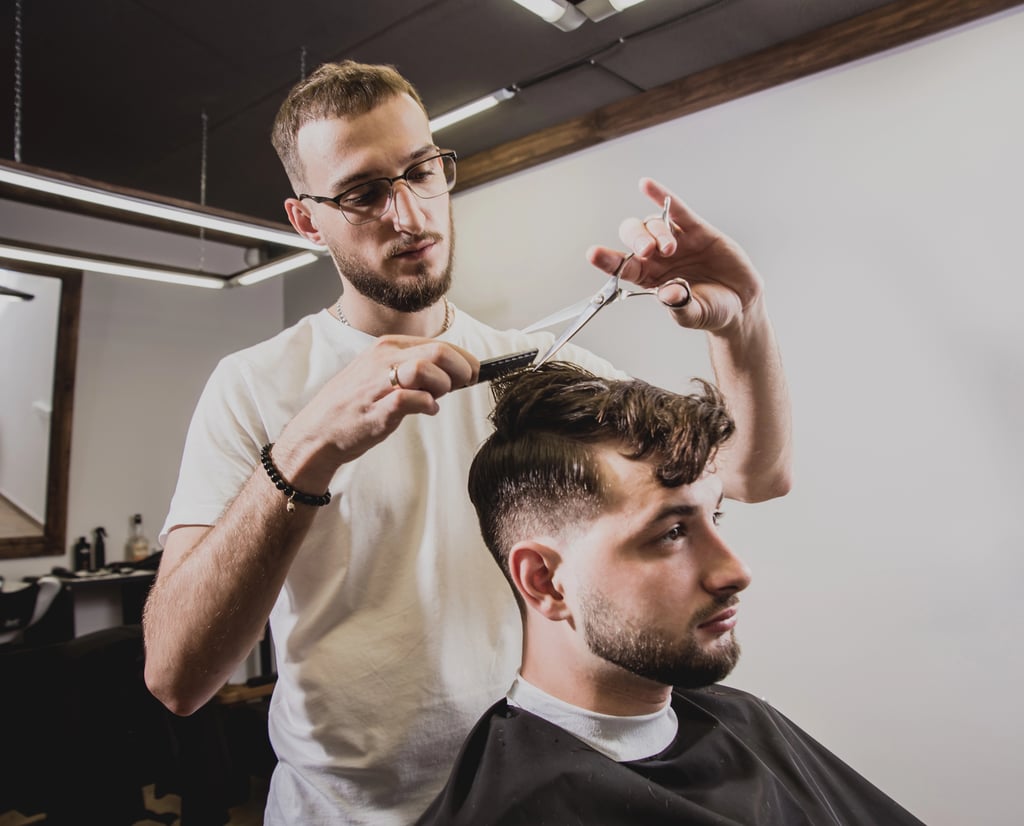
These styles prove that men with hair loss can still wear longer cuts when they have sufficient density in key areas. Medium length options require more maintenance and styling but offer increased versatility for men who want options beyond short cuts.
Textured Mid-Length
Textured Mid-Length maintains 2-3 inches of length while using strategic layering to create apparent fullness. This cut works when you have reasonable overall density but want to add visual weight and movement. Layers are cut to create texture and eliminate flat spots while keeping enough length for styling versatility. Modern texturizing techniques can make moderately thin hair appear significantly fuller. Style with sea salt spray for beachy texture or light pomade for polished finish.
Modern Shag
Modern Shag brings rock-and-roll attitude to contemporary men’s styling. Heavily layered throughout with longer pieces that create movement and hide thin spots. This cut works best for men with natural wave or curl patterns because the texture helps disguise density variations. The intentionally messy, undone appearance means thin spots blend into the overall textured look. Requires confidence and works best in creative professional environments.
Tousled Crop
Tousled Crop creates effortless, just-rolled-out-of-bed appeal through strategic cutting and styling. Hair is cut with subtle layers and styled with fingers to create natural, unstructured texture. The casual appearance actually requires significant skill to execute properly since the cut must be precise enough to look good with minimal styling. This style works by making slight imperfections look intentional rather than problematic.
Layered Texture Cut
Layered Texture Cut uses advanced cutting techniques to maximize the appearance of density and fullness. Strategic layering creates lift and movement while eliminating weight that might pull thin hair flat. The layers are cut at different lengths to create dimension and visual interest. Style with products that enhance natural texture while providing light hold. This technical approach can make thin hair appear up to 50% fuller when executed by skilled professionals.
Wavy Natural Style
Wavy Natural Style works with your hair’s natural texture to create apparent fullness and sophisticated appeal. Natural waves help disguise thin spots by creating irregular light reflection and shadow patterns. The cut enhances natural wave patterns while providing enough structure for consistent styling. Use curl-enhancing products and diffused blow-drying to maximize natural texture without creating frizz.
Modified Curtain Style
Modified Curtain Style updates the 1990s classic with modern proportions and cutting techniques. Center-parted hair falls naturally to frame the face while strategic layering prevents the flat, heavy appearance of traditional curtain cuts. This style requires good frontal density and works best for men with natural wave patterns. The face-framing effect can make you appear significantly younger when the proportions complement your face shape.
Flowing Textured Style
Flowing Textured Style maintains longer length while using movement and texture to disguise density issues. Hair is cut with long layers and styled to create natural flow and movement. This sophisticated approach works for creative professionals and casual environments. The key is keeping hair healthy and well-conditioned so the longer length enhances rather than emphasizes any thinning.

Classic styles with modern twists
These timeless cuts prove that traditional barbering principles still work when updated with contemporary techniques. Classic styles offer sophisticated, age-appropriate options that work in professional environments while incorporating modern elements for contemporary appeal.
Classic Side Part
Classic Side Part receives modern updates through precise cutting and contemporary styling products. The traditional side part is cut shorter overall while incorporating subtle texture work for natural rather than slicked appearance. Modern versions use matte pomades and natural-hold products rather than heavy oils or gels. This eternally sophisticated style works in any professional environment and ages gracefully as you mature.
Ivy League Cut
Ivy League Cut combines collegiate sophistication with practical modern appeal. Longer than a crew cut but shorter than traditional business cuts, with enough length on top for flexible styling. The cut maintains classic proportions while incorporating contemporary fading techniques at the sides and back. Style with light pomade for professional appearances or texture paste for casual sophistication.
Regulation Cut
Regulation Cut brings military precision to civilian styling. Uniform length on top with a perfectly blended taper fade on sides and back. Modern versions soften the harsh lines of traditional military cuts while maintaining the clean, disciplined appearance. This cut suggests attention to detail and professional competence, both of which are crucial elements for business success.
Vintage Comb Over
Vintage Comb Over resurrects 1940s Hollywood glamour with contemporary execution. Hair is cut shorter than historical versions and styled with modern products for authentic vintage appeal without obvious artificiality. The key is proportion and keeping the overall cut balanced while creating enough sweep to suggest the vintage aesthetic. Works excellently for formal events and sophisticated evening occasions.
Updated Pompadour
Updated Pompadour scales down the classic rockabilly style for modern wear. Requires good frontal density but creates dramatic height and sophisticated retro appeal. Modern interpretations use matte products and subtle texture work rather than heavy pomade and slicked styling. The height-adding effect makes you appear taller and more commanding, which are psychological advantages that translate to professional and social success.
Gentleman’s Sweep
Gentleman’s Sweep incorporates British barbering traditions with American practicality. Hair is cut to allow natural side-swept styling while maintaining enough texture for contemporary appeal. The sweep provides partial coverage for temple recession while the refined cut suggests sophistication and attention to detail. This transatlantic approach works in international business environments and formal social occasions.
Traditional Crew Cut
Traditional Crew Cut maintains its status as the most reliable, universally flattering cut for men. Short enough to minimize hair loss appearance while long enough to maintain masculine appeal. Modern crew cuts incorporate subtle fading and texture work to update the classic proportions. This cut works with any face shape, age, or professional requirement while requiring minimal daily maintenance.

International and cultural inspirations
Global style influences offer fresh approaches to balding men’s haircuts. These international techniques bring different aesthetic philosophies that can provide unique solutions for hair loss styling challenges.
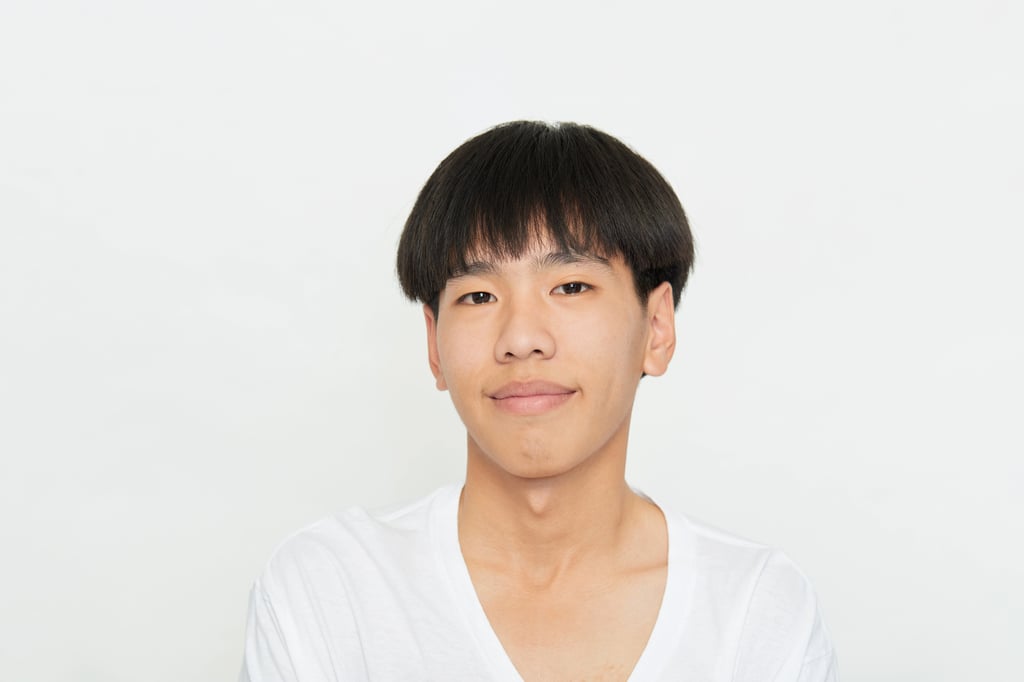
Asian-Inspired Bowl Cut
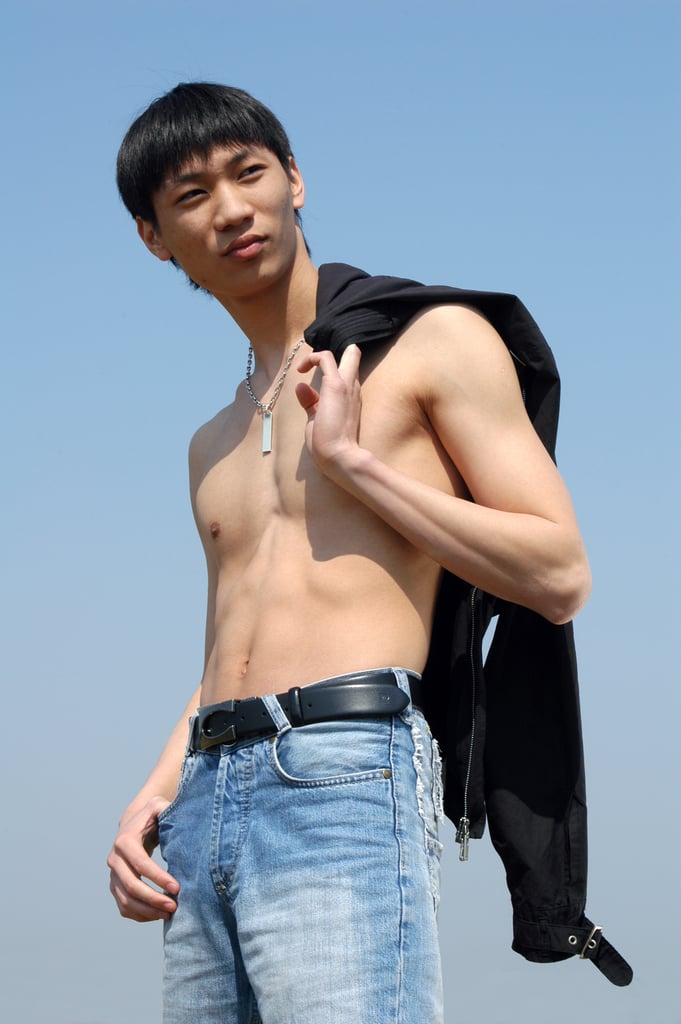
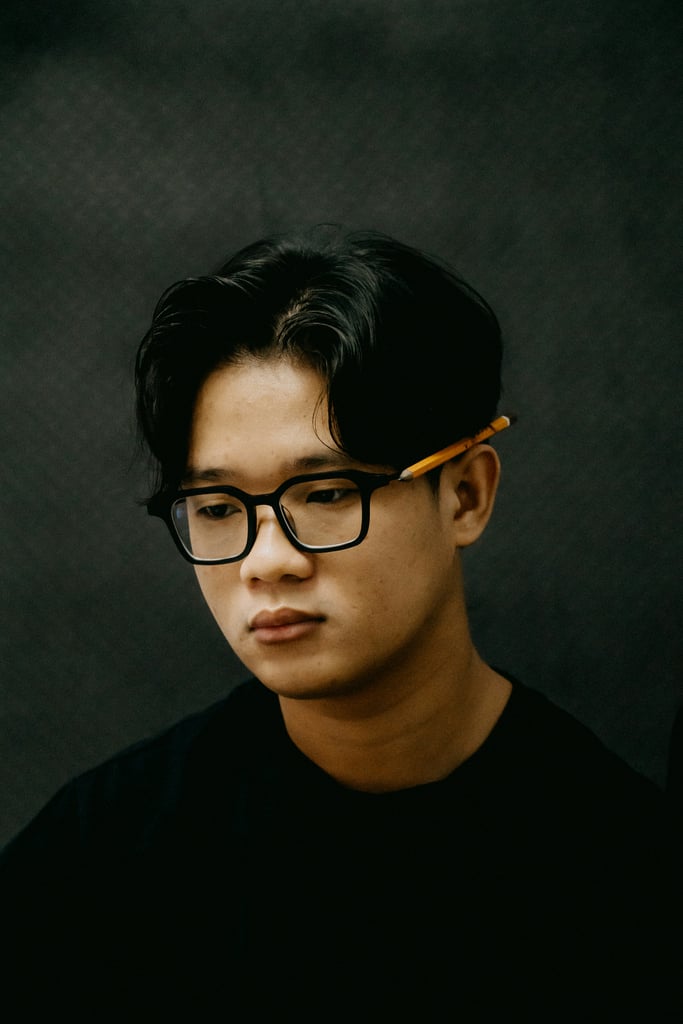
Asian-Inspired Bowl Cut modernizes the traditional style with contemporary proportions and cutting techniques. Shorter than historical versions and incorporating subtle layering to prevent the harsh, artificial appearance of traditional bowl cuts. The geometric precision of Asian barbering creates clean lines that work well with straight hair textures. Modern interpretations add texture work to soften the edges.
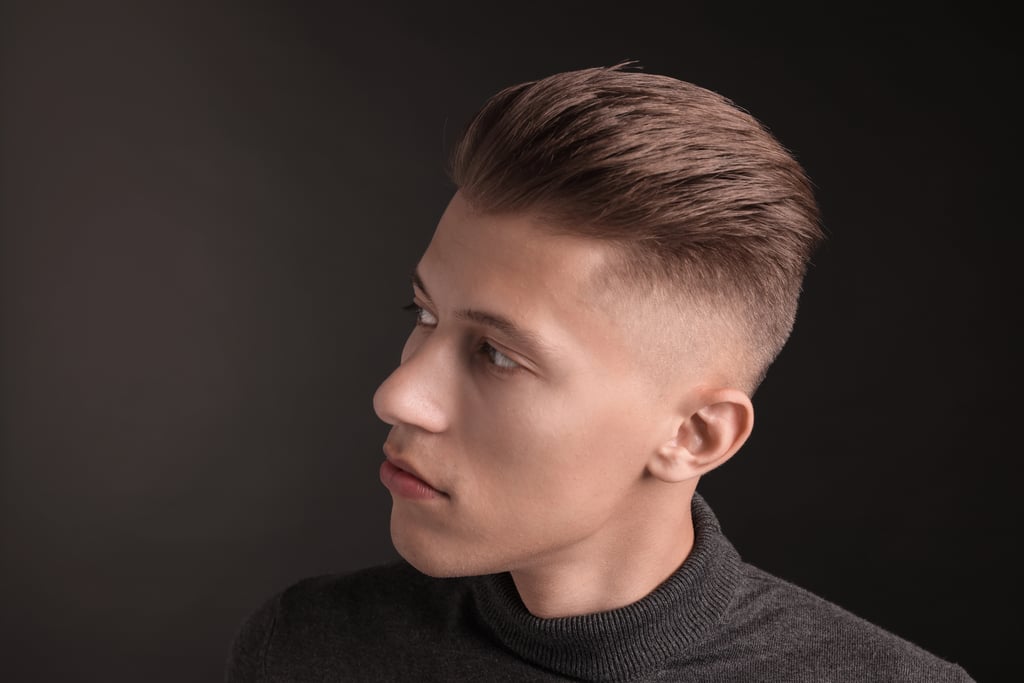
European Textured Crop
European Textured Crop reflects Continental sophistication and attention to detail. Precision cutting creates subtle texture variations while maintaining overall structure and elegance. European barbering emphasizes technical skill and artistic vision, resulting in cuts that look effortless while requiring significant expertise to execute.
Scandinavian Minimalist
Scandinavian Minimalist uses Nordic design principles of clean lines and functional beauty with very clean, geometric cuts with minimal styling requirements and maximum visual impact. The aesthetic emphasizes natural textures and honest materials, which is perfect for men who want to retain their natural hair patterns rather than fight them.
British Gentleman’s Cut
British Gentleman’s Cut incorporates traditional UK barbering with contemporary updates. Precise scissor work creates structured but natural-looking cuts that suggest refinement and education. Traditional British techniques emphasize graduated lengths and subtle layering that creates sophisticated texture without obvious artificiality. The result suggests membership in exclusive clubs and sophisticated social circles.
Korean Two-Block
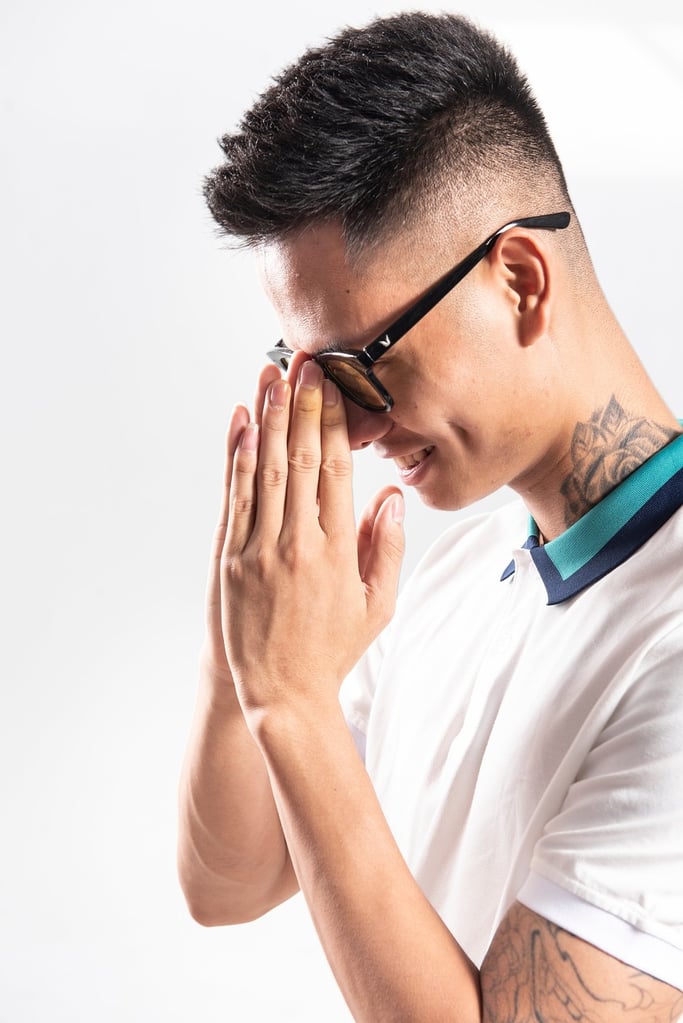
Korean Two-Block brings K-pop influence to mainstream men’s styling. Distinct separation between longer top section and very short sides, creating dramatic contrast and modern appeal. The technique allows for creative styling of the top section while maintaining clean, professional sides. The Korean Two-Block has gained international popularity through Korean cultural influence and social media exposure.
Japanese Precision Cut
A Japanese Precision Cut reflects the Japanese aesthetic of perfection through attention to detail. Extremely precise cutting creates clean lines and perfect proportions. Japanese barbering emphasizes technical mastery and artistic vision, resulting in cuts that appear simple but require significant skill to execute properly. The minimalist approach eliminates unnecessary elements while maximizing the impact of remaining hair.
Mediterranean Relaxed Style
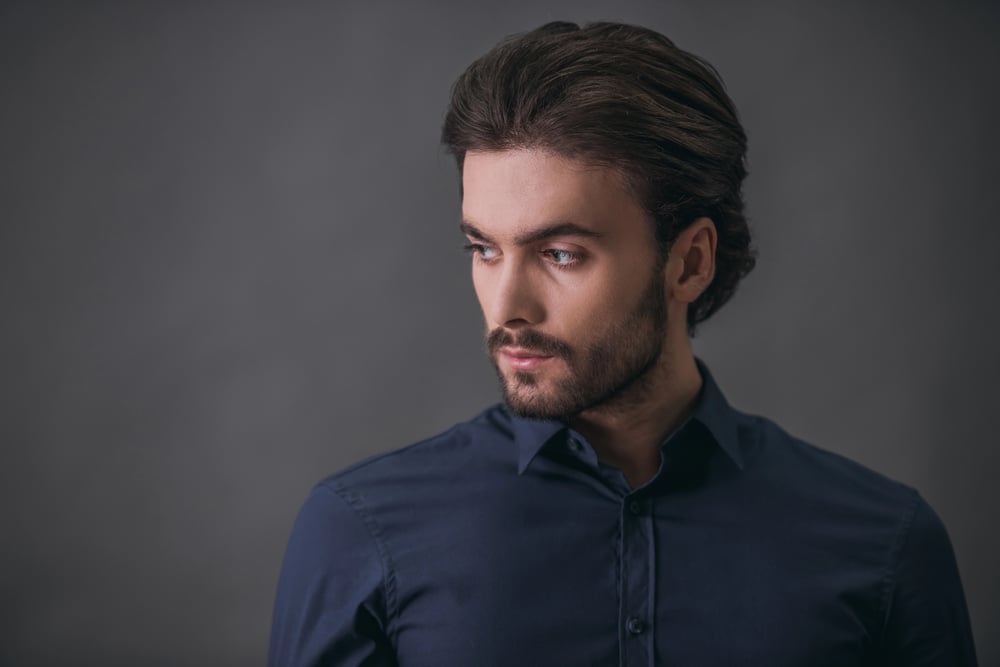
Mediterranean Relaxed Style brings Southern European casual sophistication to men’s grooming. Slightly longer cuts that work with natural texture and embrace imperfection as part of the aesthetic appeal. This approach works well with wavy or curly hair patterns that benefit from longer length. The relaxed styling suggests confidence and European vacation lifestyle, both of which are appealing psychological associations for professional and social success.
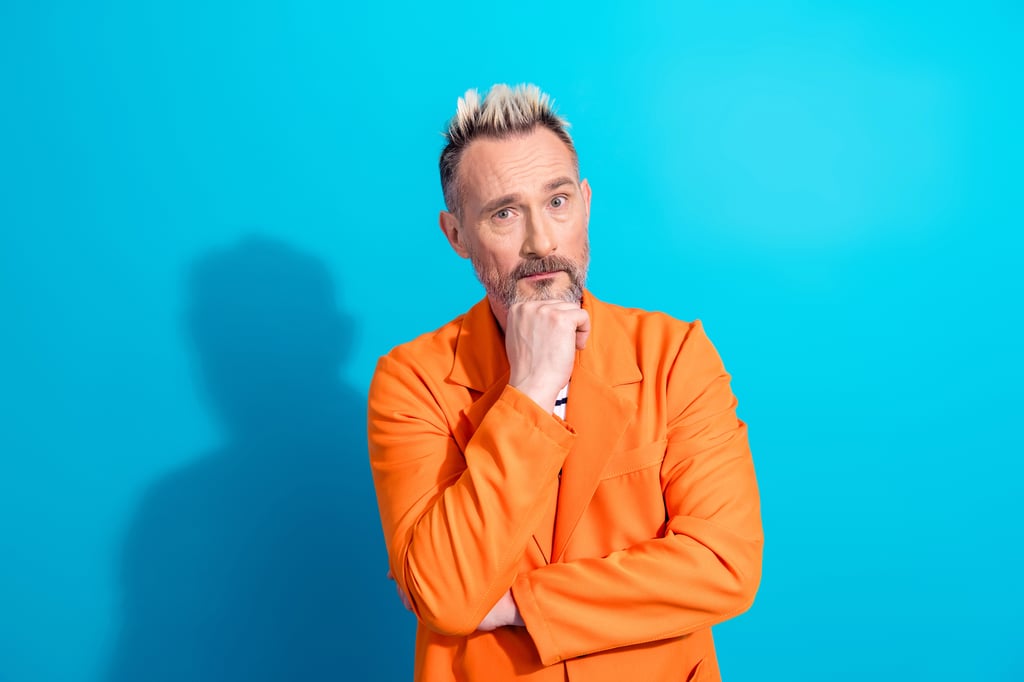
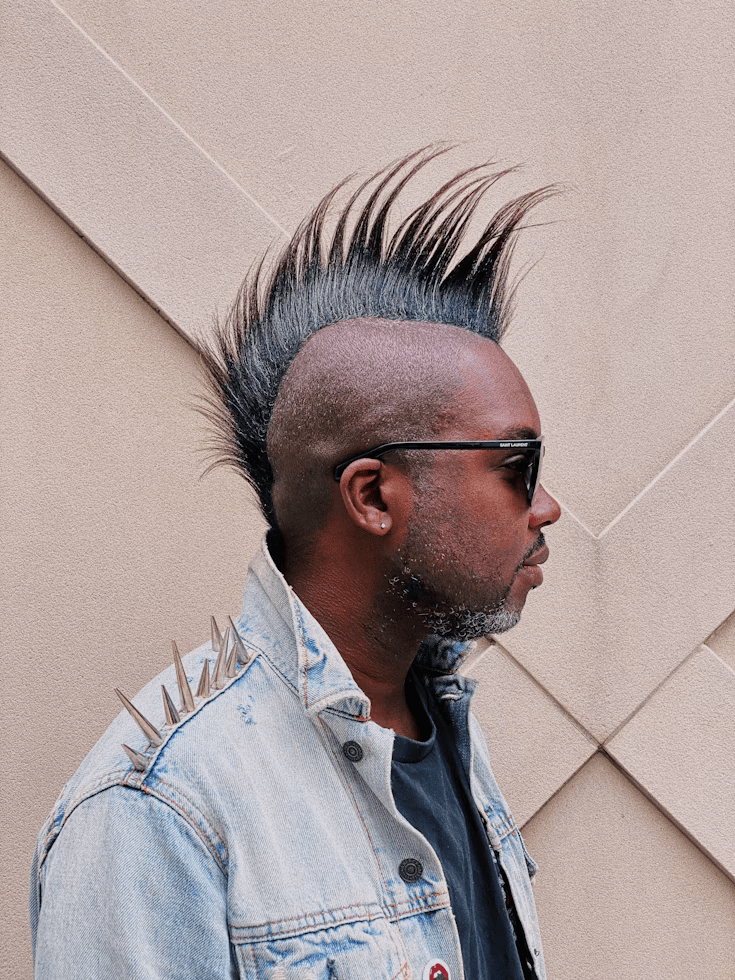
Creative and artistic options
These cuts push beyond traditional barbering into artistic territory. Creative options work best for men in artistic professions or those who want to express individual personality through their grooming choices.
Asymmetric Side-Swept
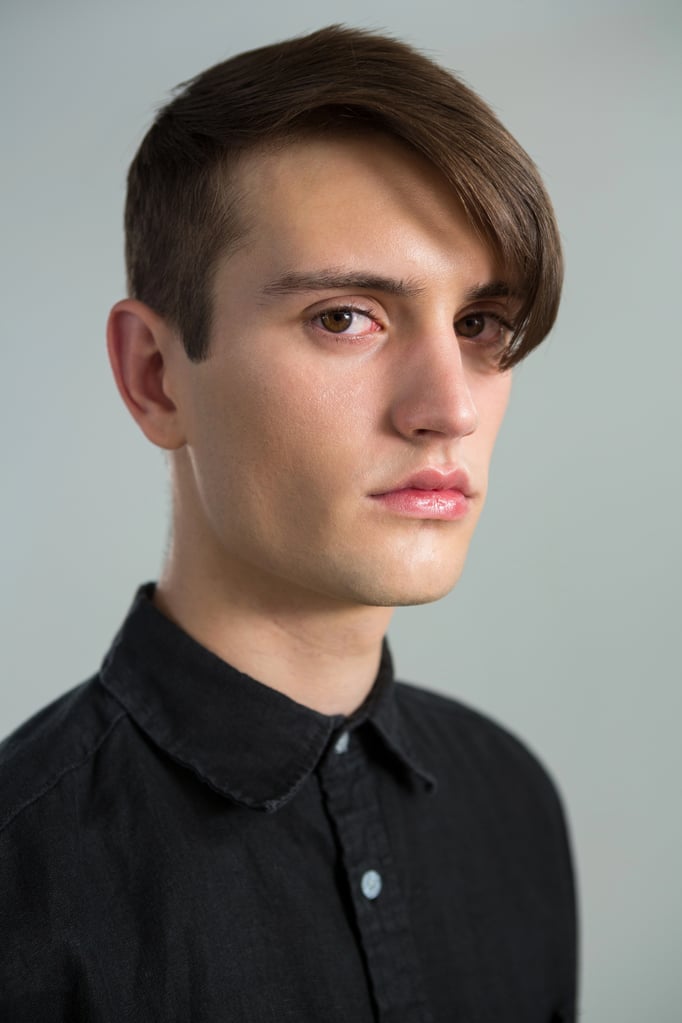
Asymmetric Side-Swept creates visual interest through intentional imbalance. One side is cut significantly shorter than the other, creating dramatic contrast and artistic appeal. The asymmetry draws attention to the intentional design rather than any hair loss patterns. This approach works best for creative professionals who can showcase non-traditional styling in their work environments.
Textured Faux Hawk
Textured Faux Hawk brings punk attitude to mainstream styling. Hair is cut to create height at the center while keeping sides shorter, suggesting mohawk styling without the dramatic commitment. Modern versions use texture rather than height for contemporary appeal. This edgy but professional compromise allows creative expression while maintaining workplace appropriateness.
Geometric Patterns
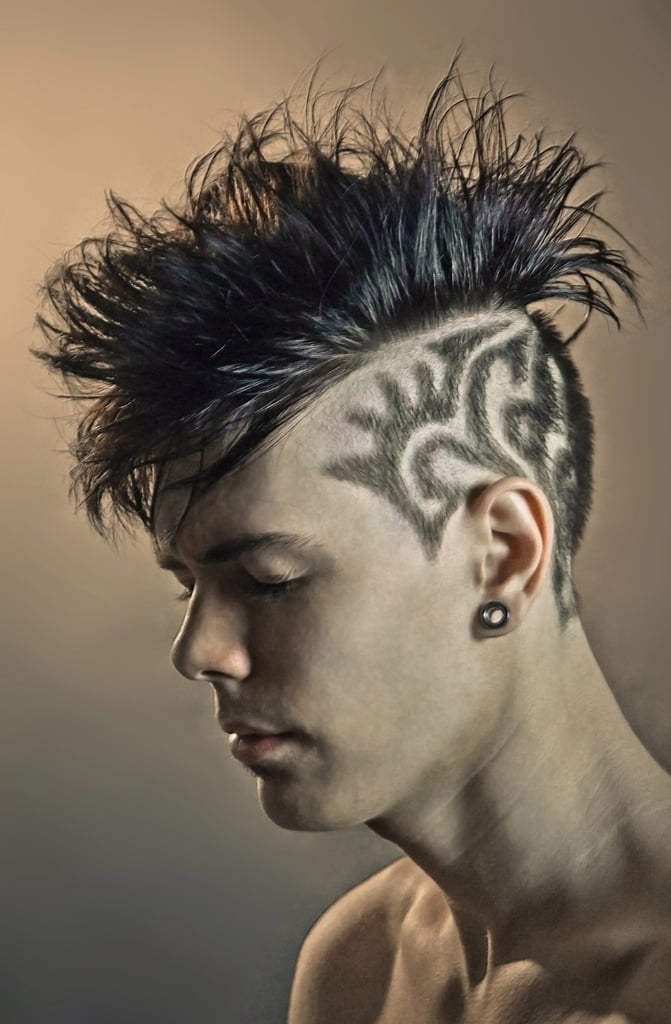
Geometric Patterns incorporate artistic elements into traditional cuts. Razor work creates clean lines and geometric shapes that suggest contemporary art and design sensibilities. These techniques work best when executed by highly skilled barbers who understand artistic principles. The precision required suggests attention to detail and creative sophistication.
Disconnected Fade
Disconnected Fade creates dramatic contrast between different sections of the cut. Rather than blending gradually, different lengths are separated by distinct lines in this fade haircut. This modern technique suggests familiarity with contemporary barbering trends and a willingness to explore cutting-edge styling options. The high-contrast approach works well with strong facial features.
Creative Razor Patterns
Creative Razor Patterns add artistic elements to otherwise traditional cuts. Subtle line work and pattern shaving create visual interest without overwhelming the overall style. These elements can distract from hair loss patterns while suggesting creative personality and style awareness. The key is subtlety since patterns should enhance rather than dominate the overall appearance.
Color Blocking Techniques
Color Blocking Techniques use strategic highlighting to create the illusion of fuller hair. Subtle color variations create depth and dimension that makes thin hair appear denser. Professional colorists can create natural-looking highlights that add visual weight without obvious artificiality. This advanced technique requires professional execution but can dramatically improve the appearance of thinning hair.
Mohawk Variations
Mohawk Variations adapt punk styling for mainstream wear. Traditional mohawk proportions are modified to create workplace-appropriate versions that suggest edge and creativity without crossing professional boundaries. Modern interpretations use texture rather than extreme height for contemporary appeal. This approach works best for men in creative industries who want to express individual style.
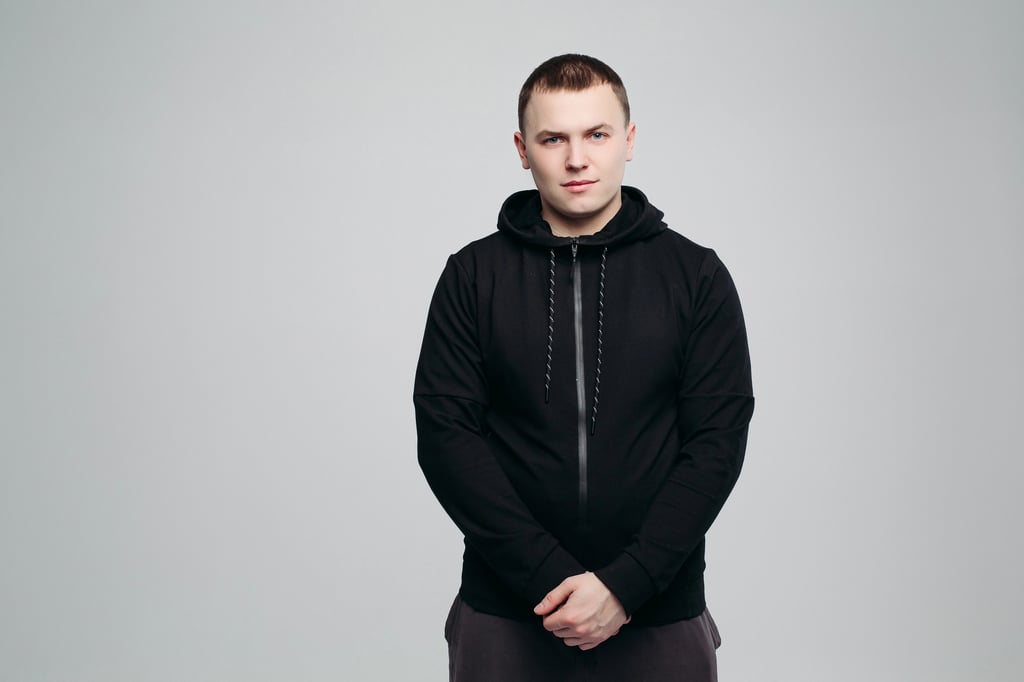
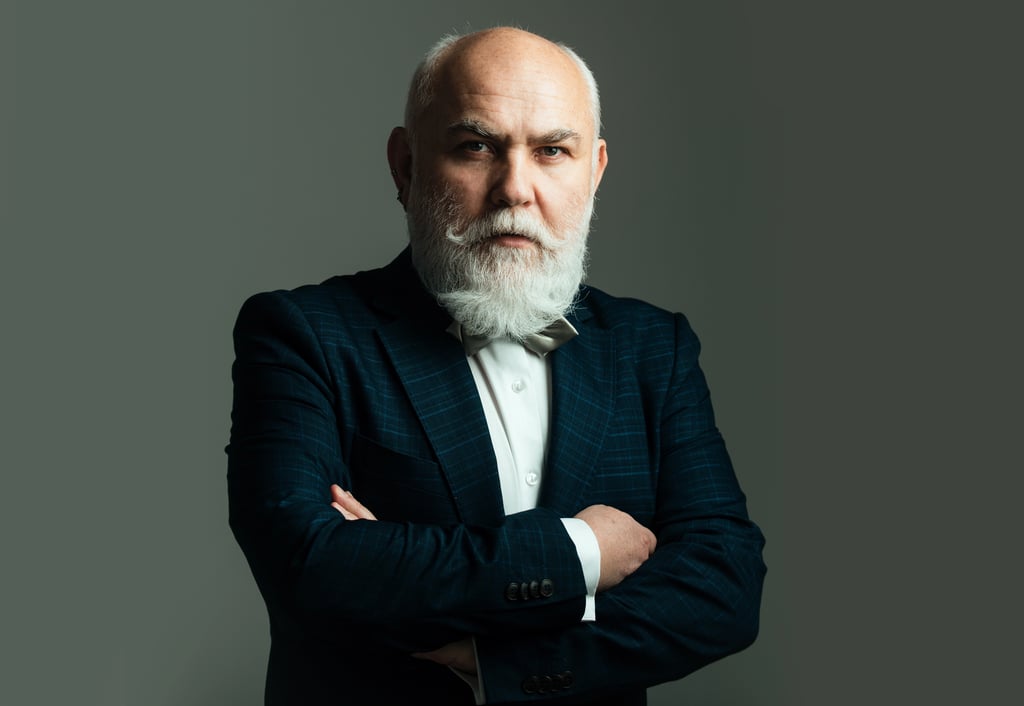

Lifestyle-specific styling solutions
Different lifestyles require different approaches to balding men’s hairstyles. Professional requirements, activity levels, and social environments all influence which cuts will work best for your specific situation.
Athletic and Gym Styles
Athletic and Gym Styles prioritize functionality and low maintenance. These cuts need to look good when sweaty, dry quickly, and require minimal styling products. Ultra-short options like buzz cuts and crew cuts work best because they don’t become disheveled during physical activity. The clean, disciplined appearance suggests fitness commitment and personal discipline, which are attractive qualities in both professional and social contexts.
Professional Executive Cuts
Professional Executive Cuts focus on authority, sophistication, and traditional appeal. These styles suggest competence, attention to detail, and respect for professional standards. Classic cuts with modern updates work best: traditional crew cuts, refined side parts, and sophisticated comb-overs. The goal is commanding presence and professional competence rather than trendy or creative appeal.
Creative Professional Options
Creative Professional Options balance artistic expression with workplace appropriateness. These cuts suggest creativity and individual style while maintaining professional polish. Textured crops, artistic fade haircuts, and contemporary interpretations of classic cuts work well. The styling suggests creative thinking and aesthetic awareness without crossing into unprofessional territory.
Weekend Casual Styles
Weekend Casual Styles emphasize effortless, relaxed appeal. These cuts should look good with minimal styling while suggesting casual confidence and approachability. Tousled textures, natural waves, and low-maintenance cuts work best. The goal is appearing naturally stylish rather than obviously groomed or structured.
Formal Event Styling
Formal Event Styling focuses on sophisticated, polished appearance for special occasions. These approaches often involve special styling of existing cuts rather than specific cuts themselves. Traditional techniques like pomaded side parts, slicked-back styling, and refined textures work well. The styling should suggest respect for the occasion and social awareness.
Seasonal Adaptations
Seasonal Adaptations recognize that different times of year require different approaches. Summer styles emphasize shorter lengths and minimal products that won’t become problematic in heat and humidity. Winter styles can incorporate slightly longer lengths and heavier products that provide protection and styling flexibility. Adapting your cut seasonally suggests style awareness and practical thinking.
Age-Appropriate Options
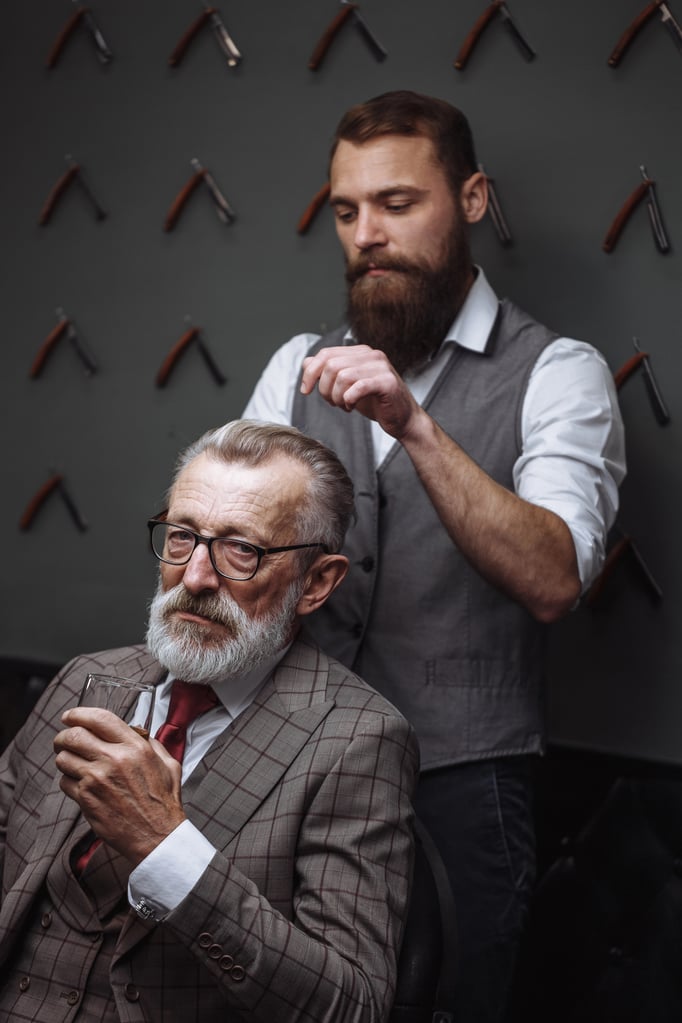
Age-Appropriate Options for 50+ focus on distinguished, mature appeal rather than attempts to appear younger. These cuts should suggest wisdom, experience, and sophisticated taste. Classic cuts with refined execution work best, and avoiding trendy elements that might appear desperate or inappropriate is always a good idea. The goal is dignified, mature attractiveness that champions rather than fights against the aging process.
Maturity is a superpower. Dress and cut your hair like you know it. Also, follow these tips for older men getting back on the dating scene.
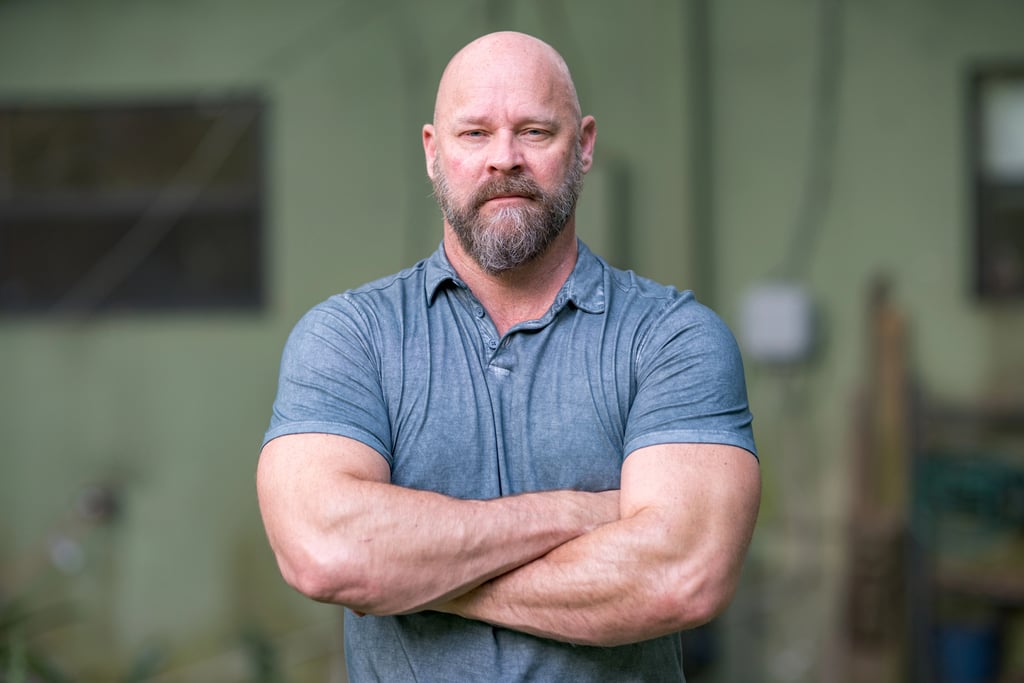
Beard-Complementary Styles
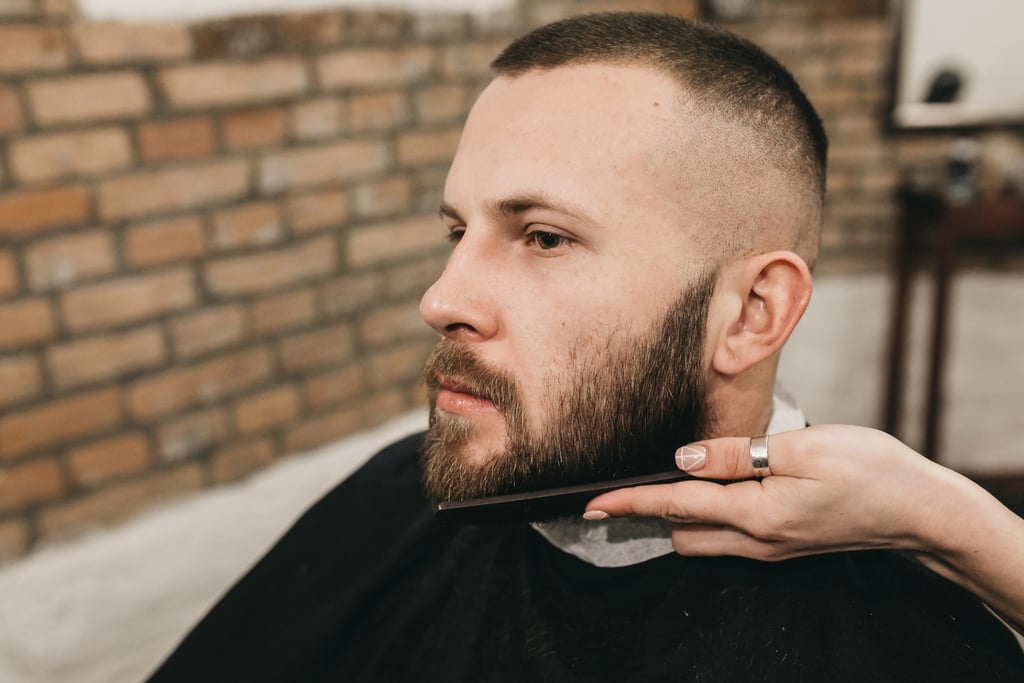
Beard-Complementary Styles integrate facial hair as part of the overall grooming strategy. The head hair and beard work together to create balanced, intentional appearance. Ultra-short head hair often pairs well with fuller beards, while longer head styles might require shorter, more refined facial hair. The integrated approach suggests thoughtful grooming and style awareness.
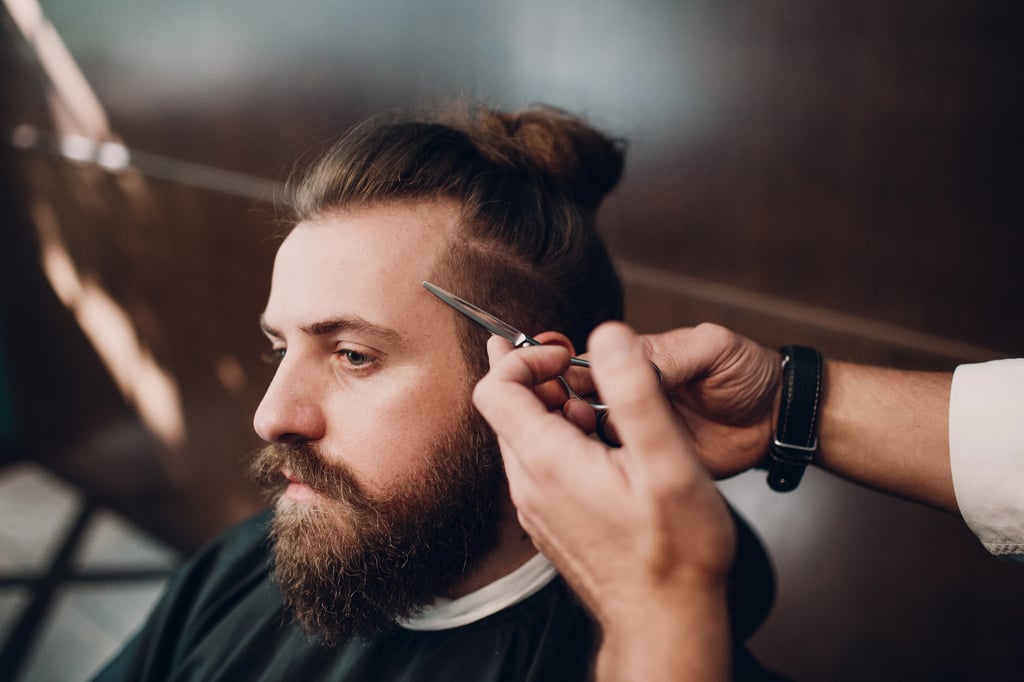
Maintenance mastery and product intelligence
Success with any hairstyle for balding men depends more on maintenance and product selection than the initial cut. The right products and consistent care routine can make a mediocre cut look outstanding, while poor maintenance can ruin even the most expertly executed styling.
Professional-grade thickening products have revolutionized options for men with thinning hair. Forte Series Thickening Spray delivers instant volume in 30 seconds and lasts up to 8 hours, making it possible to create the appearance of significantly fuller hair with minimal effort. Apply to damp hair before styling for maximum effect. The biotin-based formula actually conditions remaining hair while creating immediate visual improvements.
Hair-building fibers like Toppik represent breakthrough technology for men who want instant coverage enhancement. These keratin-based fibers cling to existing hair through static electricity, creating the appearance of dramatically thicker coverage. The key is application technique. Start with small amounts and build coverage gradually. Set with light hairspray for all-day durability. Available in 13 shades to match virtually any hair color.
Pomades designed specifically for thinning hair provide styling hold without weight that might flatten remaining hair. Highland Glacial Clay Pomade received GQ’s recommendation as the best pomade for thinning hair due to its matte finish and natural ingredients that won’t build up or weigh hair down. The clay-based formula provides flexible hold that allows restyling throughout the day.
Daily maintenance routines should focus on scalp health rather than just hair styling. Gentle scalp massage during washing promotes circulation and can help maintain follicle health. Use lukewarm rather than hot water, which can irritate already-sensitive scalp areas. Pat hair dry rather than rubbing vigorously as wet hair is more fragile and aggressive toweling can cause unnecessary breakage.
Professional maintenance schedules become more important as hair density decreases. Schedule barber appointments every 3-4 weeks rather than trying to extend cuts longer. Shorter cuts grow out more gracefully than longer styles, and regular professional attention ensures your cut always looks intentional rather than grown-out. Invest in finding a barber who understands hair loss and can provide consistent, skilled maintenance.
Product selection should prioritize volume and texture over weight and shine. Matte-finish products like hair color shampoo make thinning less obvious than high-shine alternatives because they don’t reflect light in ways that highlight scalp visibility. Texture sprays, dry shampoos, and volumizing mousses work better than heavy gels or oils that might flatten remaining hair against the scalp.
Ultimately, the right hair and styling tips and a practical maintenance routine can keep your cut looking intentional between appointments.
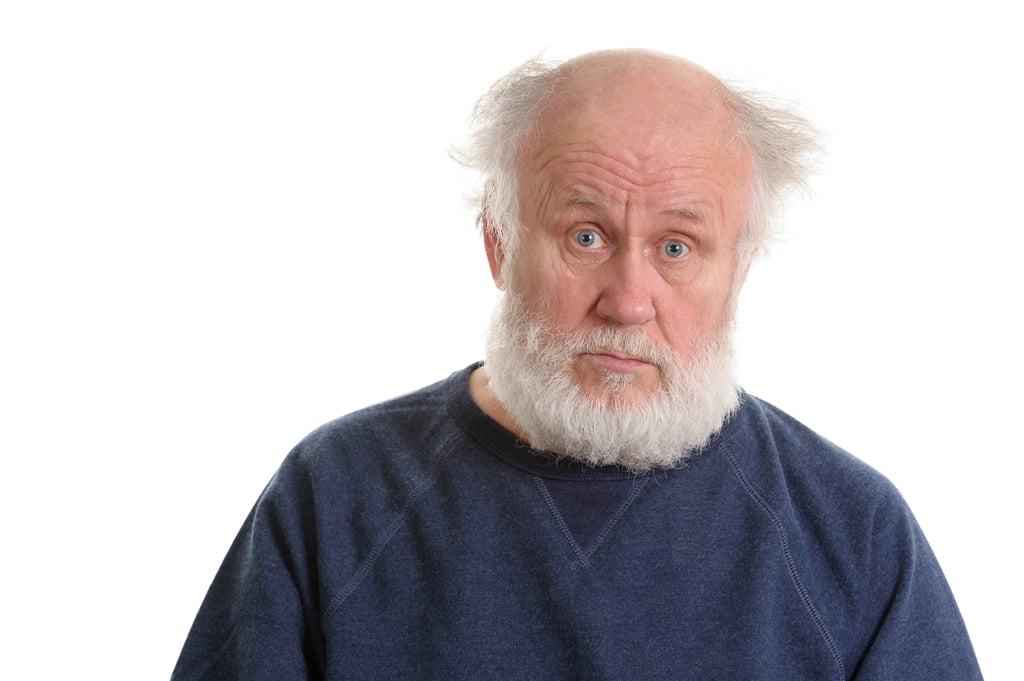
What to avoid and common mistakes
Understanding what doesn’t work is just as important as knowing successful techniques. Many men make predictable mistakes that actually emphasize rather than minimize their hair loss concerns.
The classic comb-over remains the most problematic approach to male hair loss. Obvious attempts to sweep long hair across bald spots actually draw more attention to the problem because the artificial styling becomes the focal point. Modern alternatives like textured side-swept styles achieve coverage through subtle direction rather than obvious placement.
Growing remaining hair longer to compensate for lost density typically backfires because longer, thinner hair looks more obviously sparse than shorter, evenly-distributed cuts. The contrast between thick and thin areas becomes more pronounced with length, making the overall appearance less rather than more attractive.
Overuse of styling products can create buildup that makes hair look artificially thickened and obviously styled. Less is consistently more when it comes to product application. Start with small amounts and build coverage gradually rather than applying heavy amounts initially. Product buildup also attracts dirt and oil, making hair look greasy and unkempt.
Avoiding professional maintenance in an attempt to save money typically costs more in the long run because grown-out cuts on balding men look sloppy and unprofessional much faster than on men with full hair coverage. The investment in regular professional attention pays dividends in consistently polished appearance.
Choosing cuts based solely on celebrity examples without considering your face shape, lifestyle, and hair loss pattern often leads to disappointing results. Jason Statham’s buzz cut works for his facial structure and career requirements, but it might not be optimal for your specific situation. Work with your barber to find the best version of inspiring cuts rather than demanding exact replication.
Ignoring scalp care while focusing only on remaining hair can lead to additional problems including dandruff, irritation, and accelerated hair loss. Healthy scalp skin is the foundation for healthy remaining hair and successful styling of any length.
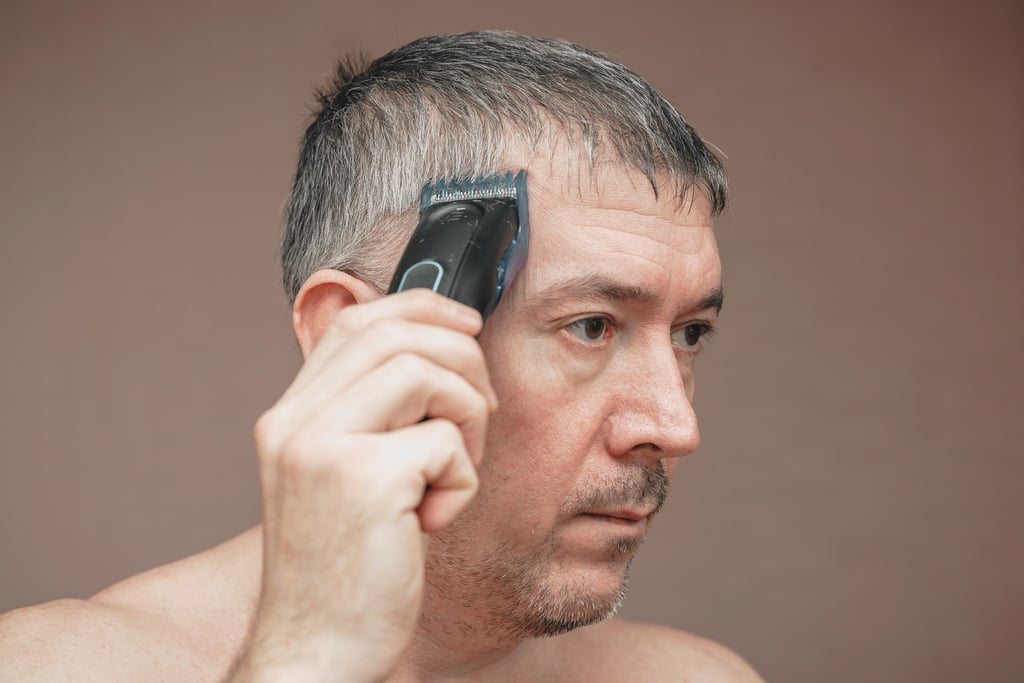
Professional versus DIY approaches
The decision between professional maintenance and DIY care depends on your specific cut, lifestyle, and skill level, but most men benefit from combining both approaches strategically.
Professional services excel in areas requiring technical skill and specialized knowledge. Expert assessment of your hair loss pattern and face shape determines which cuts will work best, which is information that’s difficult to obtain through self-evaluation alone. Skilled barbers understand how different cutting techniques affect the appearance of thinning hair and can execute precision work that’s impossible to achieve at home.
Professional scalp treatments and deep conditioning services can improve the health and appearance of remaining hair while providing relaxing, confidence-building experiences. Many high-end barbershops offer additional services like straight-edge shaves, facial hair trimming, and grooming consultations that create comprehensive style solutions.
DIY approaches work best for daily maintenance and basic touch-ups between professional appointments. Learning proper product application techniques allows you to maximize the effectiveness of your professional cuts through consistent home care. Basic skills like proper hair fiber application, beard trimming coordination, and scalp massage can significantly extend the life and appearance of professional work.
The most successful approach typically combines professional cutting and treatment with daily DIY maintenance. Schedule professional appointments every 3-4 weeks for cuts and treatments while handling daily styling, product application, and basic grooming yourself. This combination provides professional expertise where it matters most while maintaining cost-effectiveness for routine care.
Investment in quality tools makes DIY care more effective and enjoyable. Good razors, brushes, and styling tools can improve your results significantly while lasting for years with proper care. The initial investment pays dividends in consistently better grooming outcomes.
Education improves DIY results dramatically. Take time to learn proper techniques from your barber; most professionals are happy to teach clients how to maintain their cuts effectively. YouTube tutorials and grooming websites provide additional instruction, but professional guidance ensures you’re learning techniques appropriate for your specific hair type and loss pattern.
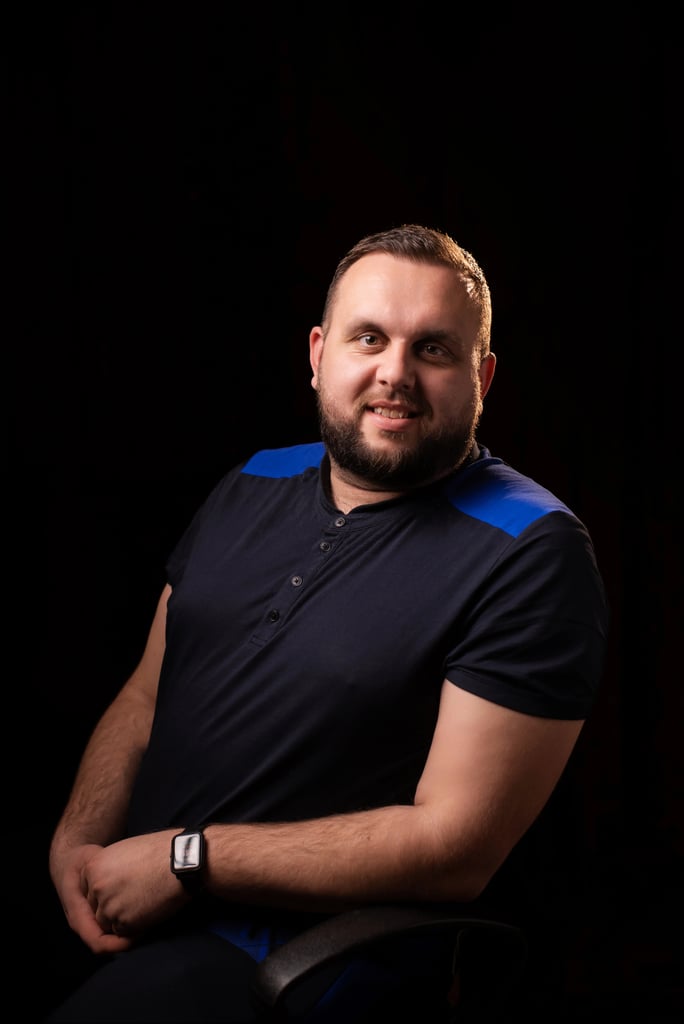
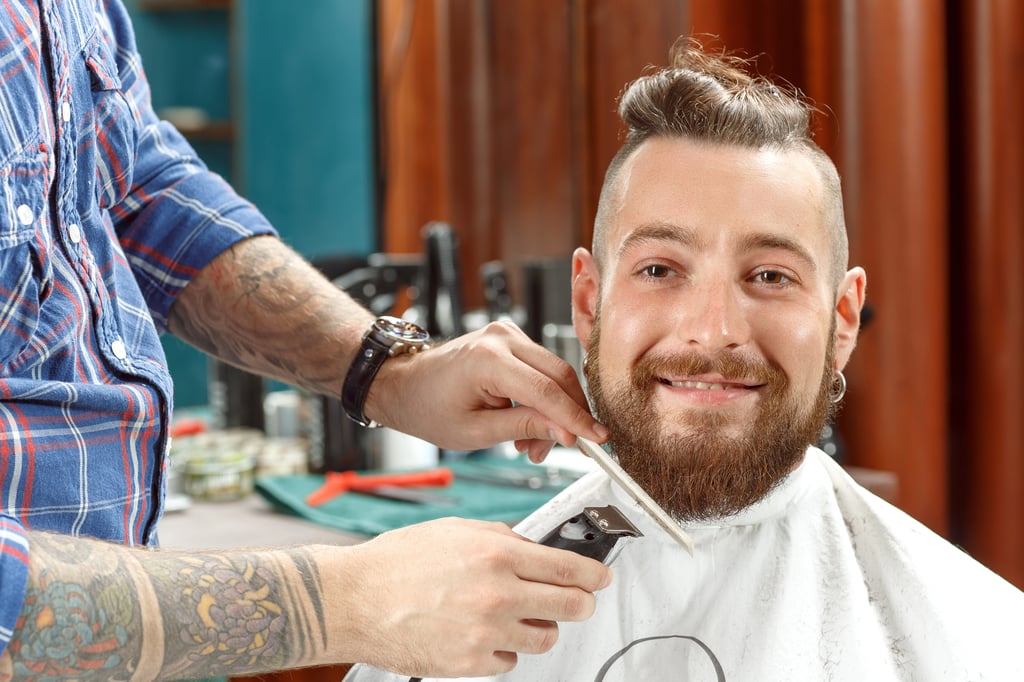
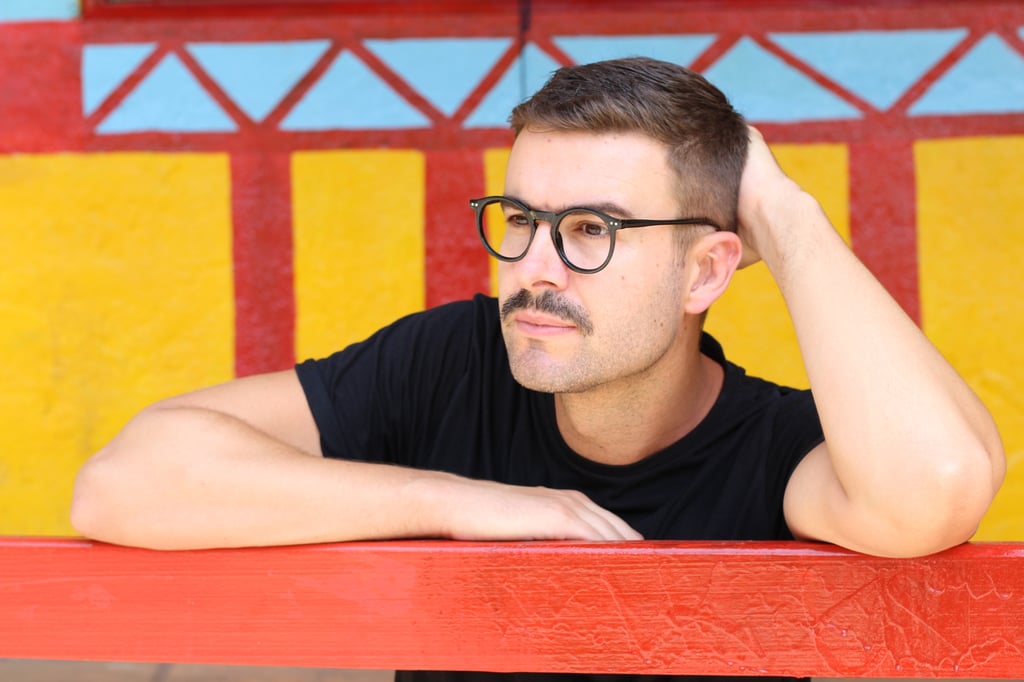
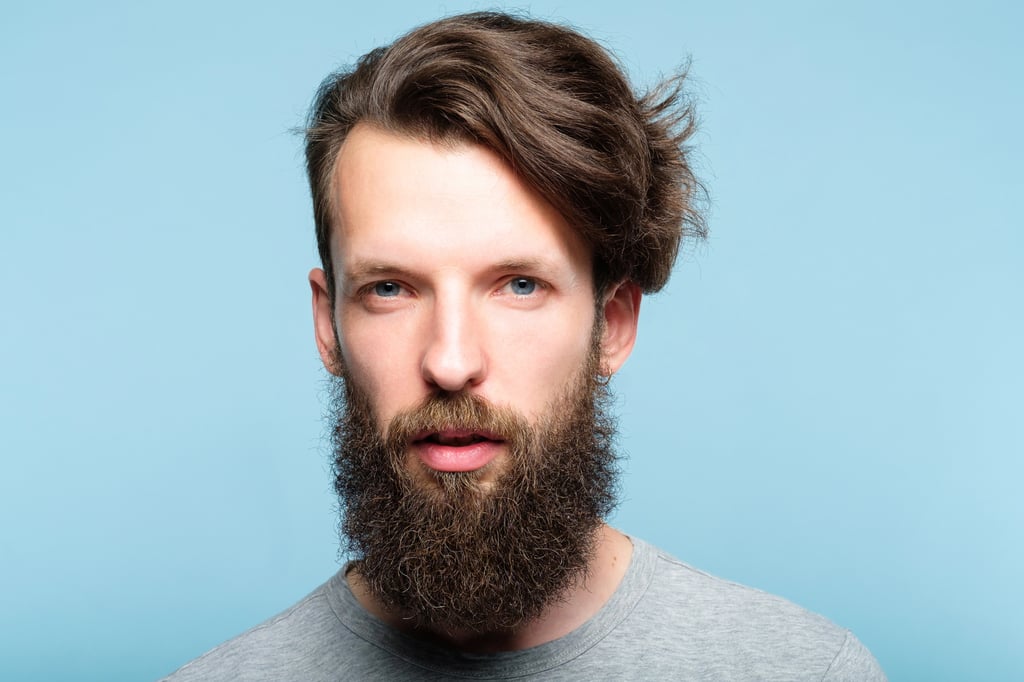
Face shape optimization strategies
Your face shape determines which of these 60 styles will be most flattering and create the most youthful, attractive appearance. Understanding your facial structure allows you to choose cuts that enhance your best features while minimizing any proportional concerns.
The right haircut for your face shape works harder than any styling product. Check out these other men’s hairstyles for more inspiration.
Round Faces
Round faces benefit from cuts that add height and angular elements. Avoid styles that add width at the sides, and focus on vertical emphasis through textured crops, mini pompadours, or cuts with height on top. The goal is creating the illusion of length and definition rather than emphasizing the circular proportions. Facial hair can add angular elements that complement round facial structure.
Square Faces
Square faces work well with most balding men’s hairstyles because strong jawlines provide excellent foundation for shorter cuts. Ultra-short styles like buzz cuts and clean-shaven heads work particularly well because they emphasize the strong facial structure. Avoid cuts that add too much bulk on top, which might make the face appear bottom-heavy.
Oval Faces
Oval faces represent the ideal proportions for men’s hairstyles and work well with virtually any of these 60 options. This face shape provides maximum flexibility in choosing cuts based on lifestyle, professional requirements, and personal preference rather than proportional concerns. Both ultra-short and medium-length styles work equally well.
Oblong Faces
Oblong faces benefit from cuts that add width and horizontal emphasis rather than height. Avoid styles that make the face appear longer. Instead, choose cuts with some bulk on the sides or facial hair that adds horizontal weight. Textured cuts that create width work better than slicked-down styles that emphasize length.
Heart Shaped Faces
Heart-shaped faces (wide forehead, narrow chin) work well with cuts that add weight to the lower portion of the head. Facial hair becomes particularly important for balancing the proportions. Shy away from cuts that add height or width at the forehead level and instead focus on styles that create balance through lower emphasis.
Diamond Faces
Diamond faces (wide cheekbones, narrow forehead and chin) benefit from cuts that add weight to the top and bottom while de-emphasizing the middle section. Strategic facial hair can balance the cheekbone width while cuts with some height work well for the narrow forehead area.
Understanding your face shape allows you to eliminate unsuitable options quickly while focusing attention on cuts most likely to be successful. Work with your barber to identify your face shape and discuss which styles will be most flattering, as a professional assessment often reveals proportional relationships that aren’t obvious through self-evaluation.
The confidence factor and lifestyle integration
The psychological impact of choosing the right hairstyle extends far beyond appearance. It affects confidence, professional presence, and social interactions in measurable ways. Men who find their optimal balding style consistently report improvements in multiple life areas.
Professional success often correlates with grooming confidence. Men who feel good about their appearance project more authority and competence in business situations. Studies consistently show that well-groomed men receive more positive professional attention, faster promotions, and higher salary offers than those who appear less polished or confident.
Dating and social success improve dramatically when men embrace their hair loss (rather than try to hide it). Women consistently report preferring confident bald men over those who make obvious attempts to disguise or compensate for hair loss. The authenticity and self-acceptance suggested by embracing baldness creates more attractive personality characteristics than the insecurity suggested by elaborate concealment attempts.
Lifestyle integration means choosing cuts that work with your actual daily routine rather than aspirational ideals. A high-maintenance style that requires 20 minutes of daily styling won’t work if you have 5 minutes available, and the resultant poor execution will look worse than a simpler cut that’s consistently well-maintained.
Physical activity requirements should influence cut selection significantly. Men who exercise regularly, work in physical environments, or live in hot climates need styles that look good when sweaty and recover quickly from physical activity that leads to blood flow. Ultra-short haircuts typically work better than longer styles that become disheveled or require frequent restyling.
Travel requirements affect product needs and styling complexity. Frequent travelers benefit from cuts that look good with minimal products and tools. Elaborate styling routines become impractical when living out of suitcases. Simple, well-executed cuts often work better than complex styles requiring multiple products and tools.
The investment in finding your optimal balding style pays dividends in confidence, professional success, and social satisfaction. Take time to experiment with different options from this comprehensive list; the right choice will feel natural and enhance rather than constrain your lifestyle and personality.
Your relationship with your reflection matters more than hair follicles count. Choose the style that makes you feel most confident, authentic, and attractive then own that choice completely. The most successful balding men are those who make their hair loss work for them rather than against them. With 60 excellent options to choose from, your perfect style is definitely on this list.

The Health Connection: Understanding Male Pattern Baldness
Q: Is male pattern baldness a sign of poor health? Male pattern baldness is primarily genetic and hormonal, not a reflection of overall health status or a sign of lack of nutrients. Approximately 85% of men experience significant hair thinning by age 50, making it one of the most common genetic traits. The condition is caused by sensitivity to dihydrotestosterone (DHT), a hormone that’s actually a sign of normal male development.
The Genetics Factor Contrary to popular belief, the “baldness gene” doesn’t come solely from your mother’s side. Recent genetic research shows that multiple genes from both parents contribute to male pattern baldness. Having a bald father or grandfather simply means you inherited the genetic predisposition, not poor health habits.
Debunking Health Myths Several persistent myths wrongly connect baldness to health problems:
- Myth: “Baldness means low testosterone” – Reality: Often the opposite; balding men may have higher testosterone conversion to DHT
- Myth: “Poor circulation causes baldness” – Reality: Blood flow to follicles is normal; it’s hormonal sensitivity that matters
- Myth: “Wearing hats causes baldness” – Reality: External factors don’t trigger genetic hair loss patterns
When to Consult a Doctor While male pattern baldness is normal, sudden or patchy hair loss could indicate:
- Thyroid disorders
- Autoimmune conditions (alopecia areata)
- Nutritional deficiencies
- Stress-related hair loss (telogen effluvium)
- Medication side effects
Lifestyle Factors That Support Hair Health While genetics determine your pattern, these factors support overall scalp health:
- Balanced nutrition with adequate protein, iron, and vitamins
- Stress management through exercise and adequate sleep
- Gentle hair care avoiding harsh chemicals and excessive heat
- Sun protection for exposed scalp areas
The Confidence-Health Connection Studies show that men who accept their baldness report better mental health outcomes than those who struggle against it. The stress of fighting inevitable genetic patterns often creates more health problems than the baldness itself.


Comments 0
No Readers' Pick yet.