








Fall Overseeding Guide: Thickening a Thin Lawn Before Winter
 Story by:
Home Improvement and DIY Blog
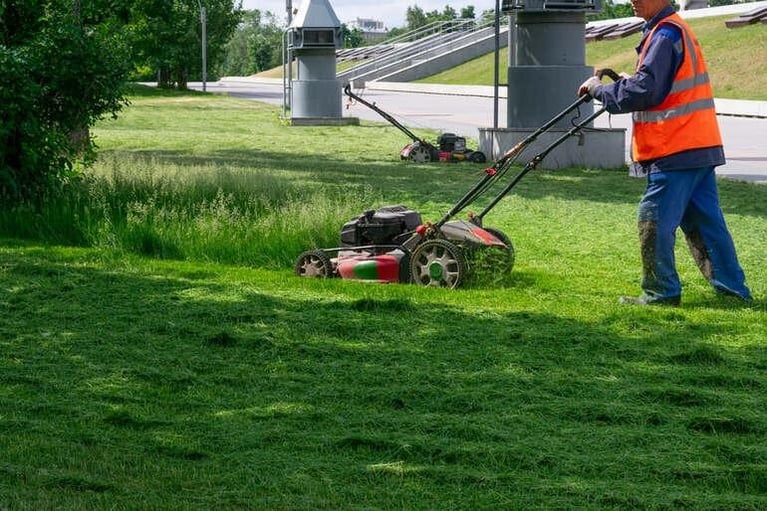
If left looking like this regularly during the summer, re-seeding might be needed. So, when an artificial stimulant is required, it’s a good time to wait for the fall—albeit depending on the type of grass. There are two types of fall seeding: overseeding of warm-season grasses, and transplanting a cool-season grass seed crop as a fall crop. The most appropriate solution is dependent on the conditions of the lawn and the long-term plans. As with connecting, Patience and approachability are also required with lawn care, and proper selection of fall overseeding can provide a better start for the construction of a healthier lawn.
If you’re in McKinney, TX, find out what is causing the bare patches before you buy any seed. Many McKinney lawn care services offer to test your soil for compaction, grubs, and drainage problems. This will help determine what is happening with your grass before you begin to reseed old parts year after year.
Why Is Fall the Best Time to Overseed a Thin Lawn in North Texas?
Cool-season grasses grow better in colder temperatures. In the fall, it’s best to add matching seed to a thinning lawn of tall fescue.
Typically, fall overseeding involves seeding ryegrass on bermudagrass. This is in contrast to the green color of the ryegrass compared to the browning-up appearance of bermudagrass. There will be grass to cut and water in the winter season.
There’s a balance. Ryegrass can keep growing through spring and will compete with bermudagrass when both are growing. Choose the overseeding method and timing wisely. This way, the new grass won’t disrupt the bermudagrass as it grows back in spring.
Is Your Lawn a Good Candidate for Fall Overseeding?
Before using this lawn overseeding guide, walk around your lawn. Identify places with no grass cover, and watch what occurs there throughout the day.
- Is the area shady and covered by the shade of a tree?
- Are people or pets sticking to the same route?
- Will there be any surplus of water after rainfall?
- Is there any part of the lawn that you don’t water?
The following clues may be useful if you are trying to interpret the bare areas. Monitor for insects and/or disease, including situations with new areas of bare symptoms or areas of bare symptoms getting larger.
If it is not addressed prior to the planting of new grass in the area, it will recur, and the new grass may not be able to establish itself.
Which Grass Seed Works Best for Fall Overseeding in McKinney?
Choose the appropriate seed for the grass type to be planted. For tall fescue, select another tall fescue variety to support healthy lawn growth as part of a natural wellness approach to outdoor living. In hot weather, remember to water tall fescue more than warm-season grasses.
Established bermudagrass will grow over perennial or annual ryegrass for a temporary green winter cover. Ryegrass may continue to grow in the spring. This could retard bermudagrass recovery. Therefore, consider this trade-off before you overseed.
The lawn repair plan will be different if you have St. Augustine grass. Commercial lawn seed isn’t available. Inquire about sod or planting material to fill in damaged areas and when to plant. Select the same grass as is grown in your lawn.
How Should You Prepare a Lawn Before Fall Overseeding?
Clear leaves, sticks, and clump buildup to prepare the lawn for healthy growth. Rake lightly so the seed can make good contact with the soil. Mow to the desired height, and lightly rake in spots without grass. If soil is compacted, aerate during the growing season. Don’t wait until dormancy.
Then determine the size of the seedbed area to be seeded. Stick to the instructions on the seed label. Divide the amount in half and cover the lawn twice, switching directions on your second pass.
Before adding ryegrass to a bermudagrass lawn, check which weed treatments you’ve used. Some products stop grass seed from sprouting. Wait according to the instructions on the label before sowing.
How Do You Care for an Overseeded Lawn Before Winter?
Don’t have dry ground in the fall when performing an overseeding. Don’t let any water build up over the seed site. Follow your local watering schedule to determine if adequate watering will be viable. Achieve moisture continuity during germination without forming any puddles/flows on the seedbed. As grass is establishing, limit watering on the basis of soil moisture and weather conditions. Follow local instructions and avoid watering during frosty conditions.
Don’t let heavy foot traffic occur on the new grass. Gently remove fallen leaves. Wait until new seedling growth has become established before mowing. When mowing, be sure to use sharp mowing blades to avoid pulling up the young grass. Fertilizer: follow soil test recommendations.
In conclusion
For homeowners in Collin County, fall lawn overseeding starts with knowing the grass and fixing the cause of thin patches. Check the watering rules before you plant. The new exemption for new landscapes doesn’t cover overseeding.
Also, if selecting grass seed, take into consideration the amount of time you can commit to upkeeping new grass. After planting, keep soils moderately moist until established, and try not to have any foot traffic on the area. Don’t redo the whole yard all at once if the yard is in high use, but plan to leave aside part of it to be new. Having a slow path enables things to be normal and for grass to take its time to become established.
What has caused thin patches in your lawn, and what has helped? Share your experience or questions in the comments.


Comments 0
No Readers' Pick yet.