








How Compression Therapy Helps Lymphedema
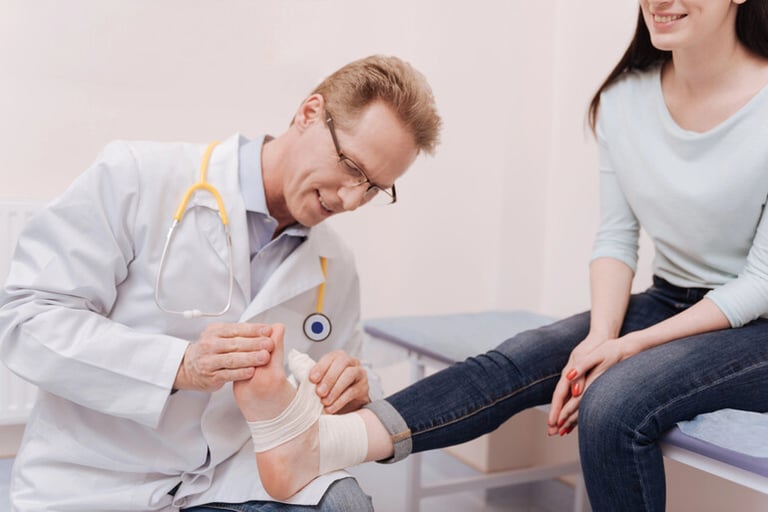
 Story by:
Health and Wellness Blog
Story by:
Health and Wellness Blog
Lymphedema is a permanent disorder that is characterized by swelling of the arms or legs as a result of the accumulation of protein-laden lymph fluid in the body tissues. Although it is incurable, it can be treated successfully in terms of specific strategies with a focus on comfort, movement, and long-term management. Compression therapy becomes a key factor that would assist individuals to gain a sense of stability in their everyday lives.
Dealing with an apparent situation may have a greater impact than bodily well-being. It may also influence confidence, self-image, and comfort in social situations, both in the long run when it comes to meeting new people or keeping close contact. Compression therapy aids in swelling and offers regular support, whereby those who have undergone the treatment find it easy to go through their daily activities. Having sleeves and leggings to bandages and compression gloves for lymphedema of the hands and fingers, it will be a significant move to create a unique treatment plan to feel more comfortable in both personal and shared situations.
What Is Compression Treatment?
Compression treatment represents a treatment regimen that is aimed at decreasing and managing the swelling caused by the buildup of lymph fluid, commonly referred to as lymphedema. The compression presses the required pressure to the swelled area and stimulates the lymph fluid to flow in the right direction via the lymph vessels. This pressure must be evenly spread over the swollen part, firm but not too aggressive, and tight. These measures of treatment can also be used to manage pain and discomfort due to swelling.
Depending on the area of the body and the extent of swelling, compression may be done in the form of garments, bandages, or even wraps. No matter what you ultimately use, all clothes and bandages should be correctly measured and adjusted by the lymphedema professional, well aware of your special medical needs.
Compression Garments
The compression garment that is recommended will depend on the location of lymphedema as well as the level of the swelling. Affected legs have stockings, and swollen arms have sleeves. Specialized products are also available with fingers, toes, and more delicate areas, compression bras or vests over the chest and breast area. The wraps are designed in such a way that they have velcro systems to provide the flexibility and therefore, have the requirement of keeping the support consistent as daily routine varies. Being comfortable in what you wear contributes in a way other than the relief of the body.
Wearing clothes that fit the body and move with them makes individuals less self-conscious and enables them to concentrate on connecting with others, instead of being uncomfortable even in social and dating contexts. Garments may be substituted or used with compression bandaging in certain instances, which is referred to as multi-layered lymphedema bandaging (MLLB). Such bandages are normally used in acute treatment periods and need the expertise of a trained professional. When used properly, these offer systematic support, which becomes adjusted to individual requirements, adding physical stability and daily confidence.
Getting Fitted
It is critically important to have someone experienced in properly measuring and fitting compression garments to fit your garments. Your lymphedema specialist will typically be able to do this themselves, or they will set you up with the necessary professional to do so.
These garments are available in different colors and grades of pressure. What is right for you will depend on the extent of swelling you experience. There are also hypoallergenic options available for those with sensitive skin. In some cases, a ready-made garment may be available to match your exact measurements. Alternatively, your lymphedema specialist will need to order a custom-made garment.
Wearing Your Garments
You will also be shown how to take your compression garment off and on, as well as when you are fitted to it. The majority of individuals can wear their garment in the morning, in the time when the swelling is in the lowest position, and the limb is not heavier. Give a rest period after taking a bath or shower so that your skin completely dries before dressing up.
Do not roll or turn down the top edge of the day. That motion prevents the circulation and may raise swelling. Rather, place the material uniformly throughout the body without creases and folds in order to maintain a uniform pressure that is supportive. The comfortable fit means your lymphedema management solution is operating in the background, letting you continue living your life, business plans, and nurturing the social types and relationships that add meaning and confidence to your personal connections.
Take the garment off at night and give your skin some sort of moisturizer. The moist skin remains healthier, softer, and more comfortable, which promotes long-term care and comfort to the individual. Physical well-being usually influences the appearance that individuals present during a date and in relationships, in which ease and confidence can be valued more than flawlessness.
Recognize the Warning Signs
In some cases, compression garments are not appropriate to be put on. You should never ignore the professional opinion of your lymphedema specialist, but you can never wear them. You should avoid wearing them if you have cellulitis in the area, when your skin is torn or weak, or when it is wavy, depressed, or has drippy lymph nodes.
Besides, it is unhealthy to wear your clothes the wrong way, which can damage your body and well-being. The importance is that in cases when the garments are incorrectly applied, they do not reduce swelling; they lead to additional destruction of the skin. When the clothes you are wearing are too light, chances are that you would feel pain, pins and needles, numbness, and your fingers or toes changing color. In the event of such symptoms, take off the garment immediately and seek the help of your specialist.
Additional Information
The initial compression bandaging will be bulky, and loosely-fitting, relaxed clothes will make it more comfortable and allow movement throughout the day. In the case of lymphedema of the legs, shoes are more important than thought. Squeezing shoes puts pressure on the wrong areas, so wider shoes or sandals using adjustable velcro straps leave a gap without losing stability. Comfort is the belief in confidence, particularly in situations when it is going out to have a social agenda or meet someone new.
Contact your insurance company first to ensure that you are covered when bandaged before driving. Compression may inhibit the speed of reaction, and safety is first when it comes to daily lives, even when going out at night. Thinking about transportation in advance is a way to maintain low levels of stress and concentrate efforts on spending time beyond the house.
Exercise is also involved in day-to-day care. Keep up with the exercises that your specialist has ordered you to perform at the stated frequency. These measures stimulate the flow of fluid out of the swollen regions, relieving tightness and pain. In addition, it can fix back pain, helping you feel lighter, freer, and more relaxed in social places where posture, movement, and comfort make a silent contribution to first impressions.


Comments 0
No Readers' Pick yet.