







Common Causes of Lower Back Pain and How to Address Them
 Story by:
Health and Wellness Blog
Story by:
Health and Wellness Blog
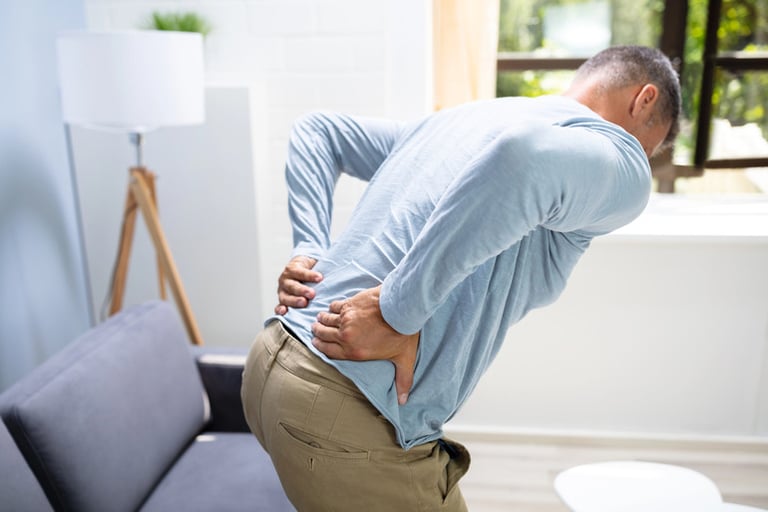
Low back pain is one of the leading causes that makes people disabled and out of work, which every person experiences at some point in his or her life. Low back pain causes one to miss work and be less productive, as well as to experience pain, which means that one can hardly do anything. People might be annoyed by the fact that they are not aware of the source of the pain.
Low self-esteem and failure to become excited about what one does in the dating relationship negatively affect the perception that one has towards the relationship. When the symptoms are ignored or one tries to find a way out of the problem, then the situation is worse. It is necessary to realize the reason for a problem to be able to find the solution. Low back pain has numerous causes, and it would be good to know the cause in order to be treated accordingly.
Why Lower Back Pain Is Difficult to Self-Diagnose
The lower back is composed of many parts; these are: vertebrae, discs, muscles, and nerves. Therefore, the matter is very complicated. It may either be dull pain caused by muscle disorders or sharp pain caused by irritation of a nerve. Whatever it is, it is hardly possible to diagnose the problem without proper analysis or radiography, as the body is not the same as a pressure sensor, which will accurately determine the cause of pain. It can cause the patient to subject himself to testing various remedies to alleviate his condition. He gets an opportunity to rest, extend, or use pain relievers, and hopefully, he will recover.
Nevertheless, in case it does not contribute to this and disrupts his everyday routine, he may have other complications, such as disc impingement or even nerve impingement. As soon as a patient gets to know more about his problem, he begins to consider additional solutions, such as microdiscectomy vs laser spine surgery, to determine which will relieve the pressure on the nerves affected more perfectly. Although reading up can enhance awareness, a proper hands-on assessment is what informs the most effective treatment, which is why many people with persistent symptoms start by seeing an experienced chiropractor Charleston SC, before deciding on anything more invasive.
Mechanical Strains and Soft Tissue Injuries
Mechanical strain may result in back pain. This happens when a person is lifting, twisting, or even making any sudden turns and putting strain on the muscles and ligaments. Poor body mechanics over types of lifting can also lead to either acute mechanical or chronic strain. Mechanical strain and overuse lead to injuries to soft tissues. This may be a result of engaging in a date that is physically demanding or a workout schedule. Spending much time sitting or standing in the wrong posture causes an imbalance of the weight in the back muscles, therefore, causing mechanical lumbar strain.
Degenerative Disc Disease and Aging
Old age results in natural atrophy of the spine. The intervertebral discs cushion the shock, absorbing it. Their ability to absorb is diminished with age. This can lead to stiffness, inflammation, and chronic low back pain. Degenerative disc pain is not necessarily the result of disease, but when disease occurs, there is a varying degree of symptoms. Some will have those sporadic stints of symptoms, and other patients have chronic symptoms that cripple their daily life. The rate of disease progression depends on genetics, physical activity, and other variables. Proper body mechanics, exercise, and staying at a good weight can slow the process down.
Herniated vs. Bulging Discs
Back problems may also occur as a result of disc problems. In the case where the external region of the disc sticks out without tearing, it is termed a disc bulge. Should the disc herniate, the disc ruptures, hence causing the internal contents to push the nerves when they stick out. The symptoms will be worse in herniated discs with an anticipated shooting pain, numbness, and tingling sensation in a leg.
The symptoms of the affected disc differ according to the level where the disc is situated. Physical exercises and bed rest are some of the practices that may help some people cope. Others, however, might need medical attention because of nerve compression. The sooner the problem is observed, the more rapid the recovery will occur.
The Role of Sedentary Lifestyles
Lifestyle involves sitting long hours either at work or when in the car, or even when watching TV. Sedentary lifestyles result in the muscles that hold the backbone being of poor tone. Thus, increased stress will be applied to the lumbar area. When one slouches, the back is put under increased pressure. It is normal to be in a bent posture when seated. The lower back will be put under increased pressure. Low back pain sufferers typically experience some spine deformity; regular stretching and short movement breaks throughout the day can make a noticeable difference. Staying active helps maintain strength and improves blood flow to spinal structures.
Skeletal Irregularities and Structural Conditions
The pain in the back can also be the outcome of issues related to the spine. Scoliosis is one such problem in the spine. In case the curves of the spine have an issue, then the muscles of that part will have unequal pressure, which will result in pain. This condition is mainly aggravated by the pain that is made worse when the individual gets up and moves around. Back pain can be caused by spinal stenosis as well. It comes about as a result of constriction of the spine canal, which pressurizes the nerves. Here, numbness and tingling in the legs will be experienced, and the legs will be weak. This can be treated, but it might be cured by exercising.
Finding Relief and Moving Forward
The causes of back pain might be strains, disc problems, degeneration problems, or any other body problems. It is imperative to know what type of problem you are dealing with since different problems demand different remedies. The symptoms or even temporary relief will result in your issues in the future. The possible solutions to this issue may involve diagnosing and being healthy with respect to the back practices. Exercising, sitting correctly, and using the appropriate treatment are some of the things that you should do to reduce the chances of developing this condition. Using these measures, your back pain will not be as much, and you can get back to work and even take part in any form of activities that you enjoy. It can also influence your relationship. Once you are physically healthy, you will also be more assured in having a conversation with people. As there will be no back pain, you will feel relaxed, and it will be easy for you to concentrate on the discussion.


Comments 0
No Readers' Pick yet.