





Why More Men Are Choosing Ethical Clothing Brands in 2026
 Story by:
Style and Grooming Blog
Story by:
Style and Grooming Blog
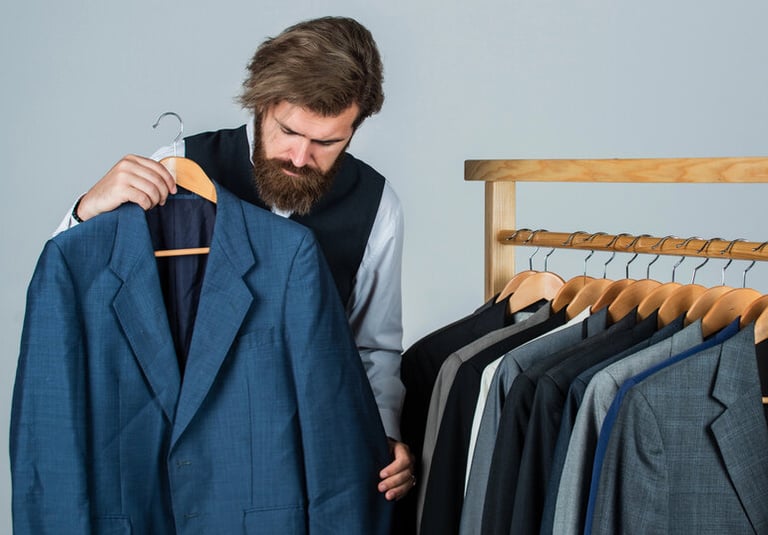
For a long time, menswear ran on a pretty simple formula: buy cheap, replace often, and don’t ask too many questions about how the shirt got to your closet. That formula is falling apart. By 2026, it appears that many men have decided to ditch the racks of cheap fashion and rather wear clothes that, at the very least, will tell them about the source of the cotton used, who stitched the clothes, and how well they are constructed. The same applies to dating, where one’s style is perceived not by style but rather by intent. Well-tailored clothes stand out because they denote thoughtfulness, consideration, and personality, qualities that in most cases will make an impression and facilitate conversation.
Take, for instance, the case of Outerknown, which is an environmentally friendly clothing line associated with surfing culture, now residing in the wardrobe of every man who cares about his clothes. Grab an Outerknown Coupon Code, and you will observe that the cost associated with getting this done may be much lower than what you initially expected. This is not an article about Generation Z or eco-influencers. This is about ordinary men in their late twenties, thirties, forties, and even older who are steadily refilling their wardrobe with more valuable items. Here’s how and why it’s taking place, and why it might be time for you to do the same.
The Backlash against Disposable Menswear
Enter the closet of a conventional man ten years ago, and you will find there is a burial ground for nearly-dead t-shirts, a bunch of discolored polo shirts, and just two pairs of chinos that have been reduced to nothing after being washed twice. It was a fashionable closet for its time, featuring cheap materials, low prices, and the assumption that clothes need to be discarded and replaced, not mended. But there were fundamental problems with this arithmetic.
Paying fifteen dollars per shirt for four shirts a year, which only last half a year, is more expensive than buying a better shirt that will last for five years. Many of them were dissatisfied with the outcome. This process of realizing how the system worked against their interests has pushed the change. No guilt trip, no political motivations, only the bare fact that the previous arrangement was bad in any possible way. When men in 2026 turn to ethical brands, they will make the right choice, not the virtuous one.
What “ethical” Actually means when you’re buying a Shirt
The term “ethical” is used so often today that the word no longer seems to have any real meaning. In menswear, there are typically four elements that should be considered when it comes to ethics.
- Materials: While most of the clothes made use of cotton that is full of pesticides or polyester from petroleum products, the eco-friendly clothing industry relies on organic fabrics like organic cotton, recycled polyester, regenerative fabrics, hemp, and Tencel. This can be seen by the softness of the fabrics, their ability to take color, as well as their ultimate fate after they have completed their lifecycle.
- Labor: Ethical clothes are created in factories where workers earn living wages, working under safe conditions that are auditable. It goes without saying that none of these statements can truly apply to fast fashion.
- Transparency: Ethical brands will provide their supplier lists, certification, and the environmental footprint. If a brand refuses to show you where their products are made, then you already have the answer.
- Durability: Ethical fashion is not meant to be worn just once or twice before being thrown away because of a new trend. It’s designed for longevity and will have superior stitches, materials, and designs. A well-crafted flannel from 2026 should fit right into your wardrobe in 2032.
These four qualities together create the kind of garment that is immediately recognizable once it goes on and will require an upfront investment, but here comes the part that is never mentioned in the discussion about ethical clothing.
The Cost-Per-Wear Argument Men are Finally Running the Numbers on
Fast fashion is expensive. This statement seems contradictory at first, yet it is correct—and it perfectly reflects the current state of fashion. An item that costs twenty dollars and will last for only eight months, at a cost-per-wear ratio of around twenty-five cents per wear if it is worn once a week, costs thrice as much as an item worth one hundred dollars, which will last five years, with a cost per wear rate of only eight cents. The latter option not only costs less but looks better every single second you wear it. In 2026, men will calculate such sums for any item they decide to buy. This will not happen because anyone convinced them to spend more money; this will happen because they spent more than they thought they spent, just in smaller, more frequent, and more easily forgettable amounts.
This is when promotional codes and cashback apps play their part. Applying a twenty percent discount to a high-end item immediately eliminates most of the difference between fast and ethical fashion. For a lot of men, the tipping point wasn’t a moral argument; it was realizing the premium they expected to pay barely showed up in practice. That shift often carries into dating decisions as well, where perceived barriers tend to feel bigger than they are. When the cost concern fades, the focus moves toward choices that feel more intentional, shaping how someone presents themselves and how they’re perceived across early interactions.
The Brands Leading the Shift
Only a few fashion brands serve as icons of the trend in men’s wardrobes. One such icon is Outerknown. This company, co-founded by professional surfer Kelly Slater, bases its products on the idea that high-performance apparel shouldn’t come at the price of our planet. The brand’s creations are loved by young men who need to wear items appropriate for both surfing, having coffee on Saturdays, and wearing a jacket to dinner. The Blanket Shirt from this brand became almost a cult among men because it perfectly fits the description of the product: quality, long-lasting, and improving each time you wear it. However, Outerknown is not an exception.
Patagonia started advocating this concept decades ago and laid down many of the rules around textile and apparel quality in eco-friendly production. Another popular brand promoting sustainable practices in the fashion industry is Taylor Stitch. Their attire is based on their cultural heritage. Companies such as Pact, Allbirds, and Bombas have brought the idea of ethically made fashion to regular items, including socks, underwear, and shoes. Lastly, there are numerous brands in North America and Europe that give their unique interpretation of sustainable apparel. Every brand in the list thinks that being fashionable doesn’t have to mean ignoring one’s ethics.
Why 2026 is the Tipping Point
A few things converged to make this the year the dam broke.
- First, supply chain transparency technologies have improved drastically. Now, a man can look up a product tag number or a brand name through an online platform and have all the details about its place of manufacture, materials used, and labor practices of the company in question. Informational asymmetry that allowed the fast fashion industry to flourish no longer exists.
- Second, secondary markets for second-hand men’s clothing experienced explosive growth. Grailed, eBay, and other peer-to-peer marketplaces made a well-constructed outfit valuable property. An Outerknown shirt produced five years ago retains its worth. A similar fast fashion article from the same period will be nothing but trash. Once men started looking at their clothes as products with resale value, the quality of garments became paramount.
- Then, the quiet luxury trend popularized throughout 2024 and 2025 taught men to appreciate subtle, elegant clothing over flashy items from fast fashion brands. This trend is inherently compatible with ethical brands that offer precisely this type of clothing.
- And finally, the systems for coupons and cash-backs have evolved to the point that ethical shopping is just as convenient as speedy shopping. The mindset that “ethical is costly” has slowly worn away by virtue of the system that surrounds the brand. Most men who choose to change will do so only when they realize that money-saving opportunities exist if they know where to look.
The starter Closet: What Men are Actually Buying
The process for men who have decided to make the transition and choose a wonderful outfit follows an interestingly predictable path. No one gets rid of everything in their closet all at once. Instead, it’s an evolution, replacing one thing at a time.
- First come t-shirts and basics. They are typically among the first products men switch up in their wardrobes. A quality organic cotton t-shirt is simply more comfortable than your basic pack of three from a big-box store, and the price per wear is unbeatable.
- Then come flannels and overshirts. This is often a utility shirt by Taylor Stitch or a Blanket Shirt from Outerknown that will prompt the guy to leap into his next wardrobe chapter. It is after he wears it, gets compliments on it, and takes note of its quality that the die is cast.
- Finally, denim. Raw, selvedge, and sustainably made jeans with transparent sourcing have made their way into many ethical men’s wardrobes. They improve over time, just like they should.
- Outerwear. Here is where the difference becomes apparent. An outer jacket made from recycled polyester by Patagonia, for instance, or an organic cotton chore coat will last much longer than three times the equivalent from fast fashion. Essentials. It would take only a week wearing organic cotton underwear for it to dawn on you that the synthetic, disposable fast-fashion equivalents were a bad choice all along.
The wardrobe that this philosophy creates is less cluttered, more attractive, and more easily organized. Most men who convert to the philosophy admit to having less clothing but dressing up more often.
How to Start Without Overspending
What is the worst thing you can do? Try to change everything all at once. This is the right way to go about it. First, narrow down to one category. Choose something from your closet that wears out quickest and find a good quality alternative by a brand you researched. For most guys, the first items will be t-shirts, flannels, and jeans.
- Think ahead. Almost every ethical brand launches several sales throughout the year, especially when the season changes and during Black Friday. Also, use a promo code on the website for coupons to lower the overall cost even further to under what you would pay for fast fashion.
- Leverage the platform. Coupon websites like Wizza provide promo codes for legitimate companies such as Outerknown, along with many others. It only takes fifteen seconds to verify a code and apply it, which often saves you between ten and twenty percent on your purchase. Just that one step will make ethical shopping a no-brainer financially.
- Avoid doing everything at once. A wardrobe put together gradually, over a period of two to three years, piece by piece, will be far more attractive than one remade over the weekend using a credit card.
- Make it into a project. Ethical men who take their time in their journey of sustainable shopping end up with a wardrobe they are proud of. Those who attempt everything at once become disillusioned and revert to fast fashion within a year.
The Quiet Confidence of Dressing this Way
One phenomenon that occurs with men who shop in this fashion for about six months is worth noting. Your wardrobe feels more serene. Impulse buying goes out of the window. Panic over spilling coffee on your clothes becomes a thing of the past because the clothes are engineered to withstand such an accident. You do not need to replace all your clothing regularly. All your relationships with your clothes become more serene. This is the real reward that men who practice this have learned from experience. It is not about being environmentally friendly, or about the ethical considerations, or even about receiving compliments, although all these are valid concerns. The real reward lies in the sense of satisfaction at looking into your closet and loving everything you see in it.
Dressing with Intention in Modern Dating
Ethical menswear is not a morality play. Rather, it is a quality play, a value play, and a closet with great watches sanity play that just so happens to be the right thing to do. Men are opting for brands such as Outerknown because the clothing is superior, lasts longer, retains its value, and costs less over time per wear. Ethics are merely a secondary benefit. This philosophy spills over to dating. Choosing a great wardrobe made of a few great items communicates commitment and intention without explicitly saying so. It helps to make an impression when you meet for the first time, and also makes it easy to feel comfortable navigating those first meetings and dates. If you were planning on making such a change, then your best move is to ease into it and make use of the available resources that will enable you to reduce the price difference. All you need to do is buy a shirt, a flannel, and jeans. With time and practice, you will see the difference.


Comments 0
No Readers' Pick yet.