







The Most Dangerous Mistakes Drivers Make Around Big Trucks
 Story by:
Automotives Blog
Story by:
Automotives Blog
The size, stopping distances, blind areas, etc., of any commercial vehicle may impact normal road traffic, and this should be recognised when sharing the road. These things are critical to take into consideration; after all, it’s the most frequent cause of tragic truck accidents. Also, dating involves being knowledgeable and responsible, such as establishing boundaries, saying what you mean, and offering some distance from the other person that can help in minimizing unnecessary misunderstandings and make for more positive encounters in dating. The largest problems drivers encounter when driving around large trucks, what not to do, and what to do if you find yourself involved in a collision with one.
Cutting Into a Truck’s Blind Spots
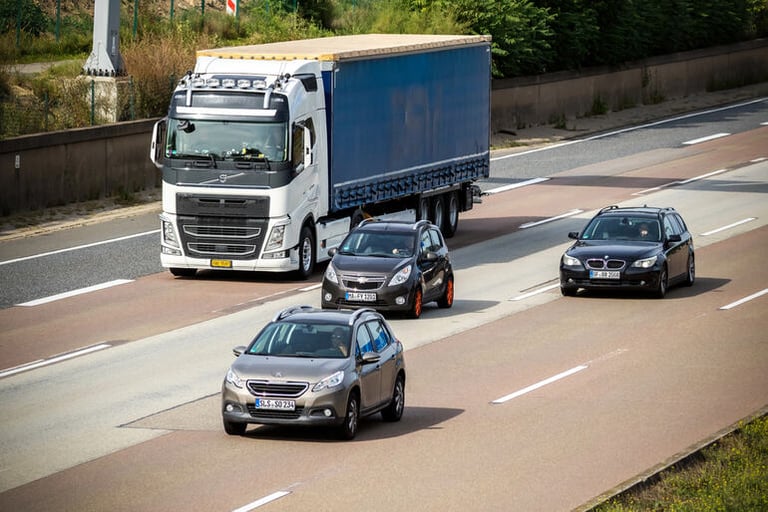
A truck’s blind spots are much larger than those of a typical passenger vehicle, particularly along the trailer and near the rear corners. Into those zones, the driver can be taken aback by an accident and vanish from their visual range as they hit a highway departure. Risks become greater when traffic is heavy and traffic moves in and out of lanes. A truck driver may begin moving over based on what they can see, leaving a hidden car with very little room to escape. Before passing, make sure you have enough space to move through the truck’s blind spot quickly. Also, avoid cutting back into the truck’s lane too soon, since the trailer needs room to clear your vehicle safely.
Following Too Closely
When following a truck, you may have very little visibility of what is on the road in front of you. The restricted visibility makes a normal driving experience very hazardous if traffic begins to slow down or the truck brakes abruptly.
A safer following distance gives you more time to react to:
- Sudden traffic slowdowns
- Emergency braking
- Road debris
- Changing road conditions
Also, the weight (or mass) of trucks is considerably more than that of passenger cars, and this can contribute to longer stopping distances. These margin tolerances make you more likely to react (or not react) and be safe!
Misjudging a Truck’s Stopping Distance
Slowing down may seem much more time-consuming, even if a truck is far enough away to change lanes. Stopping suddenly or a driver cutting in front can cause a driver to have very little space to stop and avoid a collision. FMCSA research indicates that under optimum conditions, a loaded tractor-trailer traveling at 55 mph might need approximately 196 feet to come to a halt. A passenger car traveling at the same speed could require about 133 feet or so, hence the need for extra distance for trucks to slow down. There are other factors, such as weather, road conditions, and traffic, that can have a further influence on stopping distance. More room equals more time for everyone to react in the event that traffic suddenly slows.
Passing Trucks Without Enough Space
It’s easy to overestimate how much space you have to move around in the truck, but if you find yourself halfway, you discover that it was closing all along. The caution flag is to be wary when overtaking trucks, as they may not be able to accelerate as rapidly as you will when passing, and a car approaching might put you in the line of fire.
Watch the Available Gap
Before moving around a truck, look beyond the vehicle and assess the road ahead. A clear path should remain available for the entire maneuver, not just when you first begin passing.
Avoid Lingering Beside the Trailer
Staying alongside a truck for too long can leave you with limited options if traffic changes unexpectedly. One of the most practical driving tips is to move through the truck’s blind spots promptly while maintaining a steady speed and safe control.
Give Yourself Room To Return
Moving back into the lane too early can leave the truck with little reaction time. Make sure you have passed far enough ahead before merging back, particularly when traffic is moving quickly.
Ignoring Truck Signals
Driving beside a truck is more challenging than driving on the roadside of the truck. In case of sudden changes in traffic or on the road, the signals can provide some tips to the driver on what to do next. If you see the flashing indicator, don’t assume that the truck is about to move, but you should consider your position again. Be aware of the driver’s activity and give yourself time to interpret it if you are not familiar with it.
Pay attention to:
- Turn signals
- Brake lights
- Lane changes
- Hazard warnings
What To Do After a Crash With a Commercial Truck
To avoid being in an accident with a commercial vehicle, even if you follow the rules of the road. It’s possible you’re driving normally and hit a commercial vehicle. Pre-interest should be placed on getting to safety, calling the emergency services, and then treating any injuries that are sustained. Write an account of what you saw next. Photos, witness information, police report,t and medical records can help you make your case clear.
The claims process in commercial truck cases is often complicated by a number of complex federal regulations, multiple potentially liable parties, and even more aggressive corporate insurance companies. Before calling an insurance company for a compensation call, consider consulting a qualified truck accident injury attorney in your state. For instance, if you have been injured in an accident in Texas, the Williams Hart & Boundas law firm will be able to advise on your rights, understand the specifics of your accident, and recommend steps you may take to pursue your recovery of damages.
Making Safer Choices Around Trucks
Commercial trucks are a common feature of the road, and knowing how to operate them can be important. Being aware, sensitive,ive and mindful of their space and potential hazards can minimize the risk of a collision that could have been avoided. Still, not every truck crash can be avoided, even when you’re driving responsibly. Practicing an eco-drive. The method can lead the driver to a safer awareness of their actions while operating a vehicle. Although it is rare, accidents do happen.
If you have been injured as a result of an accident or suffered an unexpected loss, it might be advisable to seek some legal counsel to understand what your options are and try to maximize your interests. But it can also be a very bumpy road with regard to your personal life, particularly if you are dating or starting a new relationship. While you’re working out the logistics of your accident, it can help to acknowledge and accept your feelings, set realistic expectations, and allow yourself time to heal and maintain healthy relationships.


Comments 0
No Readers' Pick yet.