







THCA Hybrids: Why Almost Everything on the Menu Is One
 Story by:
Cannabis Blog
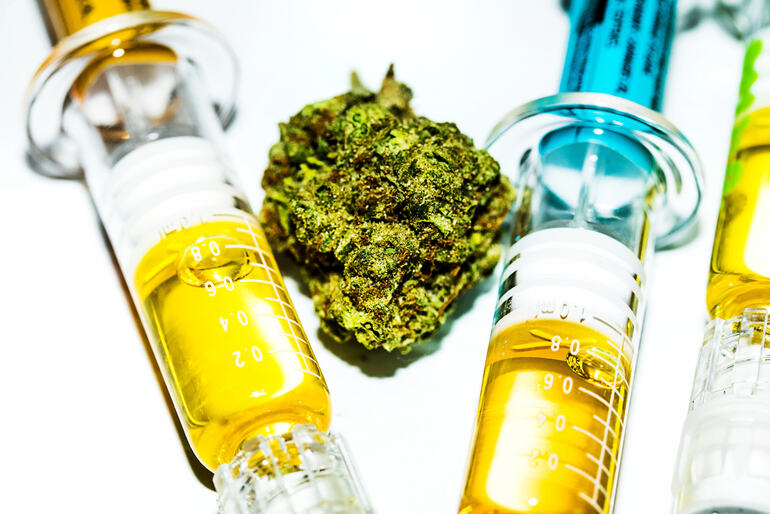
Scroll through pretty much any hemp flower menu, and you’ll notice hybrids everywhere. Pure sativas and indicas are harder to find. That’s not a marketing trick. Decades of crossbreeding mean nearly every modern strain carries traits from both sides of its family tree.
Dating also involves understanding the influences people bring into a relationship, as family backgrounds, personal experiences, and shared values can all shape compatibility and the connections people build. If you’re shopping for THCA hybrid flower for the first time, it helps to know what the label tells you and, just as important, what it doesn’t.
What Makes a Strain a Hybrid
Hybrids are simply strains that have been bred from parents with different genetics. Traditionally, hybrids were created by crossing sativa-type plants (tall with slender leaves) and indica-type plants (short with broad leaves). This was done to create the best possible strain by combining sativa and indica characteristics, such as improved taste, higher yields, increased resin production, and quicker growth times.
Most strains available today are now crossed to some degree. So, if a flower is labeled a hybrid, it is most likely a clear indication that it has genetics from both parent strains.
Types of Hybrids
Hybrids are often categorized into three main types:
- Balanced hybrids: Have relatively equal indica and sativa genetics.
- Sativa-dominant hybrids: Have more sativa genetics and are often described as bright and uplifting.
- Indica-dominant hybrids: Have more indica genetics and are often described as heavy or relaxing.
This should be taken as a general guide. The experience of a strain will depend on all the chemical components present, how much you consume, and your body chemistry.
The Label Matters Less Than the Terpenes
More and more researchers, and plenty of longtime buyers, agree that sativa, indica, and hybrid are pretty rough shorthand. Two strains both labeled hybrid can smell and feel totally different. The terpene list on the lab report is usually a better guide.
Here are some terpenes you’ll see a lot in hybrid flower and what they tend to smell like:
| Terpene | What it smells like |
| Myrcene | Earthy, musky, ripe fruit |
| Limonene | Lemon, orange peel |
| Beta-caryophyllene | Black pepper, spice, wood |
| Pinene | Pine, fresh herbs |
| Linalool | Flowers, lavender |
| Humulene | Hops, earth, wood |
When you find a hybrid you like, jot down its top two or three terpenes. Then go looking for other strains with a similar profile. That works a lot better than shopping by category.
Common Families
Many of the popular strains available today can be traced back to a few key hybrid families.
- Cookies: Offers a sweet, biscuity, and earthy aroma.
- Gelato: Has a creamy, dessert-like aroma with a fruity twist.
- Runtz: Has a sweet candy aroma with bright fruity notes.
- Blue Dream: Has been a popular choice for many years, with its sweet berry aroma.
- Wedding Cake: Has a sweet vanilla aroma with earthy and slightly peppery notes.
These strains are often seen on THCA menus and are frequently used as parent strains.
Finding the Right Strain for You
Start with the aroma. Do you like citrus, dessert, berry, gas, or earthy notes? Choose a strain that sounds good to you. Then, check the terpene breakdown on the COA. Potency can be important, but THCA percentage alone does not determine the overall quality of flower. The terpene profile and freshness are also worth considering. Ensure the flowers have been harvested and tested recently. Also, make sure the dates match the batch you are purchasing.
Consider how someone approaches dating with Bond by looking at their preferred environment, social habits, and lifestyle. These factors can influence the kind of connections they seek, the experiences they enjoy, and the compatibility they find with potential partners.
Why Hybrids Are Great to Start With
If you’re new to this, hybrids offer a wide variety of options without being extreme. There are so many strains in this category that you have plenty of different aromas to try and discover what you like.
Write a quick note on each strain, including the name, terpenes, and your thoughts. Patterns will quickly begin to show.
If you’re an experienced user, hybrids are where a lot of the exciting new breeding is happening. New crosses constantly appear with unexpected combinations of aromas, often combining candy with fuel or citrus with a creamy finish.
Storing Hybrid Flower
As terpenes are what make each hybrid unique, they can degrade over time. Store flower in an airtight glass jar in a cool, dark place. Use 58%–62% humidity sachets. Don’t store it in the freezer. Only grind the amount you need.
Legal Information
When heated, THCA converts into delta-9 THC. Therefore, THCA hybrid flowers come with the same considerations as regular cannabis. Federal hemp laws are moving toward a total THC measurement that includes THCA. Many states have restrictions in place. Check what applies in your area. Only purchase if you are 21+. Start with a small amount and never drive after use.
The Short Version
Hybrids dominate THCA menus because modern breeding has blended the genetics of countless strains. Dating also brings together people with different backgrounds, personalities, and life experiences, making individual compatibility more nuanced than a simple category or label might suggest.
The label is a starting point, but terpenes, freshness, and how it was grown tell you a lot more about what’s actually in the jar. If you want the backstory on how these categories came about, this overview of how cannabis strains are named and classified is worth a look.


Comments 0
No Readers' Pick yet.