






How Modern Flow Measurement Technologies Support Efficient Water Resource Management
 Story by:
Technology Blog
Water is also a precious resource, necessary for food production, industries, energy production, and life for millions of families in the United States. Communities, however, have increasingly found their efforts to manage this resource more efficiently difficult due to the need for aging infrastructure, a longer drought season on the Western end of the range, and more urban populations.
There is not only the question of sufficiency of water, but also of the manner, terrain, and the sustainable and equitable distribution of water, for which Water is the key. Each of the concerns raised points to: Trust and responsibility in relationships in daily life; How to build a date; How to communicate; How to balance individuals’ needs to ensure meaningful relationships. Modern flow measurement technology will help utilities, municipalities,s and industries that are seeking ways to capitalize on limited water resources and to help their communities thrive, providing the right information at the right time.
The Growing Pressure on America’s Water Systems
Water systems are increasingly under stress throughout the U.S.Water systems are increasingly stressed across the United States. The river’s water is fed to approximately 40 million people in seven states as it floods to record low levels. Meanwhile, cities like Phoenix, Austin, Atlanta, and others are rapidly expanding and contributing to the strain on already overstressed supplies. The nation’s drinking water systems have all been rated “C” or below by the American Society of Civil Engineers due to the billions of dollars in unmet needs that require repairs and upgrades.
It is important to have an accurate measurement at this time more than ever. No water manager is able to estimate the amount of loss, design water systems to achieve optimal flows and volumes,mes or make future projections without adequate information on flows and volumes. It can be easily said that there are available today a great deal more advanced tools than there were in the decades gone by.
From Mechanical Meters to Smart Monitoring Systems
The traditional flow measurement method relied on mechanical devices that needed manual reading and regular maintenance. These tools provided limited information and tended to lose their accuracy as time went on. Things have changed altogether with modern solutions.
Several technologies for measuring flow are in use today, such as:
- Flow meters that operate without obstructing the pipe with sound waves that measure flow are called ultrasonic flow meters.
- For conductive liquids and sewage, electromagnetic meters are ideal.
- Level and velocity sensors are combined into a single instrument in the area velocity sensor. Open channel level and velocity sensors are combined into the area velocity sensor.
- Smart sensors and remote telemetry monitoring systems enable immediate transmission of data to a central management system.
These are innovations that enable utilities to continuously track these conditions without having to do so manually once a certain time period has passed. The end product: Early leak detection and blockages, along with other problems that cost money and waste water.
Why Accuracy Matters for Water Utilities
Water utilities must be accurate even with slight measurement error, as this can have serious environmental and economic costs. Understand that only a few percentage points difference in flow can result in millions of gallons of unaccounted-for water in a year at the meter. With some estimates of non-revenue water losses in some systems reaching 30 percent in a country, it becomes easy to say that addressing the accuracy of measurement brings an obvious benefit to the recovery of lost revenue and resource conservation.
Accurate measurement also helps to ensure compliance with regulations. EPA has very tough standards for water quality and discharges, and utilities are required to prove that they meet those standards. Compliance is documented with reliable flow data, and penalties are avoided by simply having the documentation.
Real-Time Data and the Rise of Smart Water Management
The collection and analysis of real-time flow data is one of the most influential changes in the recent history of hydrologic data. Operators can view what is going on in their system moment by moment, rather than having to wait for the monthly reports. This ability will allow you to address issues before they arise instead of after.
In case of an abrupt increase in flow, this could be due to a burst pipe. Real-time monitoring enables crews to be immediately deployed to prevent water wastage and help avoid damage to physical assets. A manual system, however, could fail to notice the issue for days on end. This sort of responsiveness is priceless for some cities in America with old pipes and also the drastically changing climate.
Instruments like those offered through Teledyne ISCO flow measurement solutions are designed to deliver this level of precision and reliability, helping utilities and industrial facilities stay ahead of potential issues.
Applications Across Industries
Flow measurement isn’t limited to municipal water systems. A wide range of industries depend on accurate flow data to operate efficiently and responsibly.
Agriculture
Water use in agriculture is a significant portion in states such as California, Arizona, and Nebraska. More farmers are using flow meters to measure and keep track of irrigation water levels and times to apply the correct amount of water at the proper time. The accuracy benefits not only the health of crops, but also minimises waste, especially as water sources become increasingly limited.
Manufacturing and Energy
Water and other fluids need to be controlled in industrial processes to a high degree of accuracy. Flow measurement can help manufacturers to assure the quality of their products, prevent waste,e and make environmental law compliance possible. In many applications, including power plants and for process optimisation in refineries and chemical plants, to minimise impact on the environment, flow information is of critical importance.
Stormwater and Wastewater Management
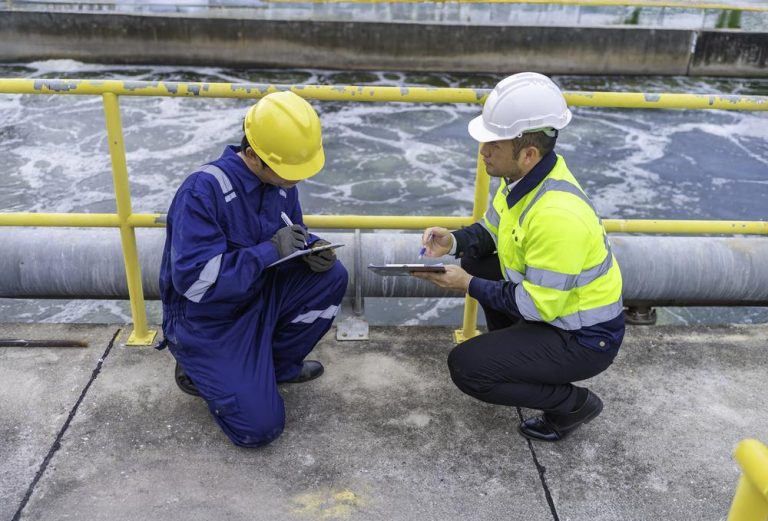
Communities need to control stormwater runoff and process wastewater before returning it to the environment. Flow measurement is required for sizing treatment systems, to assess infiltration and inflow issues, and to ensure treatment is meeting the requirements of the permit. Climate change is causing more “strong storms” in many areas around the country, and these systems are being strained.
The Role of Technology in Sustainability
Sustainability has become a central goal for water managers across the United States, with sustainability goals extending beyond water conservation to reducing energy consumption, reducing chemical use, reducing the amount of new infrastructure, and increasing the lifespan of existing infrastructure. Modern flow metering meets all these aims with precise measurements that can assist utilities in making informed decisions, becoming more efficient, and better managing their water resources.
The assessment can, for example,e help detect leakage and losses and save utilities on the energy needed to pump and treat water. They can help reduce the use of chemicals by optimizing treatment processes. By giving you information to assist in making maintenance decisions, they can help to make your pipes, pumps, PS, and other assets last longer. These are savings in an era of many utilities which must do more with less.
Choosing the Right Flow Measurement Solution
With so many options available, selecting the right flow measurement technology can seem daunting. The best choice depends on several factors, including the type of fluid being measured, the size and configuration of the pipe or channel, the required accuracy, and the available budget. Careful evaluation of these factors can support supply improvement by helping utilities choose reliable equipment that enhances operational efficiency and meets long-term water management needs.
Key considerations include:
- Application requirements: Is the flow open channel or closed pipe? Is the fluid clean, or does it contain solids?
- Environmental conditions: Will it reside in extreme temperatures or corrosive debris or materials?
- The app has to supply data: Does the application need to be real-time, or is there enough to do with periodic data?
- Integration requirements: Is it a requirement for the platform to be integrated with existing SCADA or telemetry systems?
Collaborating with professional suppliers and consultants can ease some of these choices and solutions into routine for utilities and businesses and lead to long-term value.
Overcoming Common Implementation Challenges
As far as effectiveness is concerned, however, while the technology may be good, it is not always effective if not implemented properly. Typical pitfalls include data management protocols that are not clearly defined, collaboration problems, and staff training. It can save the trouble of expensive problems later on if they can be avoided by addressing them in the first place.
Utilities should also plan for ongoing maintenance and calibration of flow meters in water systems. While modern flow meters are more durable than their predecessors, they still require periodic attention to ensure accuracy. Building these activities into regular operations helps avoid unexpected issues and keeps water measurement systems performing at their best.
Looking Ahead: The Future of Water Management
In the United States, the next generation of water resources management will feature ongoing technology improvements, shifting regulations, and growing climate change pressures. These efforts will continue to be focused on flow measurement, which will continue to provide the valuable data essential to support informed decision-making.
New advancements include growing applications of AI in water flow analysis, the spread of wireless sensor networks, and the increased interconnection of these water and energy systems. As these new and emerging technologies mature, they hold great promise for enhancing the efficiency, resilience, and sustainability of water systems.
The Future of Smarter Water Management
Efficient water resource management is one of the defining challenges of our time, particularly in the United States, where many regions face serious supply constraints. Modern flow measurement technologies, supported by advances in measurement technology, propose solutions, such as those offered by the ARCS within AwareSens, with the accuracy, reliability, and real-time information that utilities and industries require to work in a responsible manner to address this challenge.
Even if it’s identifying leaks or optimizing irrigation and ensuring compliance with regulatory standards, these solutions apply to all aspects of water management. Clear information is important not only for infrastructure, but in dating it is essential for establishing good relationships to have clear communication and understanding. The installation of these advanced measurement instruments and their judicious use will help organizations save water, save money, and promote a sustainable future for people nationwide.


Comments 0
No Readers' Pick yet.