







Best Roofing Materials for Coastal Fog and Salt Air
 Story by:
Home Improvement and DIY Blog
Story by:
Home Improvement and DIY Blog
There are some issues with beachfront property ownership, such as the selection of building materials. Having a home that is right on the waterside, with a wonderful view, refreshing breezes, and a special atmosphere, is a very special thing. In addition to the setting itself, an environment such as this can influence the manner in which individuals relax, socialize, and enjoy quality time together, making it an attractive setting to enjoy shared experiences and connections with others. Heavy moisture, fog, wind, and road salt contribute to accelerated corrosion and deterioration on the roof surface and damage the roof. In addition to the visual and cost considerations, selecting roofing materials for coastal areas from a San Francisco roofing company is a crucial decision that helps to protect the home.
Why Do Coastal Homes Need Special Roofing Materials?
If the roofing material comes into contact with salt and moisture, it will lead to extensive corrosion of metals and metal fastenings. Condensation, as well as the formation of fog on the roof surface, will also add to the problem of moisture.
What Features Make a Roofing Material Suitable for Coastal Conditions?
Features of corrosion-resistant roofing materials used in salty surroundings would include the following:
- Water-repellent: The roofing material should avoid any penetration of moisture from the surroundings into the building interior.
- Fights against corrosion: The material should not be susceptible to corrosion by salt air.
- Resistance to the wind: In windy areas in coastal regions, secure installation and materials suitable for particular wind resistance are important.
- Low maintenance: Materials that require little to no maintenance can prove to be very useful in areas with recurrent salt deposits and moisture.
- Long-term durability: A sturdy roofing structure can decrease the frequency of having to replace roofs and long-term maintenance expenses.
- Ineffective fasteners and flashing: If fasteners, flashing, or other parts are not compatible with the environment, even the most corrosion-resistant roofing material can fail.
How roofing materials for salt air are installed is as critical as what they are, which is why it is important to enlist the help of professional companies such as Roofworx. It doesn’t matter how good the roof is; it will always pose a problem if it is installed incorrectly.
What Are the Best Roofing Materials for Coastal Fog and Salt Air?
The proximity to the sea has a lot of advantages, such as fresh air, quiet surroundings, and a laid-back lifestyle. The very place that makes it desirable for the home to be located on the coast, however, can also pose additional demands on the roof of the house. Homeowners who wish to enjoy time with family, friends, or someone special in a comfortable environment where they are protected from the elements will experience the effects of salt air, persistent moisture, fog, and strong winds gradually on roofing materials, making the choice of roof extremely significant for such individuals. Choosing the best roofing material can help coastal homeowners better withstand these conditions while maintaining the roof’s durability and performance. So, what materials would be the best choices for roofing in coastal fog and salt air?
Aluminium Roofing
Aluminium roofing is one of the most robust roofing materials for salt air. Aluminium has a natural resistance to corrosion and is not prone to rusting like other steels. It is also relatively light and can be integrated into many residential structures. A good factory finish will offer an extra level of protection, plus give a homeowner a variety of styles.
Copper Roofing
Other popular roofing materials for salt air include copper roofing. It tends to acquire a protective patina with age, thus potentially acquiring resistance to the elements. Copper is costly, but very durable and is good for homeowners who intend to live in their home for substantial periods.
Coated Metal
Good quality coated metal roofing can last between 40 and 70 years. Standing-seam systems have only a limited number of exposed fastenings and can be watertight as long as they are professionally installed. But homeowners should select products that are rated for coastal environments and not presume that all metal roofs will prove to work equally in the outdoors.
Clay and Concrete
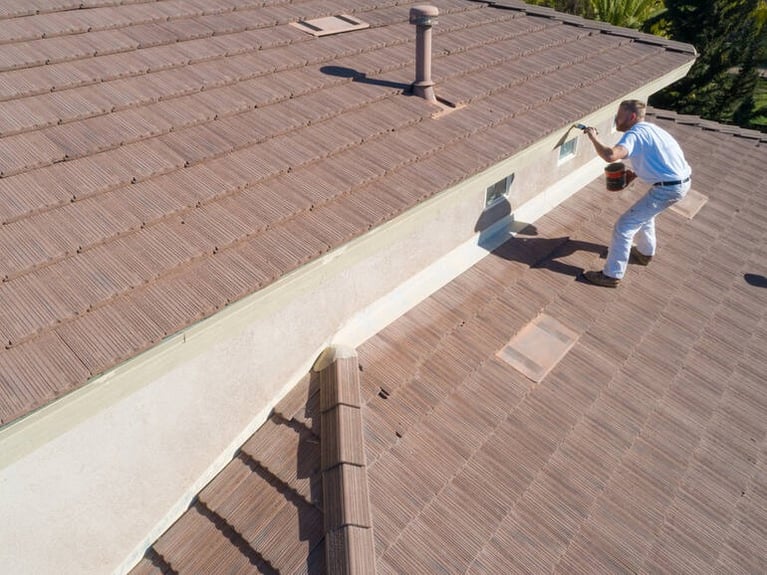
In some coastal areas, clay and concrete tiles may be appropriate roofing options for coastal climates. Moisture-repellent, carbon-resistant, and weatherproof in many ways. They are, however, heavy, so the structure of the house’s roof should be checked prior to installation. There are also clay tiles and concrete tiles which can have a long life span, but must be taken into account the weight and the chance of cracking must be taken into account.
When selecting materials that have durability along with practicality for a space, it may make a huge difference to make the home environment comfortable and positive, particularly if the space is to be used for relaxation time, as well as hosting guests and spending time with somebody special. Starting home building in the coastal regions, for example, will require them to hire a reliable and trusted roofing contractor in the vicinity, who will help them pick some of the corrosion-resistant roofing materials.
Which Roofing Materials Should Be Avoided in Coastal Areas?
However, not all materials used in building the roof are fully immune to the corrosive effects of salts and moist air. If the protective coating is compromised, corrosion will occur on the steel parts. The same can apply to wooden shakes and shingles, which is why it is important for homeowners to think about their budget and season when selecting the materials for roofs and maintaining the roofs. Wood such as cedar, for example, is useful for the roof of numerous houses, but the possibility of mold, mildew, and rot increases tremendously when there is any moisture present.
How Do Different Coastal Roofing Materials Compare?
| Roofing Material | Salt-air resistance | Durability | Maintenance | Cost |
| Aluminium | Excellent | Excellent | Low | High |
| Coated Metal | Very Good | Excellent | Low | Medium-high |
| Clay/Conrete Tile | Excellent | Excellent | Low-medium | Medium-high |
| Architectural Shingles | Moderate | Good | Moderate | Low-medium |
Protecting Your Home in Coastal Conditions
When choosing materials for roofing in coastal areas, salt air, fog, moisture, and wind should be considered. Tiles are also a good choice in severe coastal salt-air areas, whereas aluminum, coated metal (like copper), and some tile products are better for these areas, and premium asphalt shingles can be a more economical choice in moderate coastal environments.
If you select the proper material and install it correctly, you may have a safer roof and one that will avoid some future issues. All the same, the focus on making a comfortable and secure home can also make a seaside property more inviting for social occasions, with a helpful guide for everyone, leisurely evenings, and quality time with somebody special.


Comments 0
No Readers' Pick yet.