








Why Skilled Mechanics Gravitate Toward Salvage Vehicles
Rising costs and shrinking margins are driving mechanics to salvage auctions, where wrecked cars become lessons in value, skill, and survival.
 Story by:
Technology Blog
Story by:
Technology Blog
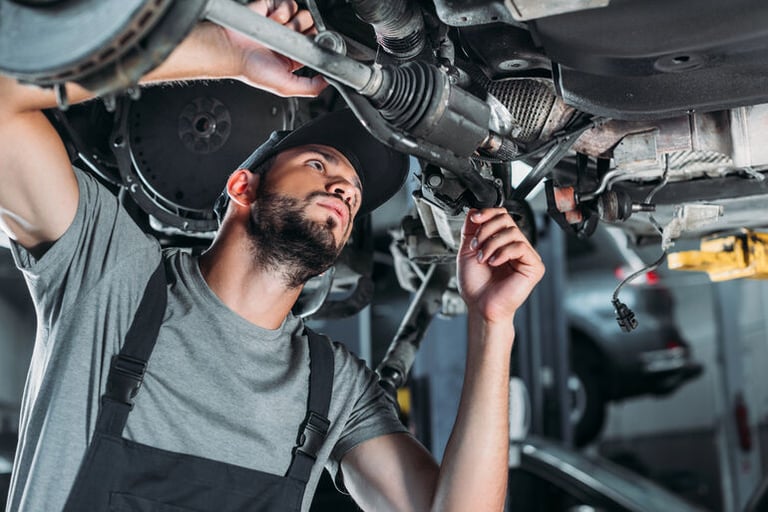
Across garages, vocational schools, and independent repair shops, a clear pattern repeats. Instead of browsing dealership lots, experienced mechanics head straight for auctions offering salvage vehicles for sale. These buyers see more than damage; they see potential. A bent fender or missing bumper isn’t a deterrent; it’s a project waiting for the right hands. Salvage inventory appeals because it redefines value.
Instead of paying for warranties, financing plans, and showroom polish, mechanics invest in metal, structure, and what they can rebuild. They rely on their tools, training, and time, not retail markups. In a similar sense, people who approach dating with that same mindset often find the most meaningful connections. They don’t chase perfect profiles or glossy first impressions; they look for depth, honesty, and potential beneath the surface. Real attraction grows when you value what can be built together rather than what looks flawless at first glance.
The Economics Behind the Appeal
Vehicles marked as salvage typically trade at 30–60% below clean-title equivalents. To an average consumer, that discount signals risk. To a mechanic, it represents margin. Labor is the most expensive component of repair; remove that cost, and the balance sheet changes immediately. Someone with a lift, diagnostic scanner, and welding setup can rebuild a car at parts-only expense. What others label a wrecked car becomes a predictable repair exercise with clear inputs and measurable results.
The cost advantage grows when buyers apply selective standards. A professional restoring a car for personal use can accept cosmetic blemishes that others reject. Scratched paint or minor misalignment doesn’t affect function, and that flexibility trims hours and parts from the rebuild timeline. Shops often treat damaged cars for sale as sources of components rather than future drivers. A single donor car might supply transmissions, control arms, or full wiring harnesses to multiple customer projects. Once stripped, the shell still carries scrap value, extending returns well beyond the initial bid.
Repair Frameworks and Margin Discipline
Mechanics approach each vehicle with a clear method. They catalog visible damage, calculate replacement hours, and estimate costs conservatively. An accident that totals a car for an insurer might take a skilled team a few weekends to repair. Partial restoration, fixing what matters, not what shines, delivers the best ratio of effort to value. Suspension, frame, and safety systems always come first. Paint and trim follow only if time or resale plans justify them. In this ecosystem, rebuilding salvage cars turns totaled vehicles for sale from dead assets into projects priced by effort instead of emotion.
Building Skill Through Salvage
Many professionals view salvage work as continuing education. Tackling accident-damaged cars for sale forces them to solve real-world engineering puzzles. Every collision type presents new learning: twisted subframes, electrical faults, or airbag system resets. Younger technicians often join these projects as apprentices. Under supervision, they handle disassembly, cataloging, and reinstallation, tasks that teach how vehicles fail and recover. This informal training builds mechanical intuition that no online course can replicate.
As projects grow in complexity, flood damage, rollovers, or hybrid repairs, skills expand further. Diagnosing moisture intrusion across dozens of sensors or aligning a bent unibody deepens diagnostic accuracy. These capabilities later translate into faster customer repairs and broader service capacity. Over time, salvage familiarity becomes a quiet credential. A mechanic who can rebuild a salvage car for sale from the frame up can handle nearly anything that rolls into the bay.
Sourcing and Inventory: The Junkyard Advantage
A shop with consistent access to junkyard cars for sale gains independence from fragile parts supply chains. Instead of waiting weeks for back-ordered components, mechanics walk their own yard or strip donor vehicles in storage. This self-reliance is especially useful for models where OEM parts are discontinued or aftermarket versions prove unreliable. A used sensor pulled from a wreck can restore full function at a tenth of the cost of new stock. Many rebuilders focus on specific brands. A specialist in Japanese sedans or pickup trucks might acquire several wrecked cars per year, dismantling and labeling engines, doors, and electronics for organized reuse.
This inventory doubles as revenue: unneeded parts sell online, fueling cash flow between customer jobs. A single decision to buy wrecked cars can feed a workshop for months. The donor becomes both a teaching tool and a parts warehouse. Relationships can work in a similar rhythm. Every connection, successful or not, adds something to your emotional toolkit. A conversation that didn’t lead anywhere still sharpens your communication. A brief spark that faded still teaches what you value. Each experience, even the ones that don’t last, helps sustain growth for the next chapter, much like practical services for men that focus on rebuilding confidence, purpose, and emotional clarity after setbacks.
Navigating Titles and State Rules
Restoring salvage units requires paperwork as much as patience. Each state defines salvage, rebuilt, and reconstructed titles differently. Mechanics familiar with local laws plan projects accordingly. Re-registering a salvage unit involves inspection, documentation of replaced parts, and sometimes a law enforcement VIN verification. In some regions, a rebuilt title allows full road use once the car passes structural and safety tests. In others, a “salvage” brand limits driving privileges or resale.
Professionals check regulations before purchase, avoiding legal dead ends. They confirm that even if a salvage car for sale can be retitled in their state or only be dismantled for parts. This diligence prevents financial waste and keeps operations compliant. For personal vehicles, the process is simpler. The owner documents repairs, schedules an inspection, and registers the car. The resale value may remain lower due to the title, but the upfront savings and intimate knowledge of the repair often outweigh the discount.
For vehicles that are beyond profitable repair or when paperwork obstacles make a rebuild impractical, mechanics often point owners toward a top-rated junk car buyer. You can get an instant quote, free towing, and same-day payment when you sell a junk car, and reputable services help navigate missing titles and state-specific requirements.
Assessing Risk and Reading Damage
Professionals bidding on accident-damaged cars for sale use pattern recognition rather than intuition. They scan auction photos for twisted rails, compromised suspension mounts, or uneven door gaps. They avoid flood exposure unless electrical restoration is part of their expertise. A faint water line or rust pattern on seat frames can indicate deeper corrosion within wiring harnesses. Similarly, creased roof pillars or distorted door openings suggest structural misalignment that even frame machines struggle to correct. Airbag deployment is another cost marker. Replacing modules, sensors, and belts can push repair costs past profitability. Still, if a totaled car for sale retains an intact powertrain, it may justify purchase for parts alone.
Experienced mechanics develop checklists. They identify safe bets, cosmetic front-end hits, side scrapes, or hail damage, and skip hidden nightmares like firewall intrusion or flood contamination. The same kind of discernment matters in dating. People who pay attention to emotional red flags early on save themselves the drain of fixing what’s already beyond repair. Knowing what’s worth investing time in and what’s better left untouched turns dating from trial and error into something more intentional and fulfilling.
Salvage as Long-Term Strategy
Some shops treat salvage vehicles as investment portfolios. They maintain three or four ongoing projects: one nearing completion, one mid-repair, and one waiting on parts. This rotation keeps the workflow steady between customer appointments. Finished vehicles also function as emergency assets. When slow seasons hit, selling a rebuilt unit can cover rent or payroll. Even modest profit margins accumulate across multiple sales per year, providing a financial cushion for small operations. The model scales naturally and reflects the broader salvaged vehicles market, where steady craftsmanship and patience often outperform quick flips. A two-person garage completing four repairs annually at roughly $4,000 profit each adds an extra $16,000 to revenue. It’s not speculation; it’s disciplined diversification within a trade already centered on repair and reuse.
Managing Uncertainty and Cost Control
Working with salvage vehicles for sale always involves risk. Hidden frame stress, unseen electrical damage, or misrepresented titles can turn profit into loss. Skilled rebuilders mitigate these variables through inspection routines and conservative bidding. They also budget realistically. Parts estimates include 10–15% buffers for surprises, broken fasteners, paint blending, or electronic calibration. Documentation remains part of the process: keeping photo logs protects against inspection disputes and supports resale transparency. Because salvage projects use existing infrastructure, shop space, tools, and downtime, they transform idle capacity into value. This efficiency explains why the model endures even as vehicle technology evolves.
The Knowledge Dividend
Beyond income, salvage projects offer knowledge dividends. A mechanic rebuilding damaged cars for sale encounters every subsystem in its rawest form. That exposure accelerates technical growth far faster than routine maintenance work. Understanding how energy travels through a crash frame or how sensors misreport after impact sharpens diagnostic intuition. The experience eventually shortens repair times on customer vehicles, boosting shop productivity. For young technicians, salvage work builds mechanical confidence. Completing a full restoration from assessment to final alignment proves competence that resumes or classroom grades cannot convey.
Why Salvage Still Makes Economic Sense
The salvage trade persists because insurance companies prioritize efficiency over precision. Settling a claim quickly costs less than managing a complex repair. That gap leaves room for capable mechanics who can restore vehicles safely for far less. Information also favors the experienced. Casual buyers see chaos in a bent chassis; professionals see solvable geometry and known replacement costs. This difference in perception maintains opportunity within the salvage market.
At the same time, modern tools, digital frame measurement, OEM diagnostic software, and extensive online parts catalogs make rebuilding easier than ever. The knowledge that once belonged to factory service centers now circulates freely. As long as insurers write off cars faster than repair shops can fix them, there will be a steady supply of damaged cars for sale and junkyard cars for sale ready for new life. Mechanics with time, discipline, and curiosity will continue to extract value that others overlook.
A Sustainable Form of Expertise
Repairing and reusing salvage vehicles for sale supports both economic resilience and environmental responsibility. Restoring existing materials avoids the energy cost of manufacturing new ones. Even dismantled vehicles contribute through metal recycling and parts resale. This ecosystem thrives not because it’s glamorous, but because it’s practical. It rewards competence, documentation, and patience, the same traits that define quality repair work. Rebuilding for personal transport or managing a side portfolio of wrecked cars follows a simple principle: value doesn’t vanish in a crash; it changes form.
The same truth plays out in relationships. After heartbreak or failed connections, people often discover a new version of themselves, stronger, clearer about what they want, and more capable of love that lasts. Much like classic car trivia, where every question uncovers hidden stories and lessons from the past, growth starts when you stop seeing the past as damage and start seeing it as the groundwork for something more real.


Comments 0
No Readers' Pick yet.