







Vancouver Canucks Identity Shift: Why Their Speed and Depth Matter
 Story by:
Sports Blog
Story by:
Sports Blog
Over the last decade, the Vancouver Canucks have looked for a defined identity. They have had inconsistency over the years, including a revolving door on the coaching staff, refusing to choose a definitive look for the roster, and lots of turnover on the roster. This uncertainty developed a definable vision. The Canucks have come to the conclusion that they do not want to win multiple ways. They have tilted towards the pace of their squad and the profundity of their athletes. The decision will not only reinvent the play of them, but it will compel others to re-evaluate the play of preparing.
A lesson here is in dating, quite. When you stop trying to win every way and instead focus on your strongest qualities, things become clearer. Speed and depth on the ice translate to energy and substance in real life. If you know your pace, your standards, and what you bring to the table, you create a distinct presence. People respond to that certainty. It sets expectations early and changes the dynamic of every interaction. In both competition and connection, clarity isn’t limiting. It’s powerful.
Speed as a Modern Competitive Advantage
The contemporary NHL praises those teams that are able to process the game fast physically and mentally. Fans increasingly analyze this evolution through digital tools and mobile platforms such as MelBet apk download, where pace, zone entries, and transition efficiency are all commonplace discourse.
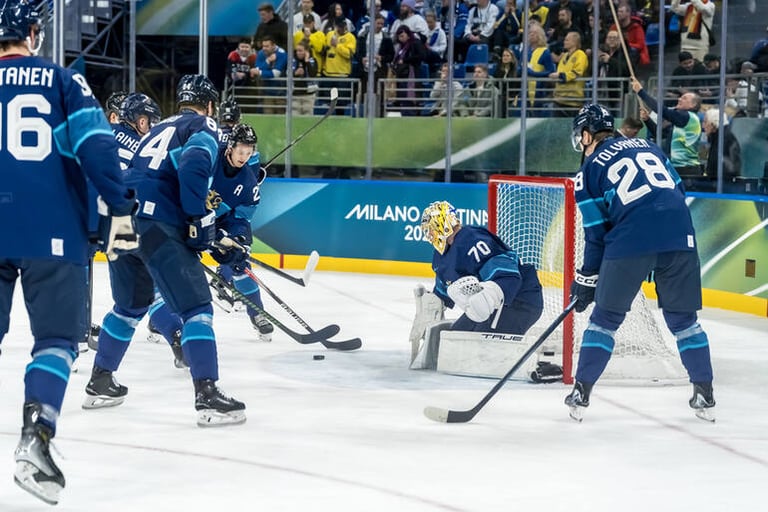
In this regard, the focus on speed in Vancouver does not seem accidental but planned. Speed for the Canucks is not limited to straight-line skating. It shows up in rapid puck movement, quick defensive recoveries, and immediate pressure after turnovers. This approach reduces time and space for opponents, forcing rushed decisions.
Depth That Sustains Pressure Over Sixty Minutes
The depth of the roster has become one of the currencies in the NHL. Although we still use star players as headline sellers, it is becoming more and more about playoff success driven by more than the top line. From a fan engagement perspective, often tracked through entry points like the Frankenstein slot machine, teams with balanced scoring and reliable secondary units generate more consistent performance trends. Vancouver’s depth allows them to maintain tempo throughout games. Opponents cannot simply survive top-line shifts and relax afterward. The pressure remains constant, which gradually wears down even well-structured teams.
A Shift Away From Star-Dependent Hockey
In previous seasons, Vancouver often relied heavily on a small group of players to drive results. While elite talent remains important, the current identity distributes responsibility more evenly. Lines are constructed to contribute specific functions rather than simply support a primary scorer. This balance has enhanced the team’s toughness, making them less predictable and harder to game-plan against, especially in multi-game series.
Transition Play as an Identity Marker
Rapid transition play shows how the Canucks are redefining themselves. There are more focused defensive actions on rapidly moving the puck to the forwards. The forwards want to make aggressive cut-off shifts to predict shifts in possession. In this manner, the Canucks do not waste time on the defensive side but take their time on the offensive side with controlled entries. Little advantages like these, compounded over time, can give a team complete possession of the ice.
Why Speed and Depth Reinforce Each Other
In the late stages of a game, speed without depth becomes ineffective, while depth without speed becomes ineffective at imposition. Vancouver has managed to unify both parts.
Some of the advantages of this integration are:
- Constant forechecking across all lines
- quicker losses after defensive breakdowns
- less wear for top players
- better matchups throughout the game
- increased robustness during congested schedules
All of these elements combine to raise the team’s base performance.
Defensive Responsibility Within a Fast System
Being a fast player does not imply being a reckless player. The defensive system in Vancouver has been more about positioning and support as opposed to being too physical. Forwards move backward forcefully, which allows defensemen to occupy gaps with a higher sense of assurance. This shared responsibility ensures that speed enhances defensive stability instead of undermining it, creating an environment for exclusive performance on the ice.
Dating works on a similar principle. When both people contribute to building trust and effort, individual strengths don’t create chaos; they reinforce the connection. One person’s energy or pace can shine without throwing the balance off, because responsibility is shared. Healthy relationships thrive when momentum and support work together, making the partnership stronger rather than more complicated.
Coaching Influence on the Identity Shift
Coaching philosophy plays a central role in shaping identity. Vancouver’s current approach prioritizes clarity. Players understand expectations within the system, reducing hesitation during high-pressure moments. Clear roles allow speed and depth to function cohesively rather than as isolated traits.
Comparing Past and Present Team Profiles
Before reviewing the table below, it is important to note that this comparison reflects strategic direction rather than overall talent levels.
| Aspect | Previous Identity | Current Approach |
| Pace of play | Inconsistent | High and sustained |
| Scoring reliance | Top-heavy | Distributed |
| Defensive support | Reactive | Proactive |
| Line impact | Uneven | Balanced |
| Game control | Situational | Systematic |
This contrast highlights how identity influences outcomes beyond individual performances.
The Psychological Effect on Opponents
Teams facing the Vancouver Canucks now prepare differently. Knowing that pressure will not ease after the first line changes alters how opponents manage energy and line deployment. This psychological edge matters, especially over long stretches of play. Fatigue leads to mistakes, and mistakes lead to scoring opportunities.
Long-Term Implications for Playoff Hockey
In playoff environments, where games tighten and officiating shifts, teams with speed and depth hold an advantage. Vancouver’s identity appears well-suited to this reality. They can adjust tempo, survive physical stretches, and maintain effectiveness even when stars are neutralized. This adaptability increases the likelihood of sustained postseason success.
The identity shift is not limited to the NHL roster. The same principles are becoming more and more the development priorities. The prospects are also judged not only based on skill, but also based on skating, decision-making, and versatility. This consistency creates continuity and minimizes the necessity of changes in the stylistic makeover in the future.
A Foundation, Not a Finished Product
The change of identity of the Vancouver Canucks is a developing process. The speed and depth are good points of departure, but still, refinement is needed. Systems are required to keep up, and the consistency should be maintained throughout a complete season. What has changed is clarity. Vancouver now has an idea of the way it wishes to win- why. The Canucks have gone beyond experimentation and into intentional building by making the commitment to speed and depth. Even if this identity keeps growing or not, it may demarcate their competitive window even in the coming years. Something is strong about that change. Many individuals in dating take the experimental stage too long and delay, but they test out various personas, change standards, and second-guess what they actually desire. It begins to grow when experimentation becomes deliberate. Just like in martial arts, where mastering styles for self-defense requires focus and consistency, you choose how you drive and the richness you require, and you cease drifting and begin to construct. Momentum is formed by a distinct identity. It determines the type of partners you would get and the type of relationships that are sustainable. With time, you have established that consistency as your advantage. And on relationships, as on competition, a clear style can determine your long-term success more than a momentary sense of thrill could ever do.


Comments 0
No Readers' Pick yet.