







Toxic Welding Exposure and Mesothelioma Risks
 Story by:
Health and Wellness Blog
Story by:
Health and Wellness Blog
In the U.S., approximately 3,000 people are diagnosed with malignant mesothelioma annually. It occurs relatively rarely, at a rate of 0.6 per 100,000 people. When significant health issues are present, challenging discussions regarding trust, support, and the future can also occur in the context of relationships. When dating someone with a major diagnosis, there’s more patience and open communication required than with a person without a major diagnosis, and this includes how health can affect their life in the future and how it can affect their day-to-day life.
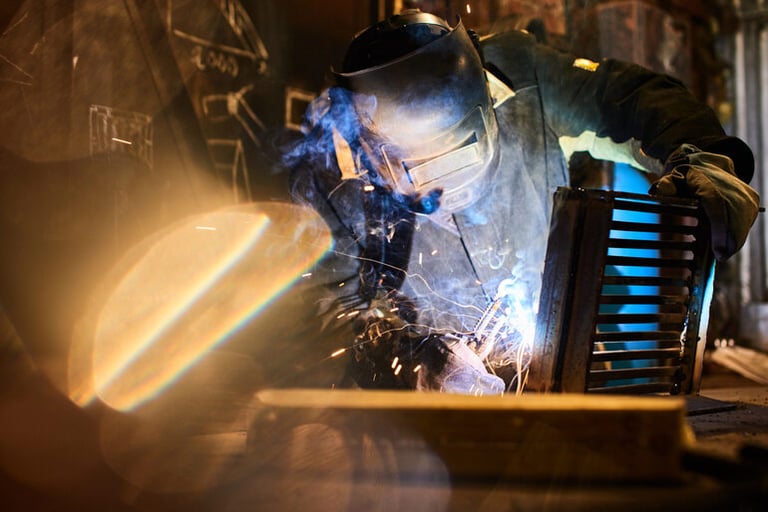
In several industries, welding is an essential process, such as in construction, manufacturing, and shipbuilding. However, the fumes and materials in the process can pose a health threat. Although there are several health risks associated with welding fumes, most mesothelioma cases are caused by asbestos. Let’s find out how toxic exposure makes welding a dangerous job and what workers should know about mesothelioma risks.
What’s Actually in Welding Fumes
Molten metal fumes carry lead and cadmium into a welder’s lungs with every breath, basically all day. Electric arc welding is what adds ozone, which irritates the respiratory system, especially after repeated exposure. For example, manganese inside welding rods can, somehow, cause a condition named manganism that brings tremors, memory loss, and also trouble with speech and balance. Seeing these symptoms, it’s clearly not subtle. Silica exposure can result in silicosis and kidney damage after a while. Chromium may irritate the eyes and throat quickly, and over the years, it raises the chance of cancer.
Where Mesothelioma Enters the Picture
Mesothelioma is a very rare cancer that targets the lungs and the lining of the abdomen. Regarding welders, exposure to asbestos is already known to be the primary cause. Initially, the disease appears to progress very slowly, which can make the risk-taking Hazard overlooks have been particularly crucial. The median survival for people diagnosed is about one year, even though there is a 20- to 40-year interval between their exposure and diagnosis. That timing comes from CDC mortality data. A welder doesn’t have to actually handle asbestos head-on to be at risk.
Older insulation, gasket material, and even building parts installed before the 1980s can let fibers out when they are heated or ground down, and those fibers can hang around in the air for a long time after the task is finished. Mesothelioma & asbestos exposure lawyer William M. Graham’s mesothelioma guide says state law creates a strict deadline for filing a claim and that welders diagnosed years after their exposure may still have multiple paths to pursue, such as workers’ compensation, a claim through a mesothelioma injury trust, or a toxic exposure lawsuit against a responsible party.
How Exposure Happens on the Job
Asbestos exposure in welding doesn’t usually come from the actual welding rod itself. Like pipe insulation, older gaskets, protective blankets, and structural material that was made before asbestos use really started.
When those things get heated or even just ground up, they can release fibers small enough to stay floating in the air for hours, particularly if the space isn’t ventilated well. And those fibers can also land on your clothing. With it on your person, travelling with you to your home, sometimes family members end up with an asbestos-related illness even if they never stepped on a work site.
Symptoms Worth Taking Seriously
The first symptoms that patients usually complain about include having a constant cough, chest pain, and trouble breathing. After which, unexplained weight loss and fatigue follow. Early recognition of these symptoms and treatment may help improve health outcomes. At times, a swollen abdomen or the presence of a tumor may be observed, which will be accompanied by a fever or night sweats.
What makes it challenging to solve the problem is that symptoms appear many years later. The harder part is that they look similar to the symptoms of common respiratory diseases, which causes people to ignore them. When an individual with welding experience has such problems, they need to discuss the possible exposure to asbestos with a doctor immediately.
Reducing Exposure on the Job
Respiratory protection matters in poorly ventilated areas, where vapors and tiny particles gather quickly. That’s why exhaust fans plus fume extraction systems are supposed to tug contaminants away from a welder’s breathing zone, not just leave them to stack up. Also, doing regular equipment inspections can spot small leaks before they turn into a long-term exposure source, instead of something that looks like a one-time incident. Of course, none of it removes danger completely, but steady use of protective gear, good ventilation, and paying attention to what is actually in the materials being welded reduce exposure.
Treatment After Diagnosis
Surgery, chemotherapy, and radiation are the usual treatment tracks, and often they’re used together, depending on how far the disease has gone before it’s caught. Clinical trials can also give people access to therapies that are not widely available yet, which sounds hopeful but is still very case-specific. The significance of palliative care cannot be overlooked either, since it pertains to symptom relief and quality of life. In order to find out what is going to be the optimal balance, it all depends on the specific case; hence the need for an initial discussion with an oncologist.
All of the above does nothing to change the fact that welders’ exposure to asbestos is preventable and that there is no cure for mesothelioma if diagnosed. For welders, this means it’s critical to take the necessary precautions, including wearing respirators, ensuring adequate ventilation, being aware of what you’re working with, and taking precautions seriously. It’s the same kind of consciousness that can be helpful when dating, too; by being mindful about boundaries, communication, and personal safety, more comfortable and respectful relationships can be fostered.


Comments 0
No Readers' Pick yet.