








Speed, Autoplay, and 24/7 BTC Dice: Staying in Control When the Game Never Sleeps
 Story by:
Casinos and Gambling Blog
Story by:
Casinos and Gambling Blog
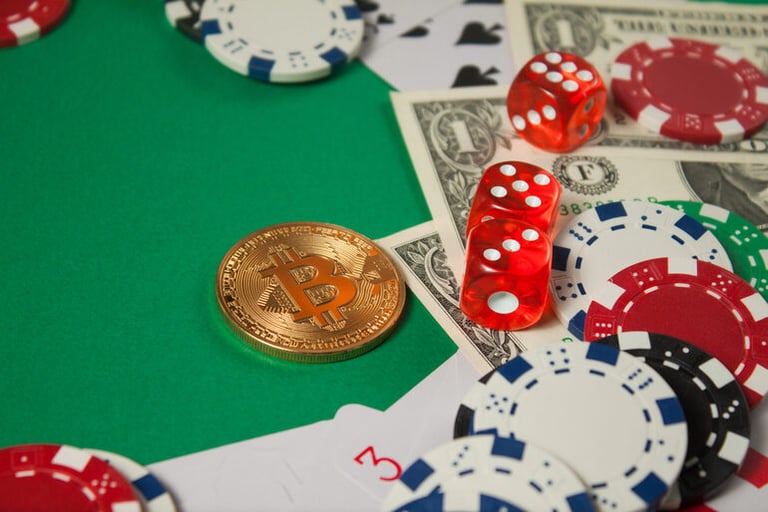
For guys who like fast, low-friction thrills, BTC dice hits the sweet spot. The game never really closes, so even if you’re on your phone during a commute or at your laptop at home, you can log in, deposit, and start rolling at any hour, no waiting for a table, dealer, or opening time. Stakes are shown in satoshis instead of cash, making each roll feel light, playful, and low-pressure.
With rules this simple, pick a chance, hit roll, watch the outcome, it’s easy to get caught up in a flow, testing your luck again and again. The same ease translates to dating, where low-stress interactions and quick connections let people explore chemistry without overthinking. Small, casual moments can lead to long streaks of engagement, even if it’s a few messages or hours of getting to know someone new.
Autoplay, Microstak, etc., and the “One More Session” Loop
Autoplay turns a manual click into a script that runs on its own. Instead of deciding on each roll, settings are chosen once and then left to play out. Typical options include how many rolls to run, when to stop, and even if to adjust the bet after a win or loss. When the stakes are tiny, it can feel safe to let this run for a while. The balance shifts in small increments, so attention moves away from individual bets and toward the overall motion on the screen. For many, simple games like btc dice turn into something running quietly in the background while other tasks take centre stage. That is where the “one more session” loop appears: a short run finishes, the outcome looks modest in BTC terms, and it suddenly seems reasonable to start another set of rolls with the same settings.
When Speed Meets the Brain: Tilt, Chasing, and False Patterns
Fast games compress emotions into short bursts. A few quick wins can create a rush, followed by a sharp drop when several losses arrive in the same minute. That swing from “this is going well” to “everything just vanished” can happen before there is time to think. Mood shifts faster than it would at a slow table, and decisions start to lean on feelings instead of plans, one reason why choosing the right games to enjoy matters for keeping the experience fun and controlled.
After a fast loss, it is tempting to react rather than pause. Common moves include raising the stake, lowering the win chance, or stretching the session “until things even out.” The mind starts hunting for patterns in recent rolls, marking them hot or cold, adjusting settings as if the sequence is sending secret messages. In dating, similar instincts can pop up, reading too much into a few messages or interpreting every small gesture as a signal. Noticing this impulse early helps keep interactions grounded, preventing overanalysis from overshadowing genuine connection and enjoyment.
Simple Controls Inside and Outside the Game
Clear lines around money and time quietly protect a lot. One useful approach is to park a modest BTC amount in a separate “play” balance, give it a firm daily or weekly limit, and leave rent, groceries, and savings completely untouched. The same logic applies to time: decide the length of a session beforehand, include a short break or two, and let that routine keep late-night bitcoin dice rolls from slowly taking over the whole evening almost without notice. Settings inside the game can support this slower pace. A few helpful habits might be:
- Keeping autoplay running short or turning it off entirely when feeling tired.
- Avoiding sudden jumps in stake size after a win or loss.
- Taking a short break whenever the urge arises to change settings based on recent rolls alone.
These small choices do not remove risk, but they make it easier to keep BTC dice in a space that feels deliberate rather than automatic.
Keeping BTC Dice in the “Entertainment” Box
For BTC dice to stay a form of entertainment, it needs clear edges. Signals that those edges are fading include growing frustration, checking Bitcoin price charts during a session, or hiding play from people who would normally be aware of how free time is spent. These are signs that the game is starting to weigh on thoughts rather than simply filling a spare moment.
Looking back at sessions in home currency, not only in BTC, helps keep perspective. Totals that seem tiny when counted in satoshis can start to feel more real when seen in terms of daily spending. The same awareness applies to dating, where a small bitcoin bet or minor choices, like coffee meetups or casual outings, add up over time. Recognizing these little investments helps keep connections enjoyable without creating pressure, making it easier to focus on chemistry instead of costs.


Comments 0
No Readers' Pick yet.