








How to Manscape Down There Without the Horror Stories
 Story by:
Style and Grooming Blog
Story by:
Style and Grooming Blog
Let’s cut to the chase with the ‘huh huh’ mumbo-jumbo. You’re here because you want to get some attention under the belt and not a visit to the E.R., let alone an explanation to some pharmacist. Fair enough. This is something that every guy will wonder about, and few people have ever discussed it right. Personal care is also a simple aspect of feeling your best when travelling for a date or settling down with a new acquaintance, and this applies to good grooming as well.
The great news: manscaping doesn’t need to be difficult. The unfortunate news is that most men learn by trial and error, and the answers will stick with them. This guide is for those who don’t need to be!
Why Bother? (The Honest Answer)
Forget the marketing speak. Here’s the real case: it’s about hygiene, comfort, and confidence. Trimmed hair means less sweat trapped, less odor, and no painful tugging during workouts. Surveys consistently show most partners prefer some level of grooming, but this isn’t about anyone else. It’s about not feeling like you’re smuggling a Brillo pad or looking like one of those horror villains with an unnecessarily wild appearance.
The goal isn’t a specific “look.” It’s clean, comfortable, and nick-free. Let’s get there.
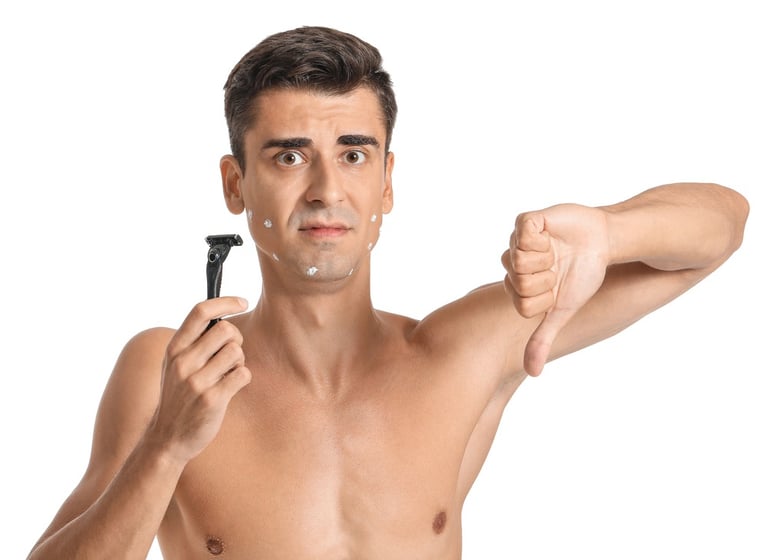
The Razor Trap: Why Shaving Clean Backfires
As it happens, nothing about this is what people are telling you: It’s when you shave here down there that the majority of horror stories start. It feels like the extensive alternative. That one may sound like the in-depth choice. It is, in fact, the riskiest of the available options.
Razor burn and ingrown (question) hair. Shaving in the groin area will be best on the thinnest and most sensitive skin you’ve shaved before. Micro-tears, ingrown hairs, and itchiness for days result when it gets dragged across with a blade, particularly against the grain, as it needs to be.A blade dragged across will cause micro-tears, redness,dness and ingrown hairs that itch for days, which is what “smooth” means. The regrowth stage following a clean shave is so infuriating that it is said to be an ordeal of hair sickness. The growth stage after a clean shave is known to be an awful, itchy, and uncomfortable experience.
Nicks in such bad areas. They may not combine: loose skin and a sharp blade. This injury is common in any and all emergency rooms. A razor is a shrewd knife; a knife of no mercy where it’s needed the least.
It never lasts. If you go for a clean shave, you will only get the additional days when stubble will begin to creep back in with extra venom. So you are doing the most dangerous form of the process twice each week, forever after, and not leaving much room for the fun to trickle in, but rather the dangers of it getting drilled back into your brain, like catching up on interesting stories or simply getting on with your routine.
This is why dermatologists and grooming pros increasingly steer men away from the razor for this job. The goal was never “bald.” The goal was neat, comfortable, and safe, and there’s a tool built exactly for that.
The Smarter Move: Trim, Don’t Shave
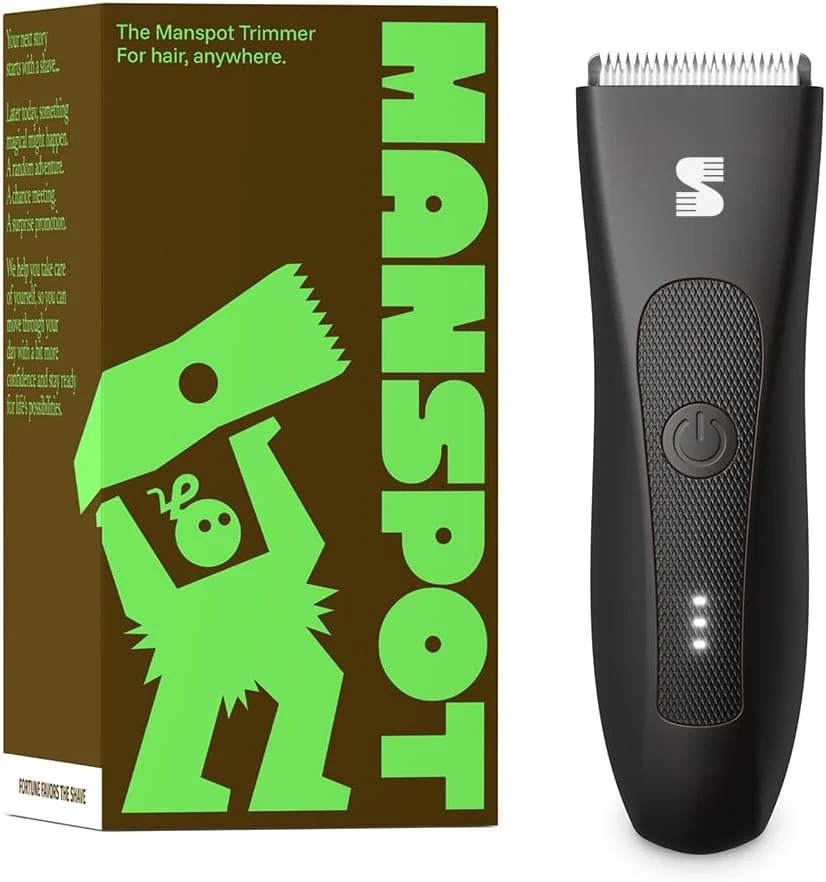
A dedicated body trimmer does what a razor can’t: it takes hair down to a neat, uniform stubble without the blade ever touching your skin. No razor burn. No ingrown hairs from cutting below the skin line. No blood.
But not every trimmer qualifies. A standard beard trimmer’s exposed blades are designed for the relatively flat, firm surface of your face, not for this job. Here’s what actually matters in a body groomer:
- Skin-safe blade technology. Mollie blades are round and/or protected by cushions against nicks in the uneven skin. It’s the one single most important f;;ture, it’s the difference between a tool and a hazard.
- Waterproofing. It is best to rinse in between uses. IPX7 means that it can withstand complete immersion, so less should be avoided and kept out of the stream.
- A special groin guard or attachment. The attachment never creates a gap; luff, it always maintains the blade operating at a safe, consistent distance at the thinnest part of the skin.
- Decent battery life. If a pair is half dead, it is a special kind of misfortune. The minimum charge is 60 minutes of charging.
All four boxes are tested by a special body groomer. There may be one tool you’ll never like to have on top of your toys below the waist, and it’s that much safer than a razor, closer than scissors, and designed for the occasion, not the garment.
Step-by-Step: The Safe Routine
Any starts are cut initially. It may be even better if you have plans to make it shorter in time; make it long with a guard attachment first and pull everything back to a manageable size afterward. The home turf of the trimmers is fast, secure, and no drama.
Step 2: Warm shower. Five minutes of warm water loosens and softens the hair and loosens the skin. Even if it’s a trim or touch-up, it won’t be done unless it is NON-NEGOTIABLE.
Step 3: Stitch off, skin tight. Stretch the skin out with the other hand before every pass. Shorter strokes, but longer and confident strokes should be avoided. Always work with the grain, and in 90% of cases just a single pass will do.
Rinse the trimmer head often (step 4). Any type of hair trimming device will pull when there’s buildup. Rinse it frequently, so it cuts easily.
Decision as to proximity. This is the great thing about the trimmer tech: you select your finish. No skin is involved with #1 or #2 guard,d and there is neat stubble. Want closer? Unlock guarding the nearest safe trim, no blade on skin scraping.
[IMAGE_2]
Aftercare: Don’t Ruin a Good Job
Cold rinse. The pores are closed for a full 30 seconds with cold water, and the skin is calmed.
Pat dry, don’t rub. Drying off skin with a towel can lead to irritation. Pat gently.
Moisturize. The itchy phase is prevented by using an alcohol free moisturizer or balm. Avoid perfumes on freshly shaved skin.
Breathable underwear forday/nightnight use. Moisture-absorbing or cotton tissue paper. Allow skin to settle for a day.
The regrowth period, which is the sharpest part of the process, is a lot less intense since it is the part only to be done after trimming – without stubble or ingrown hairs forcing their way out. This is the return you get if you take the conservative approach, and it is a practical part of manly manscaping when comfort matters as much as a clean, well-groomed finish.
When Things Go Wrong (Rare, But Be Ready)
Trimmer nicks are far less common than razor cuts, but skin is skin:
- Minor nick: Pressure with a clean tissue, then a styptic pencil. Done.
- Irritation or redness: Cold compress and aloe. Calms down within a day.
- Ingrown hair: Warm compress and gentle exfoliation over a few days. Don’t dig.
- Anything that won’t stop bleeding: Urgent care. No ego here.
The best emergency is the one you prevent, and the trimmer-first approach prevents most of them by design.
[IMAGE_3]
The Maintenance Routine
This isn’t a quarterly expedition. Keep it simple:
- Weekly: Five-minute trim to maintain. Done.
- Monthly: Full session with shower prep and aftercare.
- Ongoing: Clean the trimmer after every use, replace heads per the manufacturer’s schedule. A dirty trimmer is a bacteria farm.
Consistency beats intensity. The guys who stick with it spend less total time than the ones who let it go wild and then do damage control.
The Smarter Choice
The razor had a good run, but for this particular job, it’s the wrong tool: too aggressive, too unforgiving, and the results don’t last. Trimming with a purpose-built body groomer gives you everything the razor promised (neat, clean, confident) without the burn, the blood, or the itchy aftermath. For any men’s grooming guide focused on practicality, this approach makes sense, especially when you’re preparing for a date and want to feel confident in your own skin without turning grooming into a stressful last-minute task.
It’s basic men’s grooming. Do it right, do it regularly, and get on with your life.
By Zach; Reviewed by Jonathan Pittard, PA-C


Comments 0
No Readers' Pick yet.