








How to Diagnose a Heat Pump Before Calling a Pro
 Story by:
Home Improvement and DIY Blog
Story by:
Home Improvement and DIY Blog
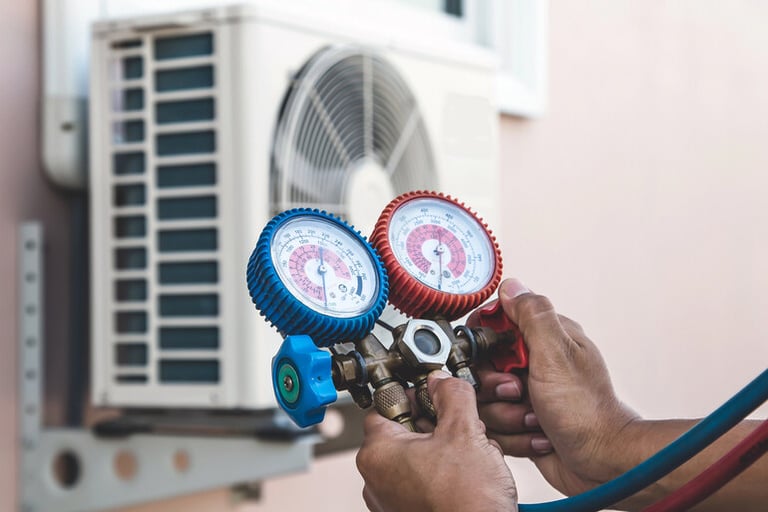
When a heat pump begins to behave in a different way, most homeowners believe that it will need a costly repair. As a matter of fact, simple problems that can impair comfort and efficiency can be exposed by a few basic checks. Knowledge of important heat pump diagnostic steps will assist homeowners in detecting minor issues at the initial stage and express themselves effectively in case expert help is required. A good number of residents contact the heat pump repair team in Raleigh when the problem is not resolved, yet a thorough inspection will save time and avoid unnecessary visits to the service.
The following guide takes one through the real-life check-ups that assist in determining possible causes of performance deterioration, whilst not neglecting safety. Similarly, in the dating sphere, one can learn about one’s own patterns and habits and (perhaps) expected behavior. Being mindful of the things that influence your energy, confidence, or even emotional availability can make you see what may be causing the meaningful connection to wait, so that you can enter the relationships with more awareness and caring.
Check Thermostat Control and Thermostat Settings
One of the most frequent causes of an unexpected system misbehavior is the poor configuration of the thermostat. A setting has been altered or programmed improperly and can therefore simulate mechanical failure. Check to verify that the programmable thermostat is on the correct program with the correct temperature. In case the system can be programmed to schedule, look into the current settings to ensure that the system is operating according to expectations. Also, as part of effective HVAC troubleshooting tips, always check power sources as well.
Inspect Airflow and Vents
The limited airflow may also greatly decrease the efficiency and introduce uneven heating or cooling in the house. The system requires a free flow of air to operate. The homeowners should check vents, registers, and filters to look for obstructions. The positioning of furniture, dust, or clogged filters can restrict circulation and stress system parts.
These are the usual airflow problems:
- Dirty or clogged air filters
- Closed or blocked vents
- Collected dust in registers.
- Obstructed return air pathways
One of the easiest heat pump diagnostic steps to perform is to address airflow concerns, and in many cases, normal operation is restored without further effort.
Examine the Outdoor Unit
The outdoor unit is the main part of the heat exchange. As the debris accumulates around it, the efficiency of the system decreases, and the operating strain becomes high. Peer over leaves, dirt, or bushes around the unit. At least two feet of clearance around the equipment should be provided to the equipment so as to provide there is sufficient air flow. Wipe on all external surfaces carefully; however, do not open any closed parts. Most heat pump performance problems start with environmental exposure, and this inspection is particularly necessary following storms or changes of season.
Listen for Unusual Noises
The heat pumps usually have a sound that is steady and constant. The acute alteration of the noise pattern can signal mechanical damage or hindrance. Pay attention to grinding, rattling, buzzing, or clicking sounds. These sounds tend to indicate loose parts, airflow obstruction, or electrical abnormalities. The changes of sounds do not necessarily indicate failure, but they give good hints when used together with other observations. It is possible to note when the noise is made, which will assist in determining the affected component.
Check for Water or Refrigerant Leaks
Wetness around internal parts could be a sign of drainage problems, and the ice formation on coils can be an indicator of airflow problems or a refrigerant leak. The water buildup around the indoor units is commonly caused by blocked drain lines. In case the drainage of condensation is inadequate, the condensation system may experience temperature control issues. The appearance of any trouble, such as oil spillage or continuous frost, creates possible problems that require expert services.
Dating: Sometimes even minute yet frequent actions, such as ambivalent messages, canceling all the time, and not following through, can be an indicator of deeper relationship problems. Ignoring such early warning signs can bring stagnation in the process of connecting; hence, being mindful of them and managing them may keep your dating in a better and healthier state.
Monitor System Performance
Performance monitoring is the observation of the behavior of the system as time progresses, as opposed to a one-time observation. Observe the duration of the running system, how long it takes to achieve the desired temperature, and even the consistency of comfort levels. Abnormal cycling, less airflow, or an unequal distribution of temperatures can be indicative of emerging issues.
These observations go hand in hand with other HVAC troubleshooting tips and are useful in detecting trends and not single symptoms. Just like keeping an eye on trends can help identify career paths, being aware of performance patterns can also guide homeowners in knowing the difference between a short-term change and a long-term mechanical issue, making it easier to plan for jobs for people in maintenance or inspection roles.
Observations of Documents Prior to Calling a Pro
Well-written documentation enhances communication with the technicians and accelerates the diagnosis. Homeowners are able to give accurate details regarding system behavior as opposed to describing the issues vaguely.
Record information such as:
- The time the problem emerged.
- Any unusual sounds or smells
- Airflow or temperature alterations.
- Recent weather events
- Maintenance history
Comfort Monster technicians frequently comment that more detailed observations also allow them to find root causes more effectively, save less time on diagnostics, and enhance the accuracy of repair.
Spotting Small Signals Early
The checks in practice do not replace the evaluation professional check; however, they provide an extremely helpful insight that can be useful in making informed decisions. Little glitches that are addressed sooner are normally the ones that ward off the larger ones in the future and keep the future narrow. The same can be applied to dating: when you notice evidence in your communication, such as a breakdown or unresolved issues, addressing them early can prevent miscommunication from developing into a broader conflict. Paying attention to these moments allows you to focus on productive things in the relationship rather than getting stuck in repeated misunderstandings. Did you ever fear any minor red flags or a small hiccup in the connection that later turned into a larger problem? It’s your turn to share your stories and observations with us.


Comments 0
No Readers' Pick yet.