






From Paper Vouchers to Digital Assets: The Evolution of Selling Gift Cards
Once simple paper vouchers, gift cards have morphed into a global digital currency, fueling a multi-billion dollar resale market and challenging traditional commerce.
 Story by:
Business Blog
Story by:
Business Blog
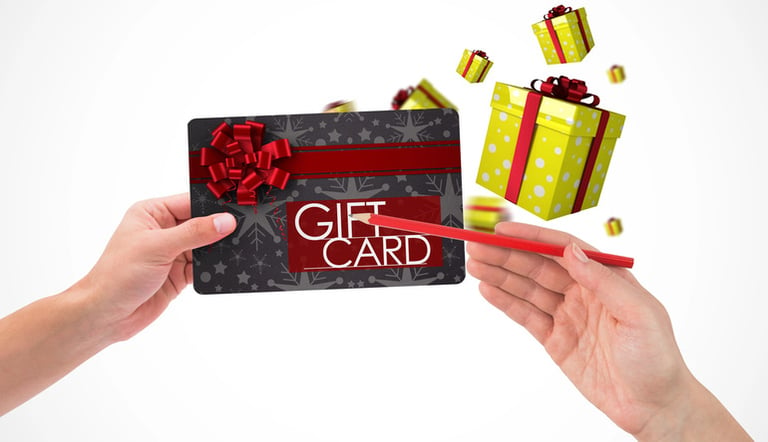
Gift cards are so embedded in modern consumer life that it’s easy to forget how recent their rise has been. Just a few decades ago, “store credit” came in the form of handwritten paper slips or basic vouchers. Today, gift cards exist in various forms, including physical plastic, scannable barcodes, and digital codes that can be instantly transferred across borders. They have changed from specialty marketing instruments to a world financial instrument that has its own resale economy. This transformation is an interesting narrative not only of retail, but of technology, consumer psychology, and the manner in which markets change.
Gift cards may not be an ancillary operation, but they belong to this larger historical cycle. The development of gift cards in most aspects indicates the importance of choice, convenience, and creating moments that are personal to people. This attitude can be applied to the current dating experience, where individuals prefer the mechanisms, websites, and experiences that provide them with greater control over their connection. It is not just about the transaction itself, but in creating experiences that are purposeful and meaningful in relationships.
The Origins: Store Credit and Paper Vouchers
Before gift cards, stores often used paper-based credit systems. A customer could purchase a voucher to give to someone else, or a store might issue credit slips for returns. These instruments had limited reach and were vulnerable to forgery or loss. Despite their fragility, these vouchers already contained the DNA of modern gift cards: restricted value tied to a specific brand, carrying both financial and symbolic weight.
Selling them was rare, but bartering did happen, especially in small communities where flexibility mattered more than formal rules. In fact, even back then, such vouchers were often seen as good gifts for men and women alike, offering a practical way to pass on value without cash.
The First Plastic Gift Cards
The invention of the modern plastic gift cards began in the 1990s, with businesses such as Blockbuster and Starbucks taking the lead. Plastic cards were also more attractive and could be loaded and tracked electronically, unlike paper vouchers, which were more prone to fraud. Starbucks, in particular, revolutionized the concept. By the early 2000s, its gift card program generated billions in stored value, turning customer loyalty into a massive source of upfront cash flow. This was also when the first resale practices appeared, as consumers began trading or liquidating unwanted cards online.
The Digital Shift
The emergence of e-commerce, which moved gift cards into the digital realm, also took place in the early 2000s. Amazon, Apple, and subsequent game platforms such as Steam proposed codes, which might be transmitted immediately through email.
This transition had three big consequences:
- Speed: A gift card could move across the world in seconds.
- Scalability: Digital cards could be distributed at scale without physical production.
- Liquidity: Codes became easier to resell, trade, or even use as informal payment.
It was during this period that the resale market truly began to expand. The ability to sell gift card balances online created new consumer behaviors and entrepreneurial niches.
The Rise of Resale Platforms
Towards the end of the 2000s and early 2010s, specific gift card resale websites started to appear. These services served the role of an intermediary, between sellers and buyers, ensuring validity. The emergence of these platforms was an indication of a major reality of the market: consumers desired liquidity.
One hundred dollars in a store card did not have the same value as one hundred dollars in cash, and eighty dollars in cash was not the same as locked value. Resale platforms took advantage of this gap to generate trustworthy marketplaces, where cards were usually purchased at a discount and then sold to other customers, highlighting both the risks and the gift card benefits that savvy buyers looked for.
Gift Cards as Parallel Currency
As digital cards spread globally, they began functioning like parallel currencies. In some regions, they became:
- Tools of remittance: Migrants sending value back home via codes instead of cash transfers.
- Barter assets: Gamers and online communities using cards as trade tokens.
- Workarounds for banking gaps: People without credit cards use prepaid Visa or Mastercard gift cards to shop online.
At this point, selling gift cards was no longer a side activity. It was part of a broader ecosystem where gift cards blurred the line between gift, commodity, and money.
The Fraud Problem
With growth came risk. Gift cards attracted scammers who exploited their liquidity and anonymity. Common tactics included:
- Selling already-used or invalid codes.
- Laundering money through bulk card purchases.
- Exploiting stolen credit cards to buy gift cards and reselling them quickly.
Fraud forced the resale industry to professionalize. Platforms introduced verification, escrow services, and fraud detection systems. Without these safeguards, trust in the secondary market might have collapsed.
Integration with Corporate Strategy
Corporations began to recognize that resale was inevitable. Some fought it with restrictive terms, but others saw it as beneficial. If consumers knew they could sell unwanted cards, they’d be more likely to buy them in the first place. Companies also realized that gift card data provided insights into consumer behavior, who buys, who redeems, and how balances are spent. This data loop became a core driver of modern loyalty programs.
The same applies to dating, as it is observed that patterns such as what people respond to, what keeps them attracted, and how they make their interest known would build stronger connections. It is not about counting numbers to make them count, but about generating rewarding experiences, much like choosing thoughtful Christmas gifts, and can encourage people to continue investing in the relationship.
Regional Differences in Evolution
The history of gift cards has unfolded differently across regions:
- United States: The most developed resale ecosystem, where the platforms are already established and known to people.
- Asia: In Asia, especially in China, gift cards were also a significant corporate gifting and reselling tool.
- Africa: Sometimes, gift cards are taken as substitutes for currency in areas that have banking restrictions.
- Europe: Stricter control hindered some of the adoption, but the resale is still active, particularly with digital gaming cards.
These regional patterns show that gift card resale is not a single story but a set of adaptations shaped by local economies.
Gift Cards in the Age of Apps
Today, mobile apps and wallets have integrated gift card storage, making management easier. Apple Wallet, Google Wallet, and other fintech platforms allow users to keep cards alongside payment methods. This integration has further legitimized resale. Selling gift cards isn’t just a workaround; it’s part of the ecosystem, with apps often linking directly to secondary markets or offering trade options.
The Future: From Commodity to Asset
Looking ahead, gift cards may evolve even further:
- Blockchain and tokenization: Cards as transferable digital tokens, making resale transparent and fraud-resistant.
- Instant liquidity: Platforms offering real-time conversion from gift cards to cash balances.
- Universal swaps: Systems where one brand’s card can instantly convert into another brand’s balance.
- Embedded resale: Cards designed with built-in resale functions, acknowledging flexibility as a core feature.
These innovations would move gift cards from being semi-rigid commodities to dynamic financial assets. Selling them would no longer be secondary; it would be part of the design, raising the question many consumers ask: Are gift cards worth it in the long run?
Why the Evolution Matters
The story of gift cards is more than retail history. It’s a reflection of larger themes:
- How corporations design financial instruments for loyalty and control.
- How consumers adapt those instruments for autonomy and liquidity.
- How technology changes the balance between restriction and flexibility.
Selling gift cards, in this historical frame, is not an accident or a fringe practice. It’s a logical outcome of decades of evolution, shaped by the push and pull between corporate intent and consumer ingenuity.
The Bigger Picture
From fragile paper vouchers to digital codes traded globally, gift cards have traveled an extraordinary path. Along the way, they’ve become more than just gifts; they’re marketing devices, currencies, remittance tools, and investment opportunities. The practice of selling gift card balances is the latest chapter in this history. It reflects consumers’ ongoing demand for liquidity, trust, and control over how value is used. And as technology continues to reshape the marketplace, selling will likely remain not just a side activity, but a central feature of how gift cards function in the economy.
The evolution isn’t over. In any case, the future points to the fact that gift cards are likely to become still more muddled with money itself, flexible, sellable, and ever in motion. That same trend can be observed in the context of relationships: dating has become less rigid and more flexible, with digital applications and little gifts, such as sending a nice gift card or even choosing to sell gift card credits, becoming a part of the process of expressing interest and initiating bonding. It is indicative of the same longing toward flexibility and individualization, which is becoming more and more characteristic of the manner in which modern romance is lived.


Comments 0
No Readers' Pick yet.