






7 Experiential Marketing Activation Ideas That Help Brands Connect With Consumers
 Story by:
Business Blog
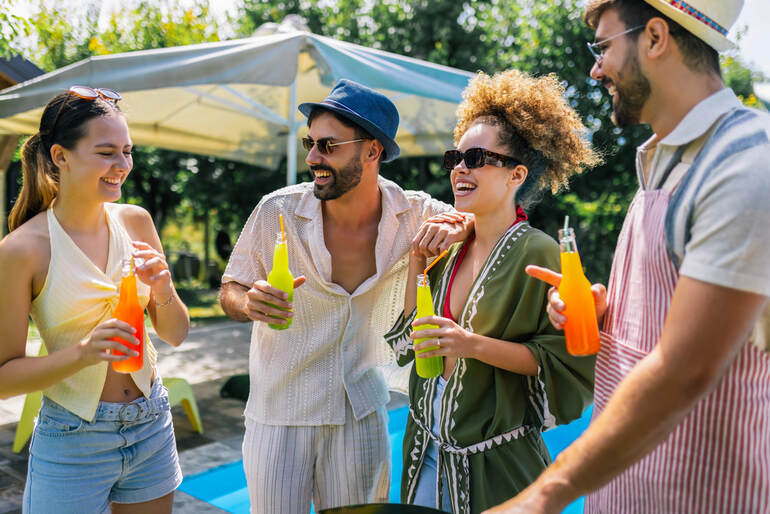
This shift to tangible engagement hits a sweet spot for modern romance, where digital fatigue often leaves singles craving a real-world spark over screen interactions. Shared activity breaks down initial awkwardness, offering a relaxed environment for conversations to flow organically. Interactive event spaces naturally encourage participants to meet potential partners, share fresh ideas, and forge authentic emotional connections outside the constraints of traditional dating environments.
The numbers back this up. Industry research consistently shows that the majority of consumers say experiential marketing creates more lasting memories than digital or print advertising, and a large share are willing to spend more on brands that deliver memorable live experiences. For marketers in the United States, where competition for attention is fiercest, that emotional connection is the ultimate currency. Below are seven proven activation ideas that can help your brand build genuine relationships with consumers, whether you’re a national retailer, a challenger startup, or anything in between.
1. Pop-Up Shops With a Twist
Pop-up retail has become a staple of American marketing, but the brands that win are the ones that treat a pop-up as an experience rather than a transaction. Instead of simply selling products, explore creative activation ideas that turn temporary spaces into interactive brand experiences. Think customization stations, live demonstrations, or limited-edition drops that reward people for showing up in person.
For example, a beverage brand might open a one-weekend pop-up in Austin or Brooklyn where guests build their own flavor combinations and leave with a personalized can. The key is exclusivity and urgency: consumers know the experience disappears, so they prioritize attending and share it with friends. When executed well, these short-term spaces generate social media content that extends your reach far beyond the physical footprint.
2. Immersive Brand Installations
Immersive installations turn passive audiences into active participants. These are the walk-through environments, projection-mapped rooms, and sensory pop-ups that have become fixtures at festivals like South by Southwest and Coachella. Brands can borrow this playbook at a smaller scale, creating Instagram-worthy moments that reflect their identity.
A skincare company, for instance, could build a “glow room” filled with soft lighting, mirrors, and product testing stations. Visitors snap photos, try products, and naturally become brand ambassadors. The critical ingredient is authenticity: the installation should express something true about your brand, not just look pretty. When the experience aligns with your values, consumers feel a genuine connection rather than a marketing gimmick.
3. Sampling and Product Trial Experiences
Nothing builds trust like firsthand trial, and sampling remains one of the most effective forms of Experiential marketing activations in the United States. But modern sampling goes far beyond handing out free bites at a grocery store. Consider branded sampling trucks, mobile tasting stations at farmers’ markets, or partnerships with local fitness events where your product solves an immediate need.
The trick is context. A sports drink sampled at the finish line of a 10K race lands very differently than the same drink handed out at a random intersection. Match your sampling moment to the consumer’s mindset, and the trial converts into a memory, and often a purchase. Add a QR code that unlocks a discount or loyalty reward, and you’ve bridged the physical-digital gap seamlessly.
4. Interactive Workshops and Classes
Consumers crave participation, and workshops give them a reason to spend real time with your brand. Host a cooking class if you sell kitchenware, a plant-care seminar if you’re a home goods retailer, or a content-creation bootcamp if you offer software. These sessions position your brand as a helpful expert rather than a pushy seller.
The format works especially well for loyalty building. Invite existing customers, offer early access to new products, and create small-group settings where people can ask questions. Attendees leave with new skills and a stronger emotional tie to your company. Many brands also record or stream the sessions, turning a single in-person event into weeks of digital content. Adding icebreaker games to these sessions can help participants feel more comfortable, encourage conversation, and make group activities more enjoyable.
5. Community-Focused Cause Activations
American consumers increasingly choose brands that show up for their communities. Cause-driven activations, from neighborhood cleanups to charity pop-ups, let brands demonstrate values through action rather than slogans. Partner with a local nonprofit, co-host a donation drive, or transform a parking lot into a community garden for a day.
These events build goodwill and local press coverage while giving employees and customers a shared purpose. The key is sincerity: choose causes that connect logically to your brand and commit for the long term rather than treating charity as a one-off photo opportunity. Consumers are quick to spot performative activism, but they reward genuine commitment with loyalty.
6. Gamified Experiences and Challenges
Games tap into competitive instincts and create natural shareable moments. Brands can design scavenger hunts across a city, leaderboard-based challenges at festivals, or augmented reality quests that blend physical locations with digital rewards. A footwear brand might hide golden tickets around a downtown district; a snack company could host a taste-test tournament with prizes.
Gamification works because it gives participants agency. They aren’t just receiving a message; they’re playing, competing, and earning something. Brands can also use AI tools for marketing to personalize challenges and deliver more relevant rewards. Leaderboards and prizes encourage repeat engagement, while the game structure gives your brand a reason to collect contact information and follow up afterward. Just make sure the rules are simple enough that a passerby can join in seconds.
7. Mobile Tours and Brand Roadshows
A branded tour brings your experience directly to consumers instead of waiting for them to come to you. Outfitted buses, trailers, and vans can travel across the United States, stopping at college campuses, state fairs, sporting events, and retail partners. This approach is especially powerful for reaching audiences outside major metro areas.
Mobile tours also create a steady drumbeat of content. Each stop generates local media interest, social posts, and customer stories. Plan the route around high-traffic events, train your brand ambassadors thoroughly, and equip the vehicle with interactive elements like photo booths or product demos. The result is a traveling billboard that actually talks back.
Making Your Activation Count
Great ideas only pay off with disciplined execution. Before you commit a budget, define what success looks like, whether that’s email signups, trial-to-purchase conversion, or social engagement. Train staff to be approachable experts rather than scripted promoters. And always build a follow-up plan: capture contact information, send thank-you offers, and measure results against your baseline.
It also helps to think of every activation as content. Hire a photographer or videographer, encourage user-generated posts with a branded hashtag, and repurpose footage across your channels for months afterward. That way, a single weekend event keeps working long after the tents come down.
Turning Brand Experiences Into Lasting Connections
In a crowded American marketplace, the winning brands create moments worth sharing, making experiential activations, from pop-up shops to community events, a direct path to consumer trust. Modern dating platforms tap into this exact dynamic by replacing static swiping with interactive single-mingle pop-ups and live social activities that facilitate genuine chemistry. Across every activation, the core driver remains participation: giving people something to do rather than just something to see helps both brands and single consumers build memorable connections naturally.
Start small if you need to. Choose one activation, measure its performance carefully, and expand the elements that deliver results. This approach to experimental marketing allows brands to test fresh ideas while discovering what resonates with their audience. When your brand enters the real world with something genuinely valuable to offer, consumers are more likely to remember the experience, share it with others, and return for more. In the dating industry, these meaningful interactions can also encourage people to build connections through shared experiences, making a well-planned activation valuable beyond its immediate marketing impact.


Comments 0
No Readers' Pick yet.