








How to Help a Partner After a Loss
 Story by:
Personal Growth Blog
Story by:
Personal Growth Blog
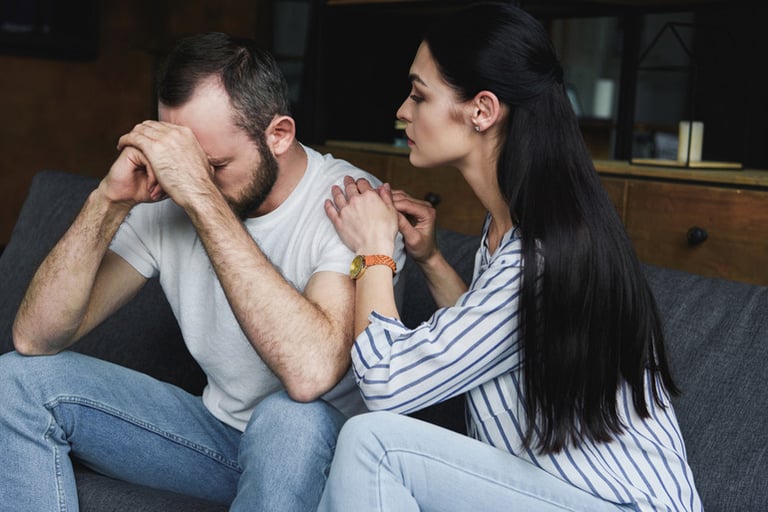
Loss comes to each of us, and whereas some heartbreaking events can be seen coming, others arrive without warning. When what is being lost concerns someone close to us, we should intervene in ways that truly help, while avoiding stepping into situations that are not ours to manage. In dating, these moments quietly reveal character. Attraction may begin with excitement, yet emotional support, respect for boundaries, and simple presence carry more meaning when life becomes difficult. Over time, connection shifts toward consistency and understanding, where how someone shows up matters more than what they say.
Should you feel uncertain of how best to prop up your partner if they’re going through a tough time of this type, don’t go anywhere. We’ve got some good guidance to lay down so that the things you do next make a positive impact. Given that 3 million people lose their lives each year across the country, there’s a high chance you’ll find yourself needing to support a loved one sooner rather than later.
Take the Lead Proactively
Do not expect your partner to request you to help them, even though you may believe that it is easy to respect. Rather, help them as much as possible to live their normal lives and sustain a positive mind, but leave them alone to mourn. There’s clear evidence of women feeling a crushing sense of increased responsibility when their household chores suddenly become their burden wholly, so you can swamp this by assuming the role of Death PA. That is to say, organizing not only the mail but also the dishes before they start to accumulate, to say the least, but also making sure that the fridge is actually laden with actual food instead of sympathy lasagnas, which are tasty but can be rather cumbersome.
Also, you can:
- Take the lead on communicating service details to extended family members
- Handle the mundane household admin like trash day and grocery runs
- Keep a log of who sent what, so thank you notes aren’t a hurdle later
Be There
The other recommendation that is self-evident, yet many men seem to ignore, is that you must make yourself a voice in the grieving process as much as you can to an extent, without getting in the way of the other members of the immediate family, and that of your partner. That could be going to funerals and remembrance services and contributing legitimately to the process, such as assisting with any decorations and post-event cleanup. Tools like on-demand therapy are also useful, but you must be careful of the special needs of your partner, and not to put your support upon a third party on the spot.
In the context of signs of sympathy, conventional etiquette is not entirely useless as it renders a representation of support. Sending funeral flowers to the service or the home that members have lived in is a tangible means of indicating that the deceased is being paid tribute and not forgotten. It is a silent and deferential keel to a room that can be at times disorderly and also lonely. Beyond that, you should think of this as a long-range commitment, and not something that needs to be done. By being available in the weeks and months after the loss instead of only attending the funeral, you become part of the family’s lived experience.
Your presence shows that support is ongoing, not limited to brief words or gestures. That same consistency matters in dating. Attraction may begin with interest, but it deepens through steady presence. Showing up during ordinary and difficult moments builds trust, turning connection into something real and lasting. Since around 25% of people report severe grief following a bereavement, it’s very important to consider your part in easing the strain on your partner.
Build a Support System
You can’t be an effective supporter of your partner after a loss on your own, and so having a support system in place to ensure that both of you are being properly looked after is a must. Openly discussing it with your friends, contacting professional therapists, and finding support groups to get through the difficult period will reduce the adverse consequences of bereavement to a minimum. Our site has plenty of posts that should be able to teach modern men the trials and tribulations of the world we live in today, so give them a look.In dating, this awareness strengthens the connection. Supporting a partner through loss isn’t about having answers; it’s about being present while maintaining your own balance. With the right support outside the relationship, a festival partner who understands the importance of presence and consistency helps trust grow more naturally, making the bond deeper and more stable.


Comments 0
No Readers' Pick yet.