







We Answer All Your Questions About ESWL (Extracorporeal Shock Wave Lithotripsy)
 Story by:
Health and Wellness Blog
Story by:
Health and Wellness Blog
You are not alone if you have been told that you have a kidney stone. Kidney stones are known to occur in approximately 1 in 11 individuals in the UK, at one time or another, and for most individuals, the way to the cure is through a procedure referred to as Extracorporeal Shock Wave Lithotripsy. It is a wakeup call that health problems usually come without notice, and they can influence the attitude of individuals toward their daily life,e including social confidence and emotional stability. These experiences can indirectly shape the ways of how people present themselves in new relationships in the dating niche.
Periods of distress or recuperation can lead to a change of priorities to patience, empathy, and greater meaningful connection-building. It is another dimension of the contemporary dating process, in which personal well-being and life conditions tend to overlap with the manner in which relationships start and evolve. ESWL is a non-invasive therapy that uses sound waves that are focused to destroy stones in a manner that enables them to exit the body by themselves. Being sceptical before any medical procedure is totally natural, and knowing what to expect can actually make a difference in your mood before the process. You have questions about pain, recovery, or whether it is the right choice to make. We have put together the most asked questions to make you feel knowledgeable and ready.
What Exactly Is ESWL?
ESWL stands for Extracorporeal Shock Wave Lithotripsy. The term extracorporeal merely indicates that it is outside the body, and this is a hint that is crucial to the mechanism of the procedure. Nothing is cut, no scope, no instrument penetrating your body. A machine known as a lithotripter is used to deliver the focused shock waves to the skin and the tissue surrounding the stone. Those waves break and make the stone crack and be broken into small pieces, which run out of the body during the next days or weeks through the urinary tract.
Who Is ESWL Suitable For?
ESWL is usually more effective in individuals having kidney stones or having stones in the upper ureters not larger than 2 cm in diameter. It is particularly a good alternative to surgery in patients who would not prefer an operation or in patients whose surgery would be more dangerous, such as patients who have some bleeding disorders. Not everybody in them is an applicant, however. In pregnancy, Extracorporeal Shock Wave Lithotripsy is not as good;y, the patient may also be overweight, and the patient may have a rather hard stone, such as cystine stones, which are not responsive to shock wave treatment. The urologist will review your case and determine whether it is the right action to take in your case.
Is ESWL a Major Operation?
No, ESWL is not an extensive operation. It is also an outpatient surgery; this implies that a patient does not need to spend the night in the hospital. No incisions, no stitches, and there is hardly any general anaesthetic involved. Patients are normally premedicated with a painkiller or injected with a painkiller to mitigate any pain during the session. The actual procedure is often said to feel like a tapping or slight stinging feeling as opposed to sharp pain, and many people experience the procedure much easier than one would think. In a more general understanding, such reassurance is important in communication in healthcare, where there is an understanding of what is expected of one in order to alleviate anxiety related to the unknown experience.
Is ESWL Painful?
The level of pain depends on the individual, yet the majority of patients complain about mild to moderate levels of discomfort during the session itself. The shock waves may seem to be tapping the skin of the treatment area in small flicks or taps. Most patients can withstand the experience because it is only essential, and most of them have proper pain management in place beforehand to achieve success. Subsequently, the area around the treated area may experience some aching or soreness and even some level of discomfort when the stone particles go through the urinary tract. This is a natural occurrence in the process. A doctor or another healthcare professional should be consulted on the issue of pain management before or after your procedure.
How Long Does an ESWL Session Last?
SWL is performed in approximately 45 minutes per session. The sessions required by a patient are dependent on various factors, such as the size of the stone, its density, and the number of stones, to mention a few. A small number of patients may need only one session to completely break down their stones, while others may require two or more. Your urologist will guide you based on how your stones respond to the first treatment and what shows up during follow-ups.
That same idea carries into dating. Not every connection clicks right away, and not every situation moves at the same pace. Some people find clarity early on, while others need time, a few conversations, and real-life moments to understand where things stand. Paying attention to how things develop, checking in, and allowing space for progress can lead to something more stable and genuine over time.
What Should I Expect After the Procedure?
A few days after ESWL, you may find that you have blood in your urine. It is a natural reaction as the pieces of stone will start moving out of the urinary tract. You can also feel a certain pain in the kidney or urinary tract, and may need to urinate more often. Most of the patients can go back to their normal activities within a time span of one or two days. No hard work or excessive weight-lifting should then be resorted to during the space of a week, either to leave the body time to renew itself, or to ensure the natural extraction of stones. The implication of consuming a large amount of water at this stage is highly recommended.
What Are the Possible Side Effects?
ESWL is considered safe and well-tolerated, but like any medical treatment, it may cause some side effects. These can include:
- Blood in the urine (haematuria) typically heals in a couple of days.
- Bruising or skin tenderness in the treatment area
- Stone fragments pass, which causes discomfort or cramping.
- In rarer incidences, a bigger fragment can become trapped in the ureter, and this may need additional treatment.
In case you have unremitting or serious symptoms following your operation, you should reach your health care team as soon as possible.
How Successful Is ESWL?
ESWL has a success rate ranging between 70 and 90 per cent, depending on the size of the stones, their location, and composition. An example is kidney stones,s which may be susceptible to shock wave treatment as compared to the stones that have moved into the ureter. ESWL does not work so effectively on large stones or especially dense stones. In such situations, other possible methods of treatment, like ureteroscopy or percutaneous nephrolithotomy (PCNL), may be prescribed instead. Your urologist will explain which of the two will be most effective, depending on the characteristics of the stones that you have.
Will I Need Follow-Up Appointments?
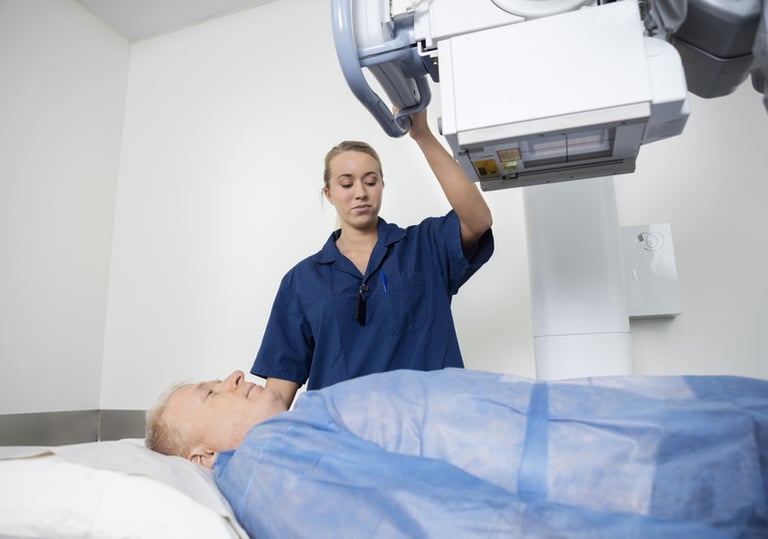
Yes, the follow-up care is also a significant component of the ESWL. You will probably be required to come to one or several appointments after your session, as the urologist may wish to determine whether the stone fragments have passed and whether there are no complications. An ultrasound or X-ray can be taken to measure the treatment results. In case some stone is still left after the initial session, your doctor will recommend a second session of ESWL, or another method would be more suitable. It is also at these meetings that you can ask any questions or express any concerns that you may have regarding the progress of recovery.
What Should I Eat and Drink After ESWL?
One of the most useful post-ESWL activities is to stay well-hydrated. Consumption of lots of water could assist in the movement of stone fragments in the urinary tract, which is a major factor in evacuating them from the body. The majority of healthcare professionals propose a goal of two to three litres of water per day in the recovery. In connection with diet, a reduction of the intake of salt and animal protein could come in handy in the prevention of the formation of new stones. Presuming that you had kidney stones before, your doctor may recommend a more specific diet.
Understanding ESWL and Your Treatment Options for Kidney Stones
ESWL is a non-invasive, well-established treatment option for kidney stones, which has assisted most of the patients to avoid surgical operation and resume normal life, although at a comparatively very short period. We can never be certain of anything medical, but once we clearly understand the process involved, then we can get rid of these fears and feel more confident with the actions to be taken thereafter. Given the fact that the decisions undertaken in the situation are individual and occasionally overwhelming, the consultation of an expert can count a lot. A urologist consultant is able to examine particular cases and clarify whether ESWL is appropriate with many treatment options, and discuss any questions in particular.
To people seeking treatment, calling a urology clinic is a simple solution that provides them with expert guidance and helps them move forward with confidence and clarity. The same feeling of seeking the correct support is also present in dating. Whenever things seem unclear, it can take a lot of guessing out and have an honest talk or ask someone you trust to advise you. It leaves a better road, develops trust in your decisions, and makes you think more grounded about the relations.


Comments 0
No Readers' Pick yet.