






Into the Wild: Mastering Outdoor Rides with Your Horse
 Story by:
Entertainment Blog
Story by:
Entertainment Blog
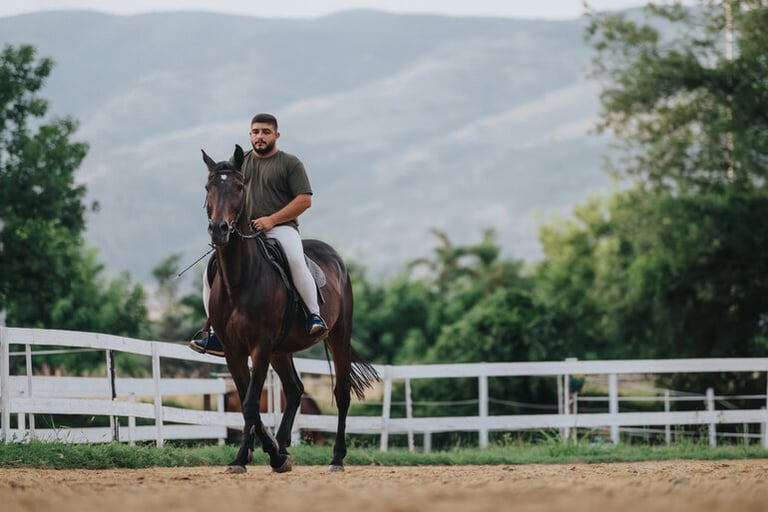
Since the social reset of the pandemic, there are already more riders getting back to the trail with that feeling of freedom and adventure. People claim that approximately 9.2 million Americans are engaged in horse activities every year, and approximately two million of these activities are recreational horsemen. To get back on the path, you will need to prepare, focus, and be aware of how your partner is moving, and these are the same traits that are transferred over to dating.
Establishing a rapport entails receiving cues, going around unforeseen twists, and building instances of trust and fun, which makes any experience more satisfying to both individuals. So, if you want to experience and explore the open terrain confidently, you need sound preparation, with a smart guide to make sure you and your horse are always safe en route.
Why is Outdoor Riding Growing Fast
Recently, outdoor riding or horseback riding has stood out now as a favorite hobby for many who crave clean air and real touches with nature. As life’s chaos gets tougher each day, you may find that the trail offers something rare nowadays: an off-the-grid, quiet, mindful connection. Even the industry’s tourism market is already valued at about 1.34 billion dollars in 2025, showing an ever-increasing interest in this occupation. It also shows that you’ll continue to ride among people who value skill, preparation, and respect for the equine species more than the humdrum of city life.
Build A Trail Ready Partnership With Your Equine
Most of the time, however, riding outdoors can test more than your riding skills. It can put your connection to your mount to the test. More often, a horse that performs impeccably in an arena may react differently when exposed to the uniqueness of open trails. It’s where new sounds, uneven ground, seeing wildlife, and weather changes can negatively affect their disposition, sometimes making even the calmest equine seem like the setup for a few well-timed animal puns. You may need to start conditioning and building their stamina, like going on longer rides in unpredictable terrains. They need to be exposed to hills, water crossings, and forest paths, so they’ll learn balance and trust in your lead.
Also, establishing the most-needed groundworks has to be prioritized. For instance, you need to practice stopping your mount calmly when surprised, standing quietly during breaks, and walking through narrow pathways. When your horse learns and trusts your cues, you reduce panic moments on every trail you tread. Without that trust, unexpected reactions can sometimes turn a calm outing into something resembling a hilarious zoo, but clear communication keeps the ride controlled and safe. It’s a confidence that can nail down the foundation of safety every time you go horseback riding.
Protect Your Horse From the Elements
Almost always, outdoor rides expose your horse to a number of distractions or disturbances. In these adventures, flies can be the biggest threat and cause of bolting frenzies. More studies of equine care now show that insects can cause irritation, stress, and reduced focus in horses, especially during warm weather. It’s why many experienced riders treat fly protection as a gear not to be missed. You may add supplies like Stateline Tack equine fly masks to efficiently help shield your horse’s eyes and face from insects, dust, and strong sunlight.
Many owners and riders now use them during long trail rides, pasture turnout, and summer runs. In addition, the aspect of safety is one of your priorities, as a distracted horse would not be capable of concentrating on any landscape or what you are telling him, and thus, your riding becomes unsafe. The more your horse is concentrated, the easier you will have a ride and association in the trail.
Gear Up for Your Terrain
Entering the outdoor riding business requires equipment that does not end at the arena or paddock. Comfortable saddles during short rides may result in the formation of pressure points when they are used in more extended trail adventures, and it is important to check them regularly and make appropriate adjustments. The same thing applies to relationships, and the same little habits, constant communication, and consideration of the needs of each other allow relationships to flourish.
Much like learning to ride a horse, where patience and steady practice build trust over time, attention to small details makes both the ride and the relationship comfortable, safe, and enjoyable. More recent research found that demand for performance riding gear continues to rise over the years, with the global equestrian apparel market estimated at 2.9 billion in 2026. It reflects strong demand for technical riding needs.
So make sure your gear includes:
- Helmet designed for trail riding
- Durable saddle and properly fitted girth
- High-quality reins and bridle
- Hydration for both horse and rider
- Basic first aid kit
Taking and using more appropriate gear does more than assure you of your comfort. It’s there to effectively reduce your fatigue and prevent avoidable mishaps before, during, and after your rides.
Read The Trail Like A Skilled Horseman
When you’re horseback riding outdoors, remember it’s part sport and part navigation. You need to constantly and efficiently read the terrain before you. Otherwise, your lovely horse could get agitated walking through loose gravel, muddy slopes, and narrow paths if you forget the needed variations in your riding techniques. Trail awareness can also mean watching weather patterns and the length of daylight hours. One simple delay can turn a comfortable ride into a risky one. Most experienced riders plan routes and carry GPS or trail guides, so you might as well have these same preps. They’ll help you turn uncertainty into sure confidence.
Train Your Mind For Long Rides
It’s not only physical and muscle-talks, but you also need mental endurance to maintain focus, especially during long rides when small mistakes can easily throw you out of balance. Without training your mind for the ride ahead, you might miss cues or have poor positioning while on your horse’s back, which can cause an accident. More experienced riders today treat outdoor riding like a strategic exercise and leisure at the same time. They often break rides into sections, like pausing for hydration, and constantly checking their horse’s breathing and energy level. Just remember that your horse reads your body language, making them reliable on the trail when you’re calm and balanced.
Ride Smart So Every Trail Becomes An Adventure
Choosing outdoor riding means you’re someone who values freedom, challenge, and partnership. It encourages you to refine your skills, stay present, and adapt to unexpected moments, qualities that are equally important in dating. The patience, awareness, and trust that lead to a successful horse ride can also shape how we approach meaningful connections. Approaching relationships with the same openness allows them to grow more authentically, creating experiences that are exciting, memorable, and deeply rewarding. The wilderness is waiting, and your horse is ready to take you there.


Comments 0
No Readers' Pick yet.