








Back Laser Hair Removal Prep and Aftercare: The Simple Checklist for Better Results
 Story by:
Style and Grooming Blog
Story by:
Style and Grooming Blog
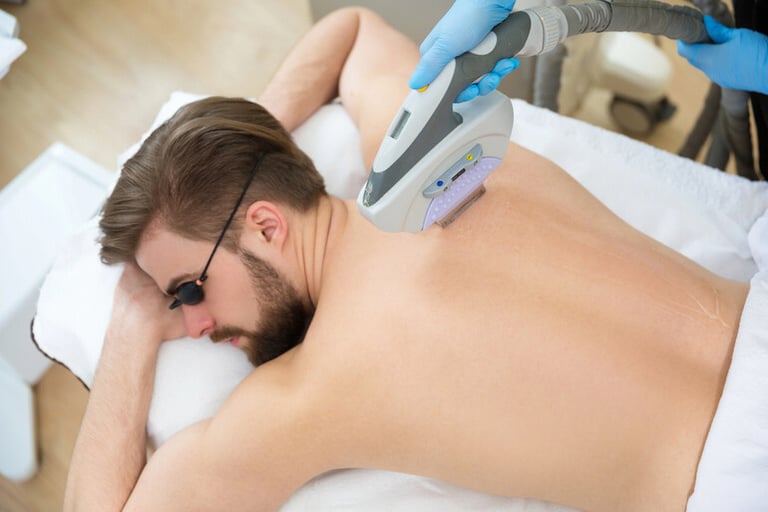
Thinking about back laser hair removal? Expecting one laser session and then instantly smooth skin? It’s time to think again. Laser hair removal is effective, provided one prepares well and takes care of the skin immediately. Pre- and post-appointment measures can be undertaken in some uncomplicated ways before your examinations, which may make a big difference in the effectiveness of laser attacks on hair and the response of your skin, as well as the appearance of your outcomes and the course of time.
In regard to laser hair removal back treatments, in the best case scenario, one treatment will only remove about 15-30% of treated hairs, and that is why it is so important to be consistent and attend to. This checklist shows you exactly what to do, when, and what not.
Before Your Appointment
When we come to the beginning part, then you have all the control. Omitting steps may either provide you with an uneven result or lead to an additional annoyance.
Shave at the Right Time
Shower your back about 24 hours before your appointment. This timing ensures that the hair root is retained and the surface hair is removed, which may absorb heat. Do not shave just before your session, and do not leave behind any stubble. In addition, do not wax, thread, or pluck within four weeks of treatment.
Keep Your Skin Out of the Sun
Exposure to the sun alters the nature of skin response to laser energy. Do not spend any time in the direct sun at least two weeks before your appointment (including the tan bed and self-tanning products as well). In the event that you have to be outside, wear clothes to cover your back. Your skin must be sunscreen-free, especially on the day of the treatment.
Pause Active Skincare and Treatments
Your back should be calm and untreated before your session. Stop using exfoliating acids, retinoids, scrubs, or body peels on the area five to seven days in advance. Avoid professional skin treatments on your back for at least two weeks. Not sure if a product counts as “active”? Leave it out for the week before treatment.
Arrive with Clean, Product-Free Skin
Take a shower and wash your back thoroughly; no lotions, oils, deodorants, or fragrances. You should also bring loose clothing to your appointment in the event that you get too sweaty, so that your skin does not get too sweaty.
Skin and Health Factors You Should Tell Your Provider About
Laser therapy is more effective when your practitioner is fully aware of what is in your skin. That is why it is so significant to share any information in the beginning. They should understand if you are on medications that make you light sensitive. There are certain antibiotics, acne drugs, and other drugs that are hormone-related that might influence the way your skin reacts to the treatment process and after treatment.
Ask about any skin procedures that you have had done recently on your back, no matter how minor they seemed. Chemical peels, injections, microneedling, or intense exfoliation can cause the skin to be more reactive than it appears. Discuss active skin problems before treatment, including breakouts, rashes, cuts, infections, or healing wounds. Do you have a changed skin tone because of the sun or self-tanner? Even subtle changes matter here. All in all, when in doubt, bring it up. It’s always better to have that short conversation before you start.
What Happens Right After Treatment
There will be a fairly quick reaction of your skin after a session of back laser, and most of the reactions are anticipated. However, what is normal and what is not? Immediately after the treatment, your back will appear reddish or will be hot, like a slight sunburn. The little bumps that appear around the follicles of hair are normal and usually indicate that the laser has hit its target. These changes often resolve in a few hours, except that some skin types may take till the next day. A cold or hot pack or cooling gel can be used in case the area is hot or tight.
What You Should Avoid on the Same Day
The main goal for the first day is to keep your skin cool and untouched.
Avoid anything that adds heat, such as:
- hot showers, baths, or steam
- tight shirts or backpacks that rub the area
- intense workouts that cause heavy sweating
Aftercare Checklist for the First 48 Hours
The first two days after the treatment are when your skin does most of its recovery. Here’s how you can help it.
Clean Gently and Keep the Water Lukewarm
Although you can shower when you feel the need, make sure that the water is not hot, but warm. Wash your hands with a mild fragrance-free cleanser. Wipe your back using a towel rather than rubbing. There is no place for scrubs, brushes, or exfoliating gloves.
Use a Simple, Calming Moisture
Use a light fragrance-free moisture lotion or pure aloe once or twice daily to minimize dryness and tightness without pore congestion. Avoid products that contain acids, retinoids, menthol, or a scent added to them. Tingly products? Don’t use them.
No Friction and Heat
Wear loose, breathable clothing that doesn’t cling to your back. Friction can keep redness around longer than needed.
For the first 24-48 hours, say no to:
- hot showers, saunas, or steam rooms.
- energetic work which produces a lot of sweating.
- direct heat sources like heating pads
Sun Exposure, Shedding, and What’s Normal Between Sessions
This is where the most confusion happens. But what happens between appointments matters just as much as the session itself.
Hair Shedding is Part of the Process
You probably won’t see treated hairs fall out right away. Over the next one to three weeks, they loosen and shed on their own. You may notice hair pushing out of the skin or falling away during a shower. That’s expected. Just don’t pull them, even if they look ready to come out. Let them release naturally. Many people also notice changes in how their hair grows back. In one study of 948 patients, 52% reported slower hair growth, while 42% noticed a change in hair texture over the course of treatment. This is mostly manifested by finer, less coarse hair or an increase in the intervals between shaving.
Protect Your Back from the Sun
The sun exposure in between the sessions may irritate the skin and determine the extent to which further treatments may be conducted aggressively. Keep your back covered when possible. Only once your skin has fully settled (ask your provider about the exact timing), you may use sunscreen if the area will be exposed.
Shaving Rules between Appointments
Shaving is the only hair removal method you should use between sessions. It keeps the area neat without interfering with the hair root. In brief, therefore, when you find some slight redness, shedding hair, or heat, it is all right. Nevertheless, call your provider in case of blistering, swelling, or any discomfort (which persists for days). Laser hair removal is definitely worth it. What you need to do is to be patient and disciplined at every stage.


Comments 0
No Readers' Pick yet.