






How a College-Town Senior Community Stimulates Lifelong Learning
 Story by:
Health and Wellness Blog
Story by:
Health and Wellness Blog
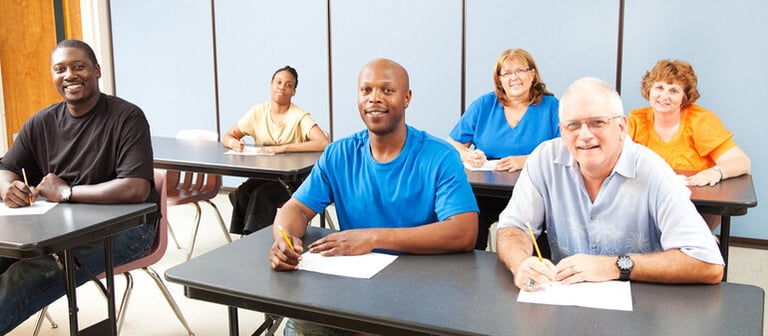
The college is in the heart of everyday life in a college town. Education programs are accessible to older people; cultural facilities and events where they can attend are fun, and campus activities keep them engaged; and they can share their new ideas with all their neighbors wishing to hear them. If a group of other community members joins the class, it is a real experience class with seminars, outings, transportation, and discussion.
These activities can also help them meet other people with similar interests, social environments, and circumstances, and thus gradually develop friendships. Learners’ ability to learn over the entire span of life is a consequence of the day-to-day of their social lives, rather than a one-off event, and shared interests may pave the way towards new friendships or dating experiences. The first step is the realization that Davis does this every day: it makes its setting into a place of learning.
A College Town Creates Daily Learning Opportunities
Families comparing senior communities should examine how a location supports curiosity beyond scheduled activities. For older adults considering senior living in Davis, CA, in such a context of a college town, cultural, public,c or energy events may be easily available and accessible. Those resources are fragmented through the seminars and outings part of a resident calendar, as well as through an efficient transportation plan that aims to ensure there is no need for logistical hurdles that would hinder regular seminars or outings and would encourage participation all week long.
Davis provides people with opportunities to observe, discuss,s and discover. Trails at the UC Davis Arboretum encourage the visitor to experience the transition and also name and talk about environmental issues.
Another cultural learning environment near the Fremont site is the neighbouring Mondavi Center. Talk about some activity that you could all go to an event – such as a play, a concert,t or some kind of public event – and explain this to your residents.
Programming Makes Curiosity Routine
A community activity calendar turns learning into a scheduled habit. In a college town, educational seminars can establish a consistent time frame that residents can schedule for planning, regardless of individual details, with a commitment to learning, discovering,g or undertaking any subject or issues they choose to discuss without delay.
The residents are also able to follow interests on a long-term basis through regular programming. A resident who loves to work out can arrange a walking class with another resident for whom a health seminar is more appealing, or a health enthusiast can organize a health seminar and then match it with an on-site physical therapy session.
Seminars Tied to Personal Interests
Practical seminars start off with topics that are relevant to life outside of school. There are opportunities for residents to participate and share experience in areas of Health, local history, nature, technology, and current events.
Discussions can be conducted in such a way that they are well-managed and everyone has their place. One may raise a question, one another may present a bit of professional learning, and somebody else may recommend an associated book or experience.
This format highlights respect for learning styles. Some residents would prefer to hear, others to learn by talking, others by moving, and others by being shown directly on a trip.
Outings Turn Lessons Outward
Trips help residents connect classroom-style learning with familiar places, making lifelong learning feel practical and engaging. A visit to the UC Davis Arboretum, for example, adds sensory detail to discussions about plants, design, and conservation.
Cultural outings create similar connections. A performance at the Mondavi Center gives residents material for conversation when they return home, extending the learning experience into shared meals or community gatherings.
Transportation Protects Participation
One factor that can make a difference in residents’ participation in out-of-the-community activities is available transportation. Schedules reduce the need for childcare and help to take the burden off parents and children around planning, like looking after childcare while on the move to appointments, or parking the car to pick up kids.
Consistency, as well, is provided through transportation. If an individual knows what he or she does throughout the day and who is going to see him or her, he or she can promise to go out and attend a seminar with few interruptions.
It helps him to be independent in other ways through this service. Transportation to appointments and errands helps the residents to meet their daily needs and facilitates their activities, expands the amount of activities they can do to sustain their interests, and brings their interests further via these group activities.
Social Learning Supports Memory and Confidence
Collaborative learning adds a social purpose to every activity. Residents hear different viewpoints, explain their own ideas, and build familiarity through repeated conversations.
Shared discussion also reinforces and creates an incentive for the resident to come back to the site. A seminar is a social event; a walk or performance leaves memories for the participants to share.
It’s crucial that the people living in residential memory care have a routine and support during group activities. Carlton Davis provides services in all areas of Independent Living, Assisted Living, and Memory Care; Teepa Snow is the source of best practices, as they are linked to the provision of services by being a Positive Approach to Care® Designated Organization.
Families Should Assess the Learning Structure
Families touring a community should review the activity calendar rather than rely on general descriptions. An insightful calendar shows how often seminars occur, even if outings connect with local destinations, and how residents receive schedule updates, giving prospective residents a clearer opportunity to explore life in the community and see how its activities fit into everyday routines.
The physical environment should also be a consideration. Families should question whether public spaces are pleasant for conversations; whether there are obvious plans for transport; and whether residents are able to pursue personal interests.
Residents/families can easily keep track of program suggestions in a monthly newsletter. It also provides families with a hands-on approach to discussing activities that align with a resident’s interests, level of energy, and level of care and support.
Learning That Lasts
The distinction families can tell when they are looking at a community for seniors is that it has visible activities, reliable transportation, and space for their own interests. The college campus adds the atmosphere, and seminars, cultural outings, fitness, and common discussion make a push for regular practice. These activities can also provide an opportunity for residents to get together naturally with others who share their interests, form new friendships, and become more socially and long-term connected.
A strong community partnership with local organizations, educational programs, and cultural venues can further expand these opportunities. A beneficial next step is to review a current activity calendar, ask how residents reach local destinations, and discuss which learning interests a prospective resident wants to continue after moving into the community.


Comments 0
No Readers' Pick yet.