








Do You Have to Take a Breathalyzer Test? The Real Legal Answer Every Man Should Know
 Story by:
Law and Attorneys Blog
Story by:
Law and Attorneys Blog
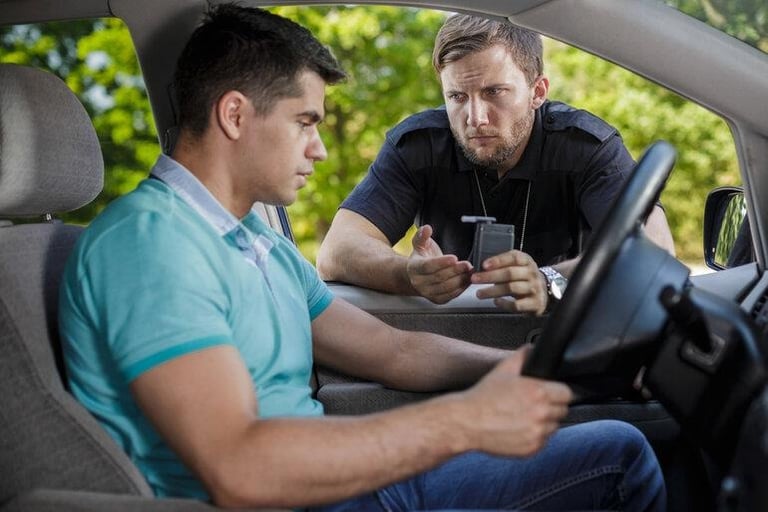
The day has come, and it’s late at night, and you’re coming home from an event that you attended at night. Perhaps you imbibed a few drinks, perhaps you didn’t. One day, you see blue and red flashing in your rear-view mirror. The officer will ask if you have been drinking, and then, the big question: “Will you submit to a breathalyzer?” Is there any reason why you must say yes? Can you refuse? Leaving a drink date with some drinks on your date night will depend on knowing what comes next, particularly if it could have massive, severe consequences should you get pulled over by the cops. Well, what if you say NO? This is a list of questions that every man should have answers to before he gets into this predicament.
Understanding What a Breathalyzer Test Actually Is
A breathalyzer measures your blood alcohol concentration (BAC) by analyzing your breath. These tests are administered by law enforcement to ascertain whether or not you’re driving under the influence. According to the National Highway Traffic Safety Administration, this equipment has become commonplace for officers across the country. However, most men and boys get confused at this point: not all breathalyzer tests are created equal. There is the portable device that officers carry at the roadside, and there’s the larger, more accurate machine at the police station. The legal requirements for each are totally different.
The Legal Reality: You Already Gave Consent
As you signed up for your driver’s license, you agreed to an idea known as “implied consent. By driving on any public road, you’ve agreed to be chemically tested if a police officer has a good reason to think you’re impaired. Implied consent laws exist in all states in the U.S. These laws state that there are responsibilities that go along with the privilege of driving, and one of them is to submit to BAC testing when lawfully arrested for DUI. The NHTSA states that all states have such laws, although some details, such as different penalties for refusal, vary by jurisdiction. Think of it this way: your driver’s license isn’t just a card in your wallet. It’s a contract. And part of that contract says you’ll submit to testing under certain circumstances.
What Happens If You Refuse
But what do you do when you say “no”? The effects of this are more serious than anticipated.
- The first thing is that your driver’s license for advance career will be suspended automatically. In several states, a refusal for the first time will lead to a suspension of up to 1 year, which is sometimes extended to even a longer period of time. This occurs whether or not you are convicted of DUI in the end.
- Secondly, you can be made to look guilty in court if you refuse. Prosecutors will state that you refused because you knew you were intoxicated. You can refuse, but the court can establish your reasons for refusing.
- Thirdly, refusing a breathalyzer test if you are eventually convicted of DUI will result in stiffer penalties. Some states consider refusal to be an aggravating factor when making a decision on the minimum jail sentence or fines.
- You don’t want to miss the legal rights involved in such actions because they are very serious actions.
Santa Ana defense professionals and Other jurisdictions can work to clear up the confusing aftermath of a DUI arrest and a refusal to submit to a chemical test, among other actions, such as contesting an unlawful arrest or poorly conducted chemical testing.
The Pre-Arrest vs. Post-Arrest Difference
Here’s a critical distinction: there’s a huge difference between the portable breathalyzer offered at the roadside before arrest (called a Preliminary Alcohol Screening or PAS test) and the evidentiary breath test given after you’re arrested. Most states will allow the roadside PAS test to be voluntary. You don’t have to accept it without implied consent repercussions. Officers may not tell you this, but the truth is that in many jurisdictions, you don’t have to blow into that handheld device during the initial traffic stop. Once, however, you are arrested and transported to the station, it is a completely different story. Implied consent is the test that must be taken after one has been arrested.
By saying no to this test, a driver’s license is automatically suspended, evidence can be used against them in court, and penalties can be made more severe. A pre-arrest test may even be detrimental. The results can be used as evidence even if not at the legal limit. But the devices are not necessarily accurate, and some food or medical conditions can impact results. When a person is aware of these restrictions, if they have engaged in any drinking on a date, they can take steps and precautions to ensure their safety and seek legal advice if they have any questions regarding their reading.
Know Your Rights Before You Need Them
It’s not when you hear the flashing lights that you want to learn about the breathalyzer laws. State laws are different, and there are state exceptions, penalties, and rules. The short answer is that you can refuse to take one, but your refusal will have huge ramifications from the moment you refuse to take one. Not a pass to get out of any jams.
Understands what your legal rights are, what will happen if you refuse a test, and the difference between voluntary and compulsory testing. More importantly, it may prevent you from being in the situation in the first place by making better decisions on when you’re fit to drive. Safe rides home after alcoholic consumption on dates will not only keep you safe, but it will also keep the wealthy trust that good relationships rely upon.


Comments 0
No Readers' Pick yet.