








What Are Dual-Zone Ductless AC Systems, and When Do Homes Actually Need Them

 Story by:
Home Improvement and DIY Blog
Story by:
Home Improvement and DIY Blog
Have you ever been in your house and felt that one of your rooms is always cool and the other feels stuffy, chilly, or overheated? That is a typical problem in numerous families. The old HVAC systems tried to regulate the whole house through a single thermostat, which usually made some places feel unregulated to your comfort requirements. Dual-zone systems are smarter in ductless systems. They enable various rooms of your house to have their own optimal temperatures without requiring conventional ducting. This renders them especially useful in older houses, extensions, or any other area where the installation or renovation of ducts would be expensive or inconvenient to set up.
The development of a space that makes each room welcoming is what people search for in dating. As the home enjoys the company of space where the individual preferences are taken into consideration, so too are the relationships where both of the involved parties feel at ease, appreciated, and understood. The microclimate of a home with unequal temperatures can affect the mood and energy levels insidiously, in the same way as minor additions in dating that may determine a bond and chemistry. By investing in a system that feels comfortable in all parts of the home, this helps to make the whole place enjoyable to everyone involved, making even the daily encounters of the people effortless and pleasurable, as the approach to dating should be to create harmony and ease between two individuals.
Understanding How Dual-Zone Ductless AC Systems Actually Work
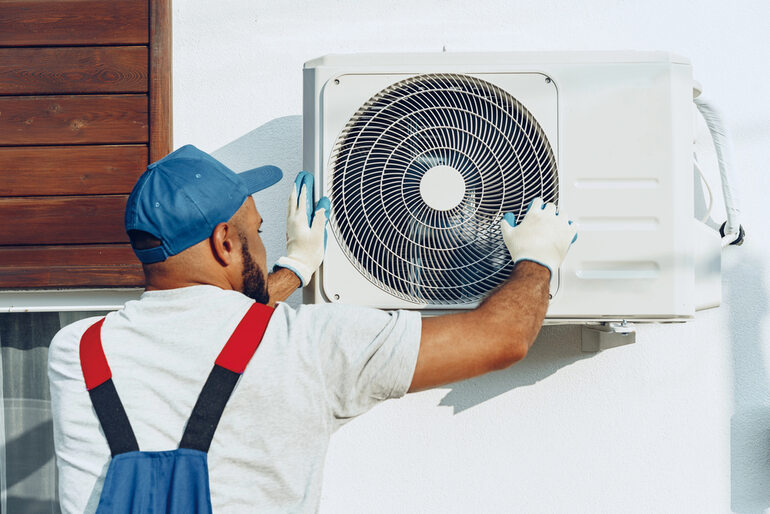
Dual-zone ductless mini-splits… They rely on two indoor air-handling units that are connected to a single outdoor condenser. Each zone of your home gets its own temperature setting. Instead of adjusting your entire home’s temperature from one thermostat, you control each zone separately. Therefore, you can keep one area cool and another warm. These systems work without ducts, which eliminates the typical energy losses that occur when conditioned air travels through long duct runs. They use inverter-driven compressors, thus allowing the system to operate at variable speeds.
When A Dual-Zone System Solves Problems
Not every home needs a dual-zone ductless system. But certain situations benefit tremendously from zoned temperature control. The biggest advantage comes from addressing areas where a traditional single-thermostat system simply cannot keep up.
Hot And Cold Spots
Many properties struggle to maintain even temperatures, such as two-story homes, open-concept layouts, and properties with south-facing rooms.
That’s because:
- Heat rises.
- Sunlight warms individual rooms.
With a dual-zone ductless system, each space can receive personalized conditioning.
Homes Without Existing Ductwork
Older homes often rely on:
- Radiators.
- Baseboard heaters.
- Window units.
Adding full ductwork can require major (and costly!) renovation. Dual-zone ductless systems provide modern comfort without tearing into walls or building soffits to hide ducts.
Additions And Conversions
Newly finished basements, garage conversions, attic remodels, or sunrooms often fall outside the reach of existing HVAC systems. Running ducts to these new areas could potentially overwhelm the current system. A dual-zone ductless configuration gives these spaces dedicated heating and cooling, whilst also offering an additional zone for another area of the home.
Here is a quick look at when you typically should consider a dual-zone system:
- You need separate temperature control for different rooms.
- You want modern comfort without installing costly ducts.
- You added or renovated a living space and need targeted conditioning.
Zone-specific control is one of the main reasons homeowners switch to ductless systems.
The Hidden Factors That Determine Even if You Actually Need One
It is not hard to suppose that a dual-zone system can eliminate all the problems with comfort. However, in many cases, the cause of the issue is in the available HVAC design, air circulation or insulation of a home.
The Performance Of Your Existing HVAC System.
The causes of many comfort challenges are found in:
- Ineffectively constructed duct systems.
- Blocked vents
- Aging equipment
Homeowners will often be in a hurry to install a ductless system without even discovering easier problems, such as leaks or limitations of airflow. It is worthwhile to have a review of your existing system so that the solution becomes equal to the actual issue.
This is similar to dating in a small manner. When one knows the dynamics behind relationships and does not focus on quick solutions, the relationships prosper. Smaller problems can be tackled at the very beginning to ensure that you do not end up having much more to complain about in the future. With the understanding of what actually needs to be paid attention to, your house and your relationships are able to be balanced, welcoming, and actually comfortable.
Why Some Homeowners Prefer Dual-Zone Setups
Even when a home’s HVAC system is technically working, many homeowners prefer the improved flexibility offered by ductless dual zone AC systems. After all, they allow households to tailor temperatures to daily routines and preferences. One person may like a cooler bedroom at night, for instance, whilst someone else might prefer a warmer living room.
Room Usage Throughout The Day
Homes where certain rooms are used at different times benefit heavily from zoned conditioning. A home office might need cooling throughout the day, for instance, while an attic that is mostly used just now and then for a game night with your friends might only need attention during occasional evenings. So, you can cool or heat just the rooms that are in use.
Efficiency And Long-Term Operation
Ductless systems shine when operating at partial load, as they use only the amount of energy required to meet current needs.
How Dual-Zone Systems Compare To Other Cooling Options
Dual-zone ductless systems offer advantages over window units, portable ACs, expanded ductwork, and even single-zone mini-splits.
Dual-Zone Systems Versus Window Or Portable Units
Yes, window and portable units offer quick solutions – but they fall short in efficiency, noise control, aesthetics, and overall comfort. They also cannot provide year-round heating the way mini-splits can.
Dual-Zone Systems Versus Expanding Your Central AC
Extending ducts can be pretty costly. And the existing system may not have enough capacity to handle additional rooms.
Ductless systems avoid the need for:
- System upgrades.
- Duct redesigns.
Dual-Zone Systems Versus Single-Zone Mini-Splits
Yes, single-zone units work well for individual rooms – but using two separate single-zone systems is usually less efficient. Plus, it’s typically more expensive than installing one dual-zone system with a shared outdoor unit.
So… Does Your Home Actually Need A Dual-Zone Ductless Ac System?
A dual-zone ductless system would be ideal if hot spots and cold spots are making your life miserable, you have added additional living space, or you need to control room temperatures to specific levels. Feeling comfortable in your own home will impact the way you feel and how you relate to others; likewise, it will do the same in a romantic relationship. Surrounding yourself with conditions that can facilitate your well being make the interactions easier, fun, and well-being.
It is possible to make the environment comfortable for all, both in various rooms of a house and when having some experience together, which will help to raise the mood, relieve stress, and establish a sense of connection. When a house is well-balanced in comfort that pervades its areas, it promotes easier, more harmonious living, which is just as much as considerate care of comfort and insight yields healthier relationships.



Comments 0
No Readers' Pick yet.